

Si bien el cultivo a partir de semillas es una forma económica de cultivar y un reto gratificante para los cultivadores experimentados, no todas las plantas deben cultivarse a partir de semillas.. Ya sea por las bajas tasas de éxito, el alto coste o el tiempo que requiere, las razones para no empezar desde la semilla son consideraciones importantes para el éxito y el disfrute de la temporada de cultivo.
Aquí tienes 5 plantas que es mejor conseguir como plántulas que empezar desde la semilla.
1. Menta
Quizás no te convenga empezar desde semillas, ya que la menta puede tardar en germinar y no siempre reproduce fielmente las características de la variedad. Esto significa que la planta que cultives podría no tener el mismo sabor ni aroma que la variedad indicada en el paquete de semillas.
En su lugar, compra una planta o toma un esqueje, ya que se propaga fácilmente. La menta es una de las hierbas más fáciles de propagar: simplemente coloca un esqueje en un vaso de agua hasta que se formen raíces y luego trasplántalo. Asegúrate de cultivar la menta en su propio recipiente para que no invada todo el espacio de cultivo.


2. Romero
El romero puede tardar mucho en germinar (semanas o incluso meses) y su tasa de éxito es muy baja. Incluso en condiciones ideales, la tasa de germinación puede ser tan baja como el 30%, lo que hace que cultivarlo a partir de semillas sea una tarea frustrante y costosa.
En su lugar, recomendamos comprar una planta pequeña o propagarla a partir de un arbusto de romero de un amigo. Para propagarla, corte un esqueje de 10 a 15 cm de un tallo sano, retire las hojas inferiores y colóquelo en tierra húmeda para macetas hasta que desarrolle raíces.
El clima de Colorado es demasiado frío para que la mayoría de las variedades sobrevivan al invierno al aire libre, por lo que también recomendamos cultivarlas en una maceta para poder meterlas en casa durante el invierno.
3. Ajo
Las semillas de ajo se utilizan con poca frecuencia y pueden tardar años en formar bulbos. Cultivar a partir de semillas es un compromiso a largo plazo que la mayoría de los jardineros aficionados simplemente no necesitan asumir.
En cambio, compra los bulbos o dientes individuales en otoño para plantarlos y cosecharlos el verano siguiente. En la Cordillera Frontal de Colorado, procura plantar ajo en septiembre u octubre, antes de que se congele el suelo. ¡Un solo bulbo puede proporcionar luz a varias plantas en tu jardín!


4. Papas
Las semillas de patata auténticas no producen cosechas consistentes y pueden introducir enfermedades o dar resultados impredecibles. En su lugar, utilice patatas de siembra certificadas o patatas germinadas para aumentar su producción. Las patatas de siembra certificadas están libres de enfermedades y garantizan la producción, lo que ofrece a los jardineros principiantes muchas más posibilidades de éxito. Son cultivos fáciles de cultivar para principiantes que producen cosechas abundantes. ¡Incluso un pequeño contenedor o bolsa de cultivo puede producir varios kilos de patatas!
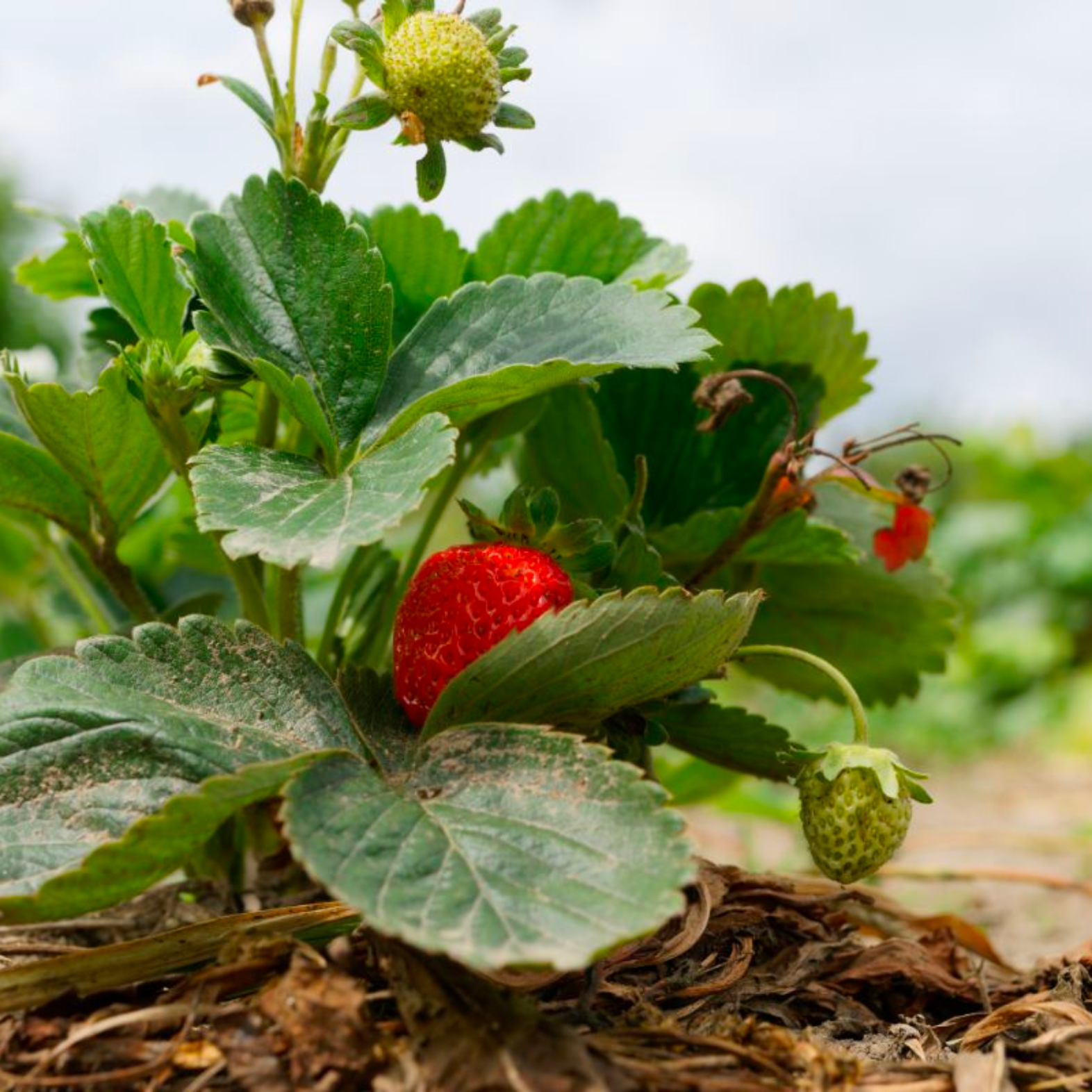
5. Fresas
Las semillas de fresa tardan en germinar y es posible que no produzcan frutos el primer año. Además, cultivarlas a partir de semillas requiere un largo periodo de crecimiento en interiores y condiciones precisas, lo que las convierte en una de las frutas más difíciles de cultivar de esta manera.
En su lugar, compra plantones o usa estolones para obtener tu deliciosa fruta. Los estolones son los tallos largos y horizontales que las fresas maduras desarrollan naturalmente, los cuales se pueden fijar a la tierra o a una maceta nueva para que echen raíces y se conviertan en una planta completa, ¡totalmente gratis! Son ideales para espacios pequeños (como balcones o patios) y crecen bien en macetas.

Cultivar semillas puede ser una excelente manera de mejorar tus habilidades y ahorrar dinero en jardinería. Sin embargo, especialmente para los jardineros principiantes, elegir las plantas adecuadas para cultivar a partir de semillas o trasplantarlas puede marcar la diferencia entre una temporada frustrante y una exitosa. Empezar poco a poco y con métodos sencillos puede ser una excelente manera de adentrarse en el mundo del cultivo de alimentos.
¡Explora los recursos digitales de DUG, diseñados específicamente para la jardinería orgánica en la región de Front Range de Colorado, y obtén consejos de jardinería!

