
Food Forestry Training Program
Applications for the 2026 program are closed.
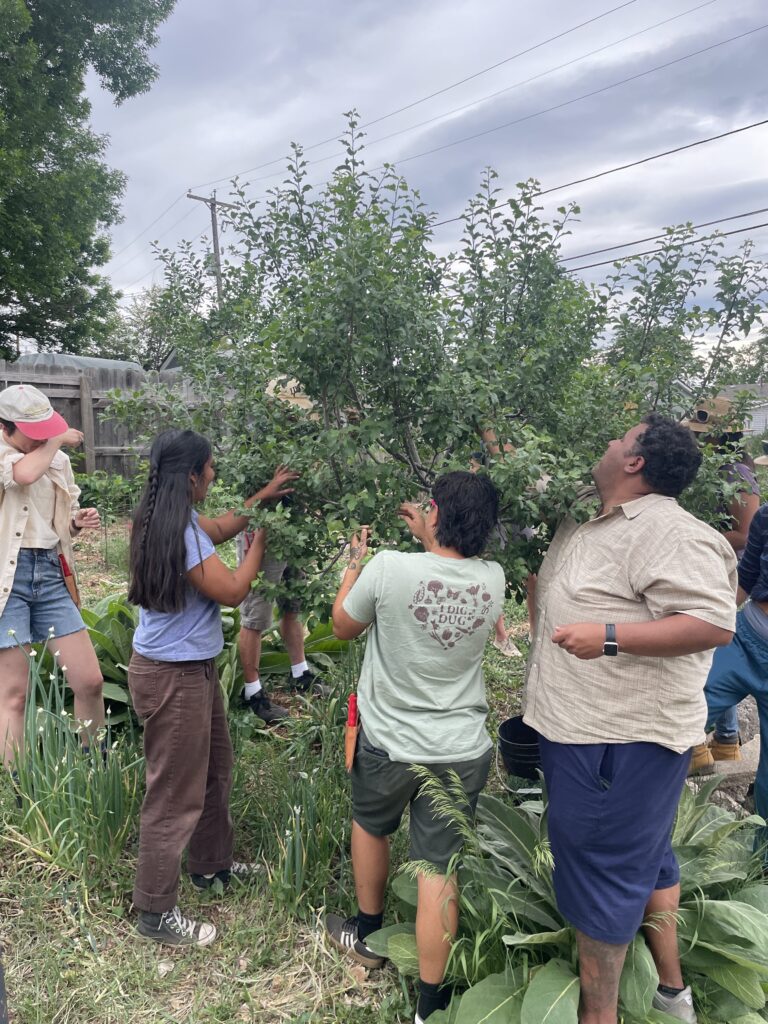
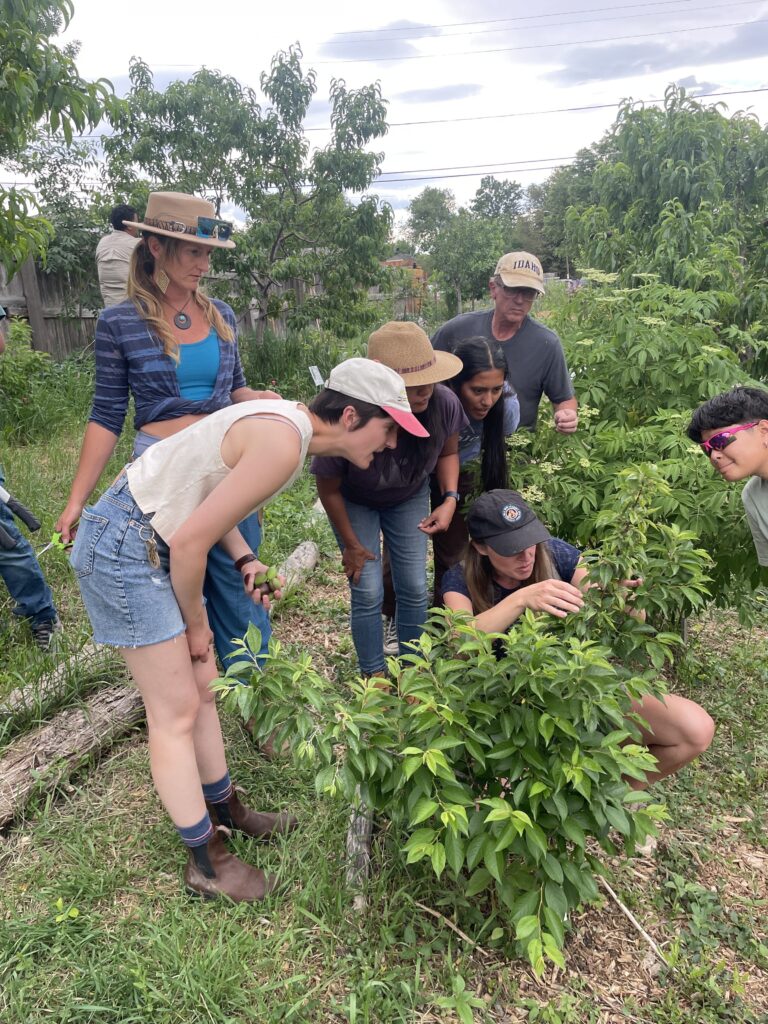
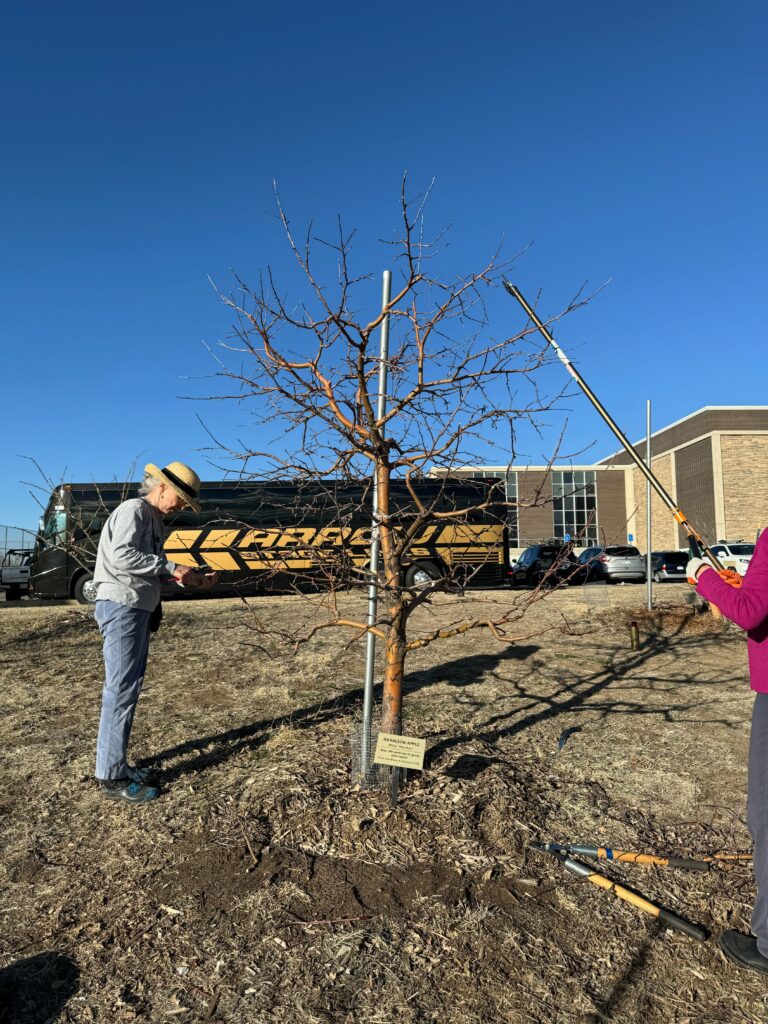
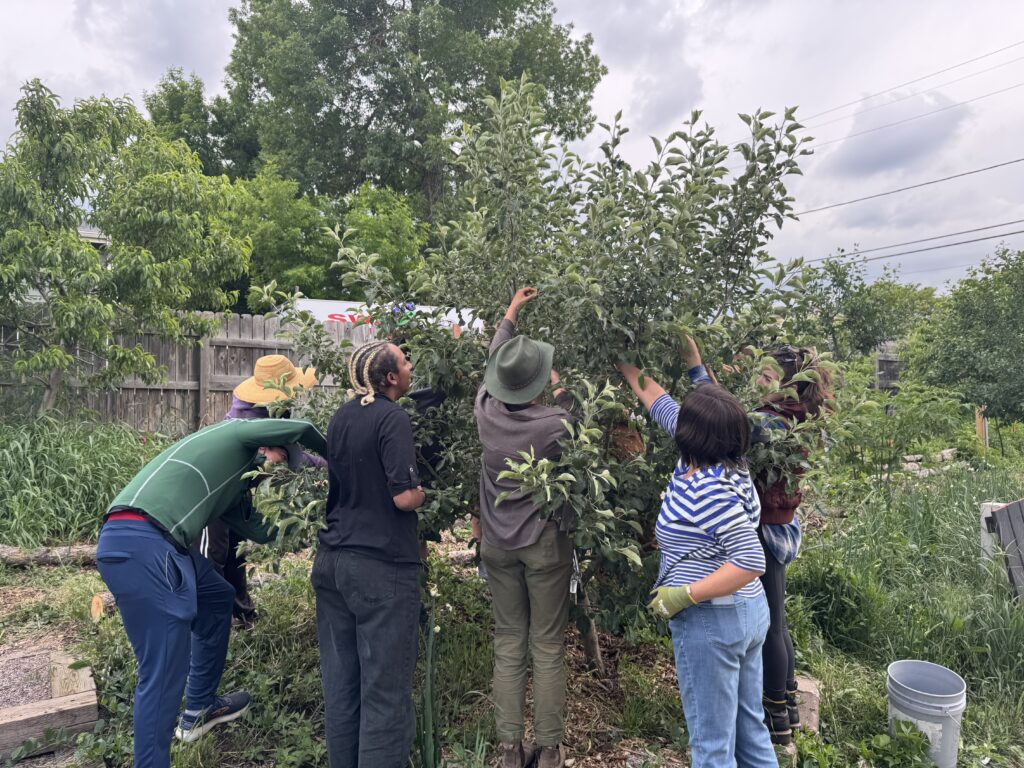
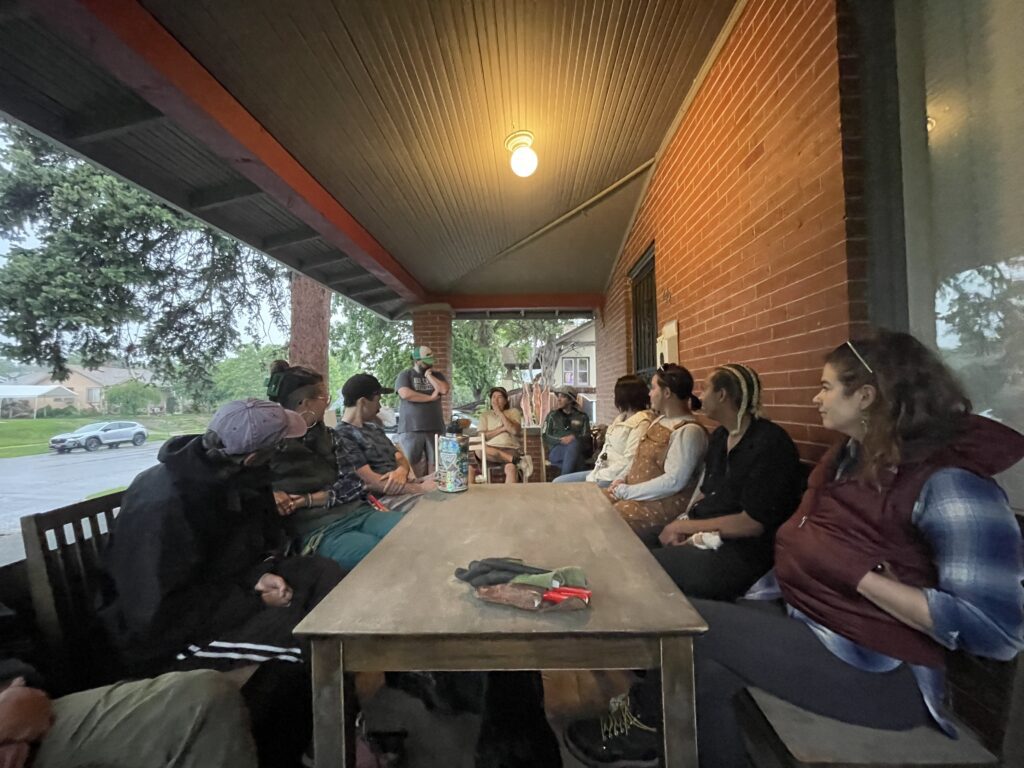
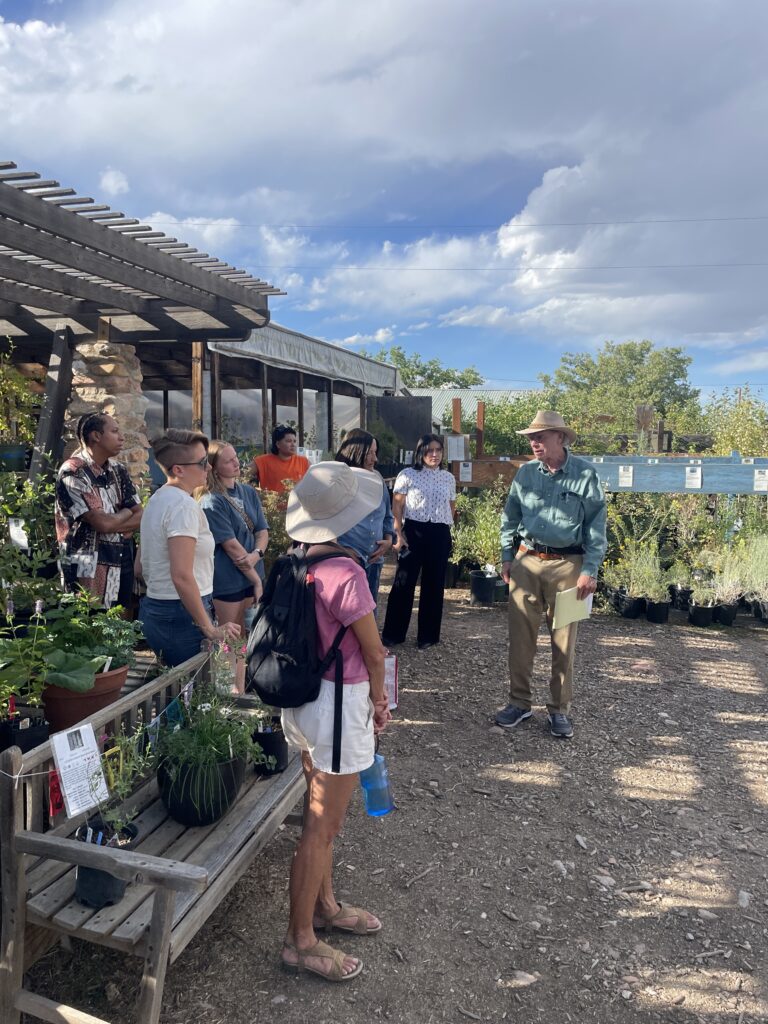
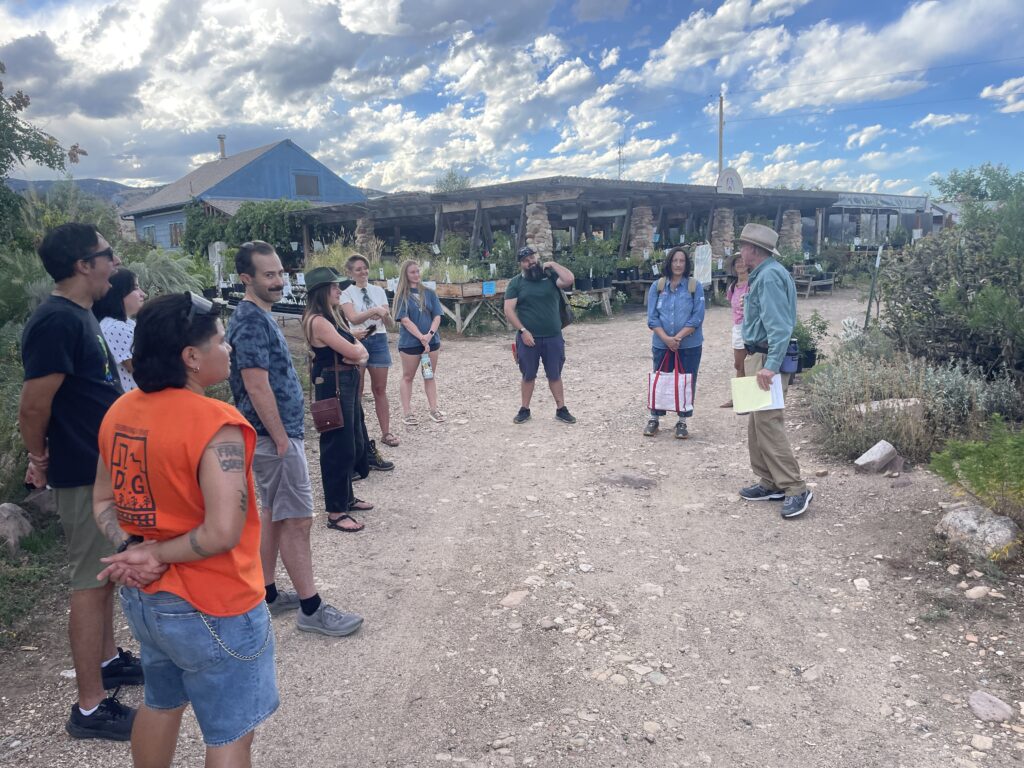
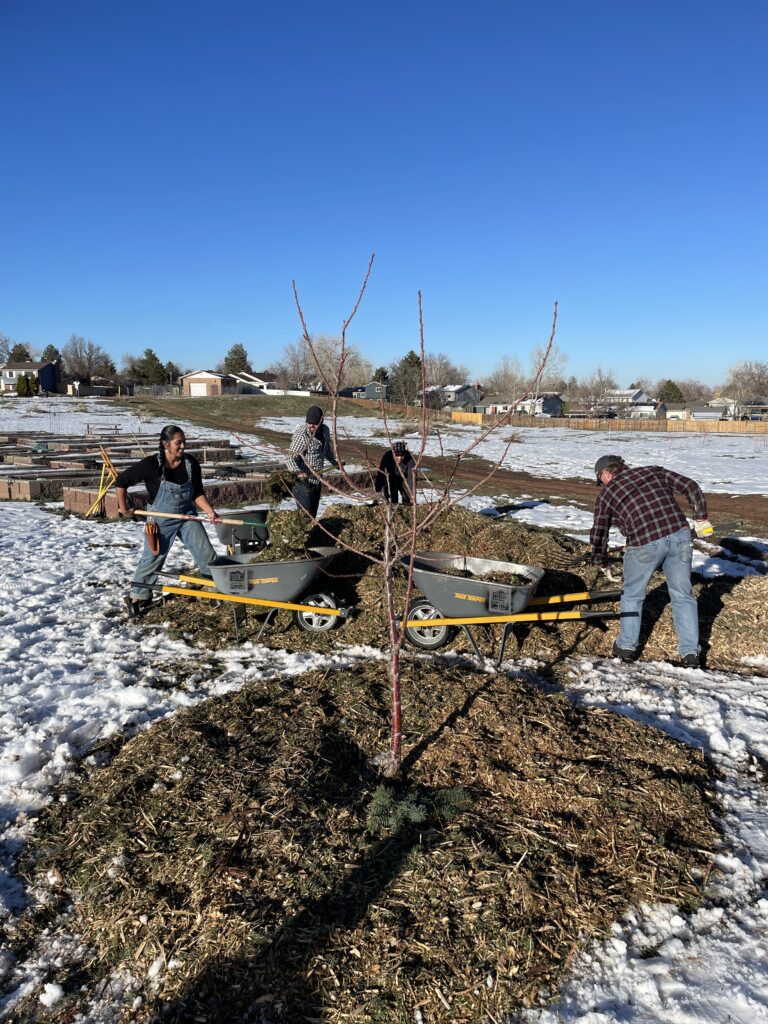
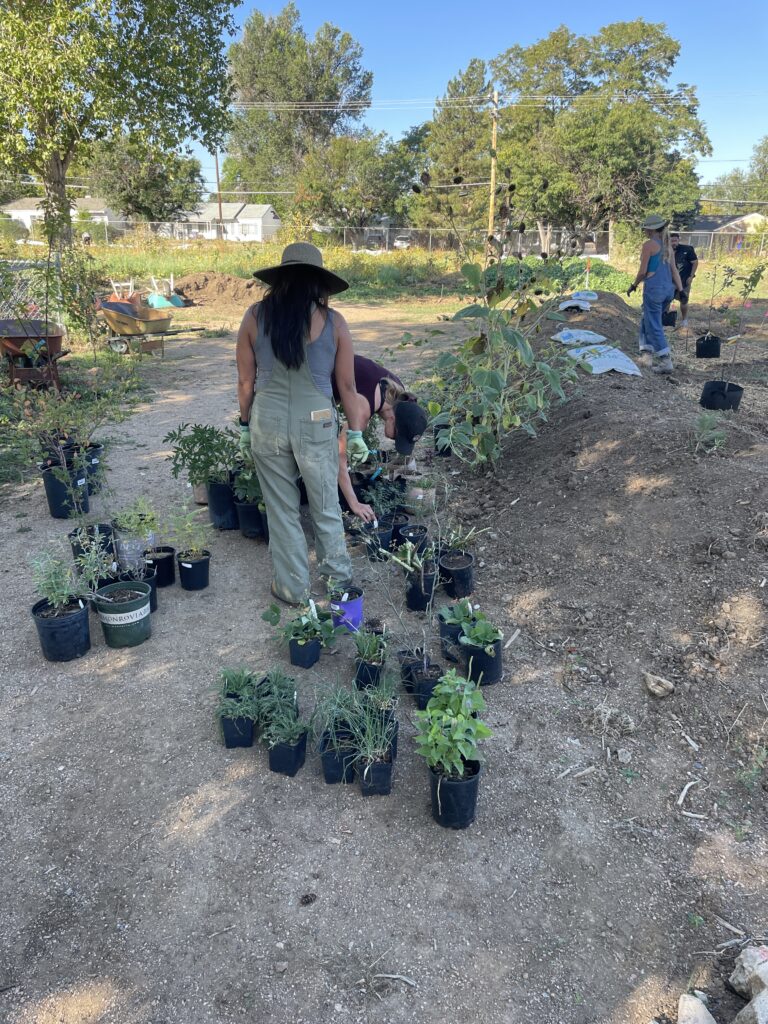
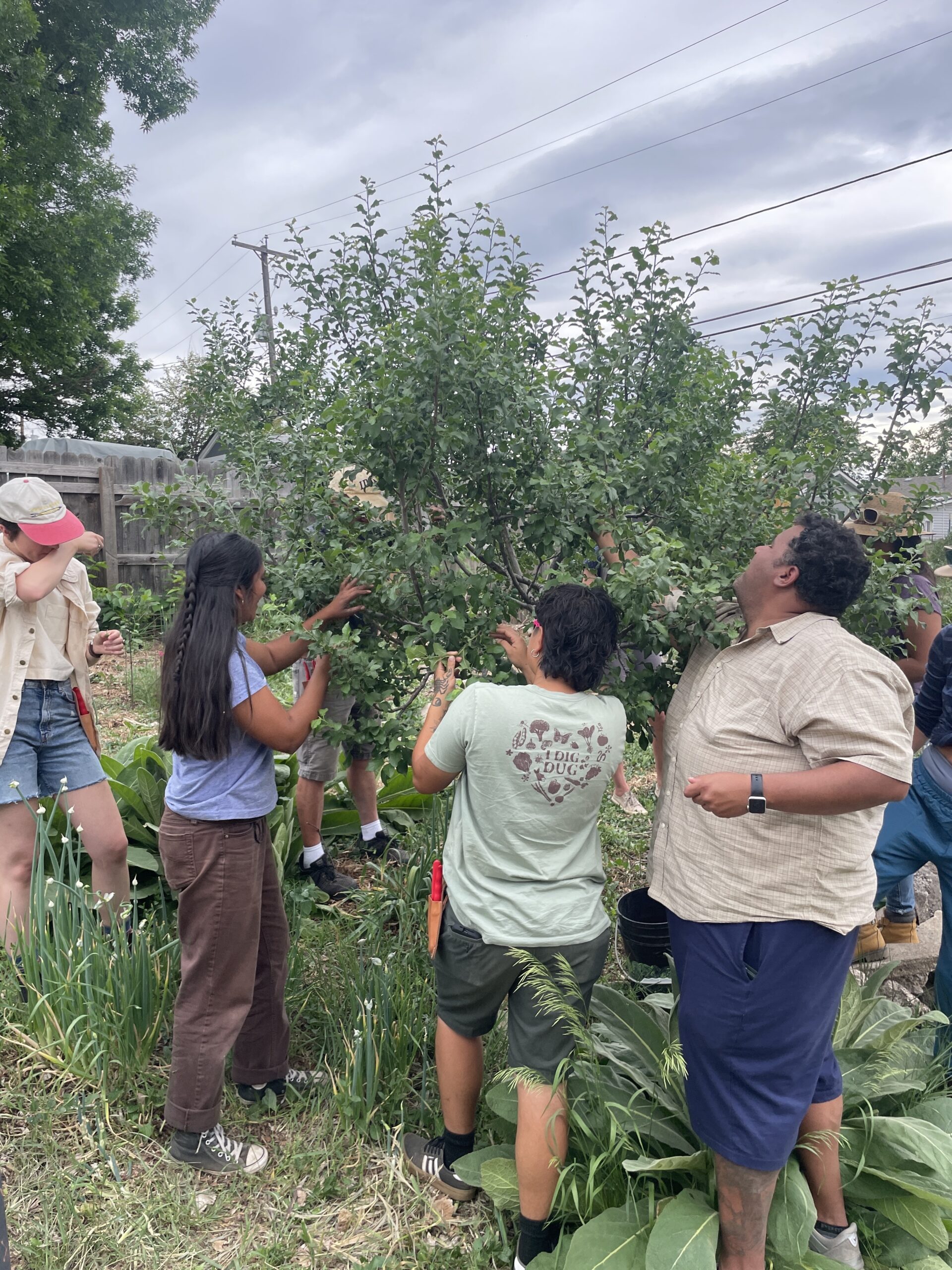
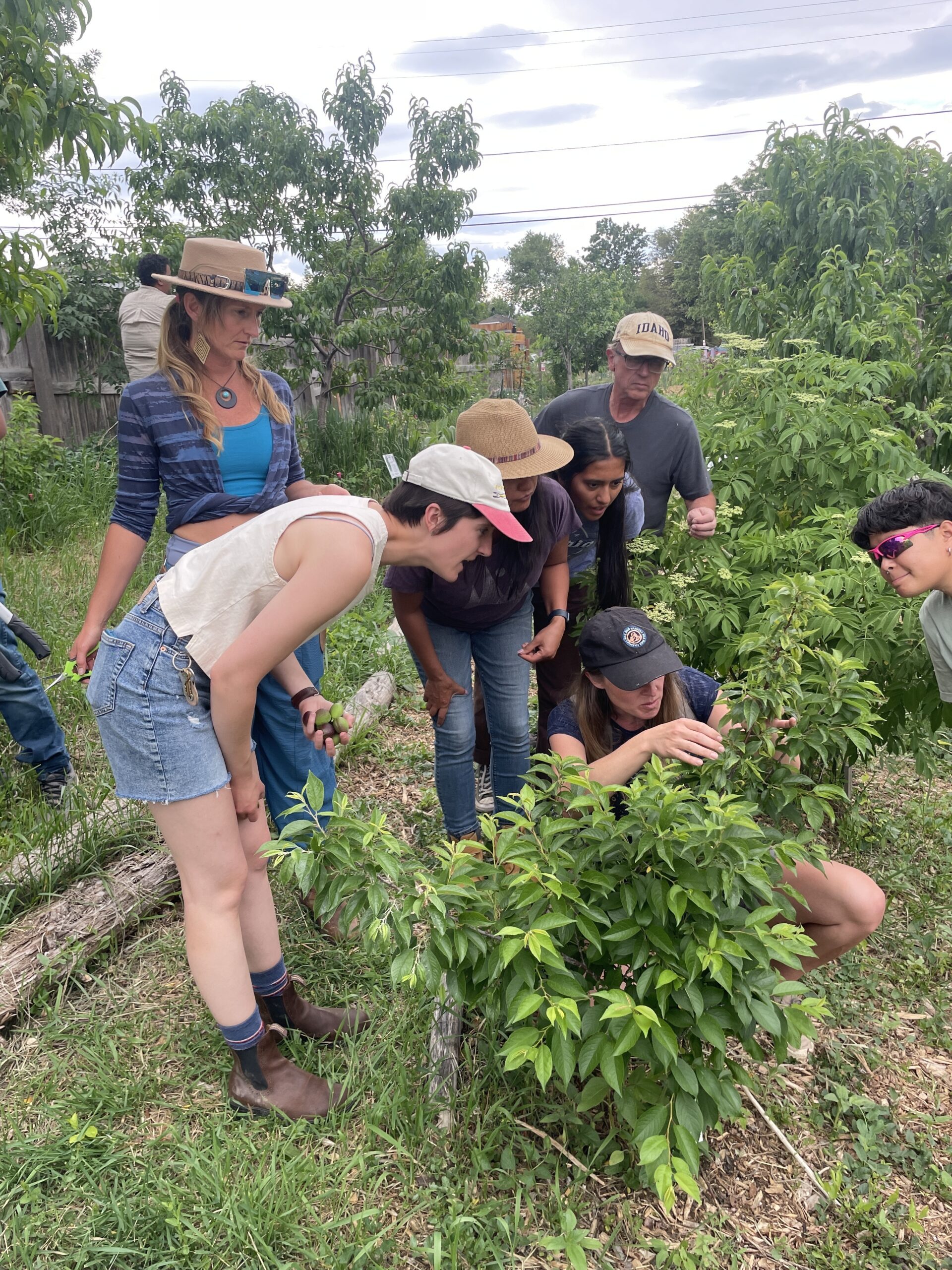
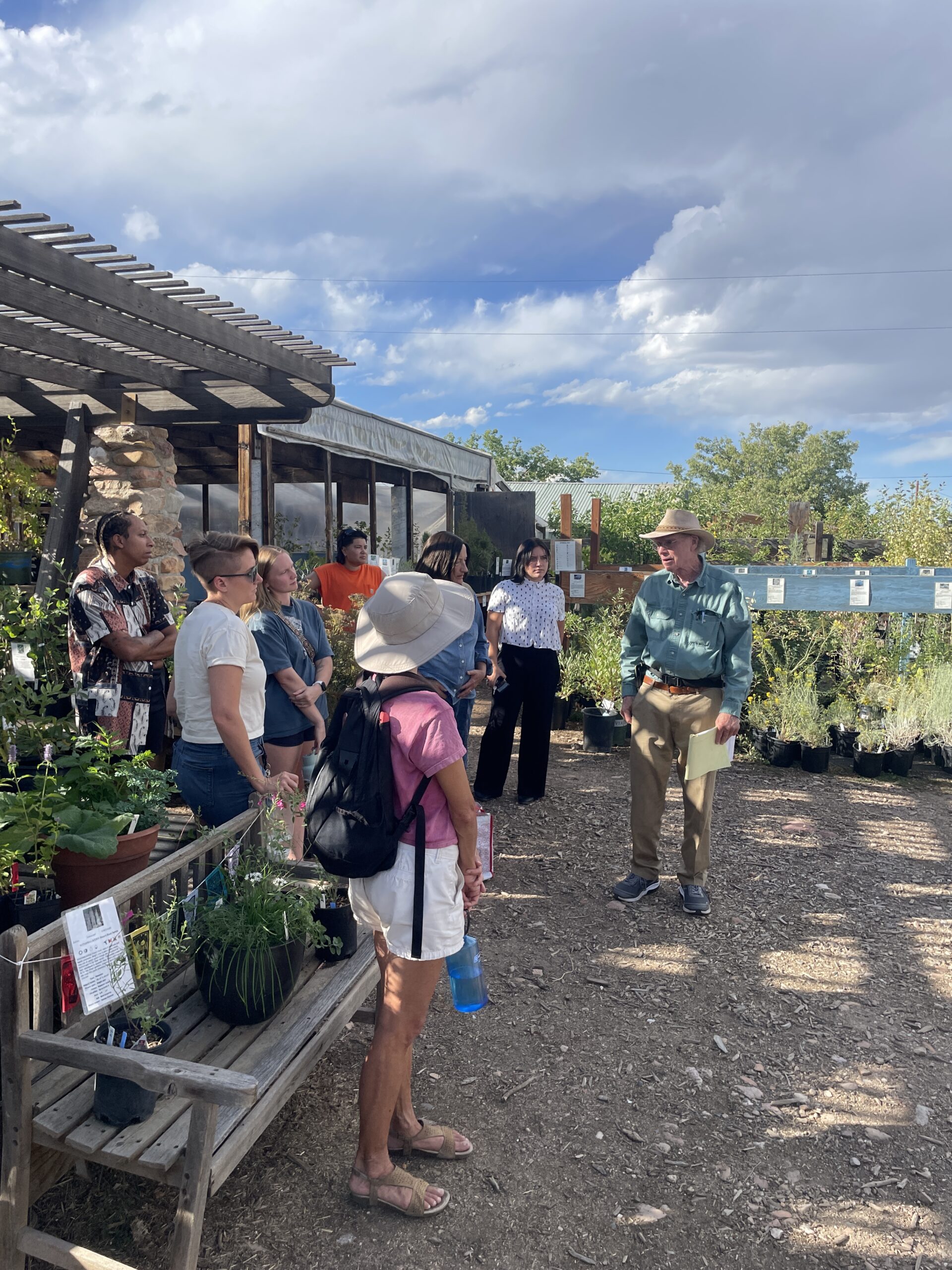
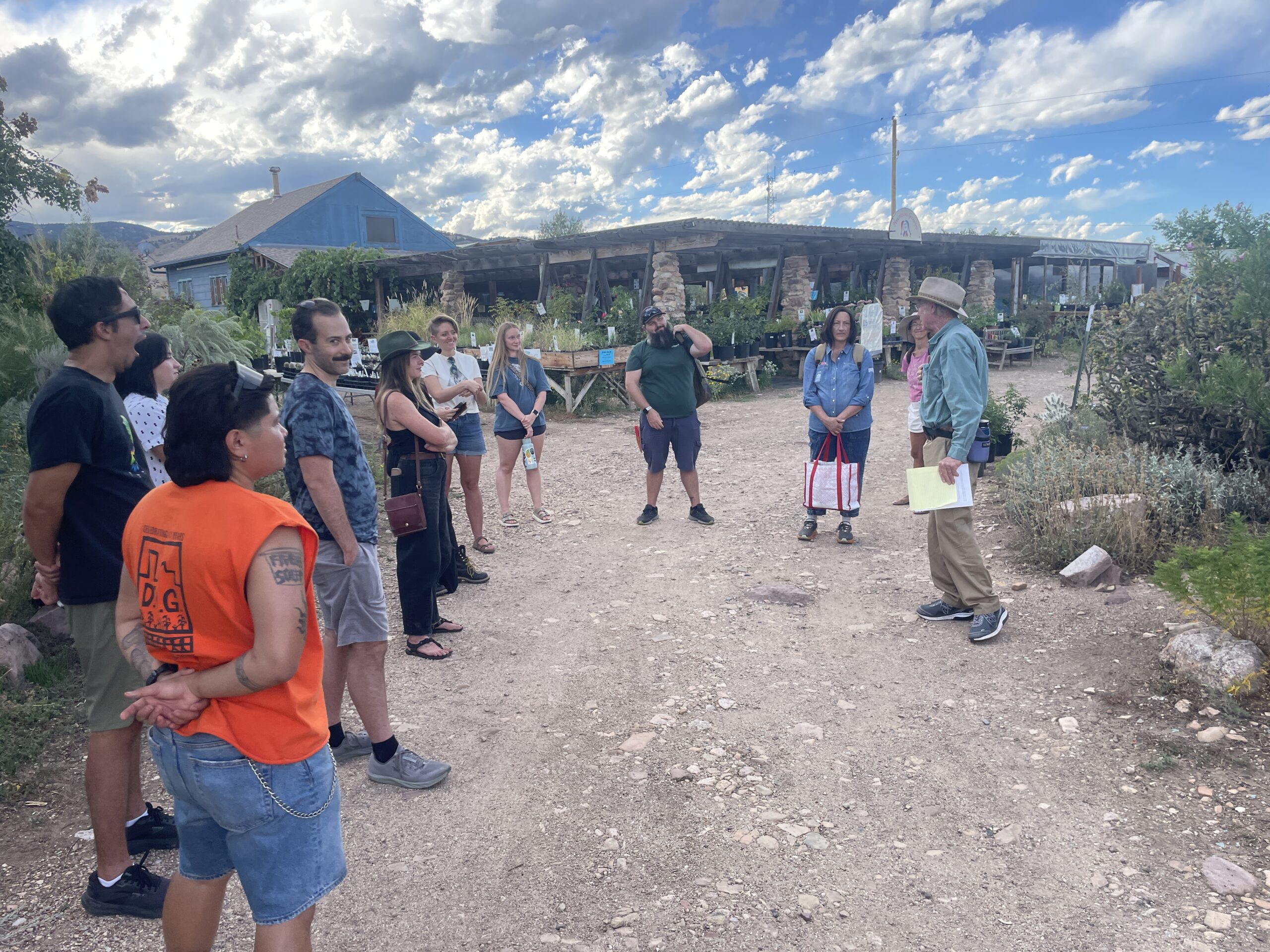
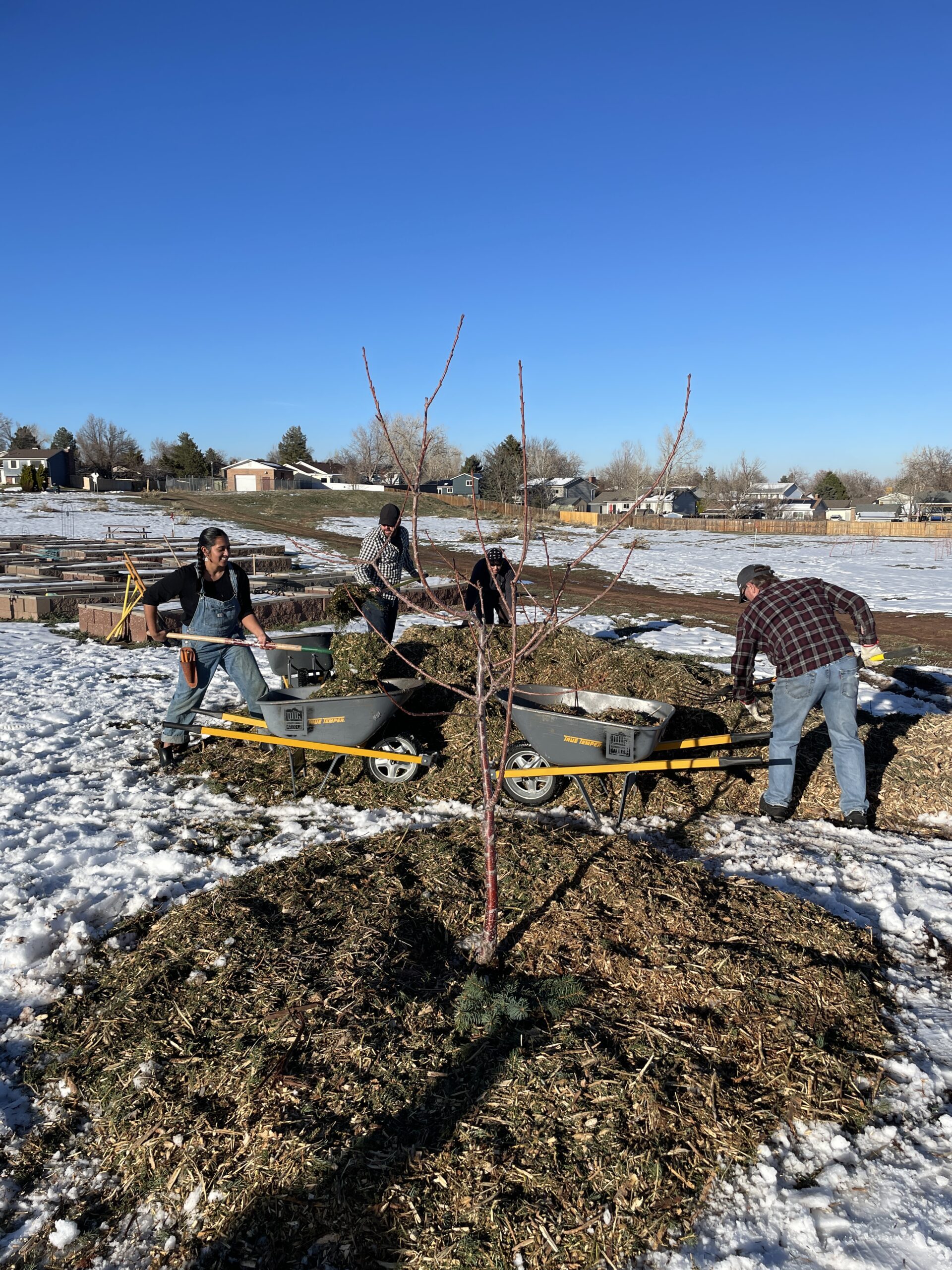
The Food Forestry Training Program equips participants with the technical knowledge, practical skills, and hands-on experience necessary to design, implement, and sustain productive food forests tailored to Colorado’s climate. Through a structured curriculum and hands-on fieldwork, participants build competency in fruit tree and perennial care, ecological site analysis, climate-appropriate plant selection, and dryland establishment techniques. The program prepares a new generation of urban land stewards who can create resilient edible ecosystems that strengthen local food security and support long-term community well-being.
Who should enroll
Perennial Advocates
People with a specific interest in perennial plants management–not just gardening in general
Forestry Workers
Preference given to those who might make this their livelihood or who want to be community leaders


What You’ll Learn
Participants will gain practical skills in:
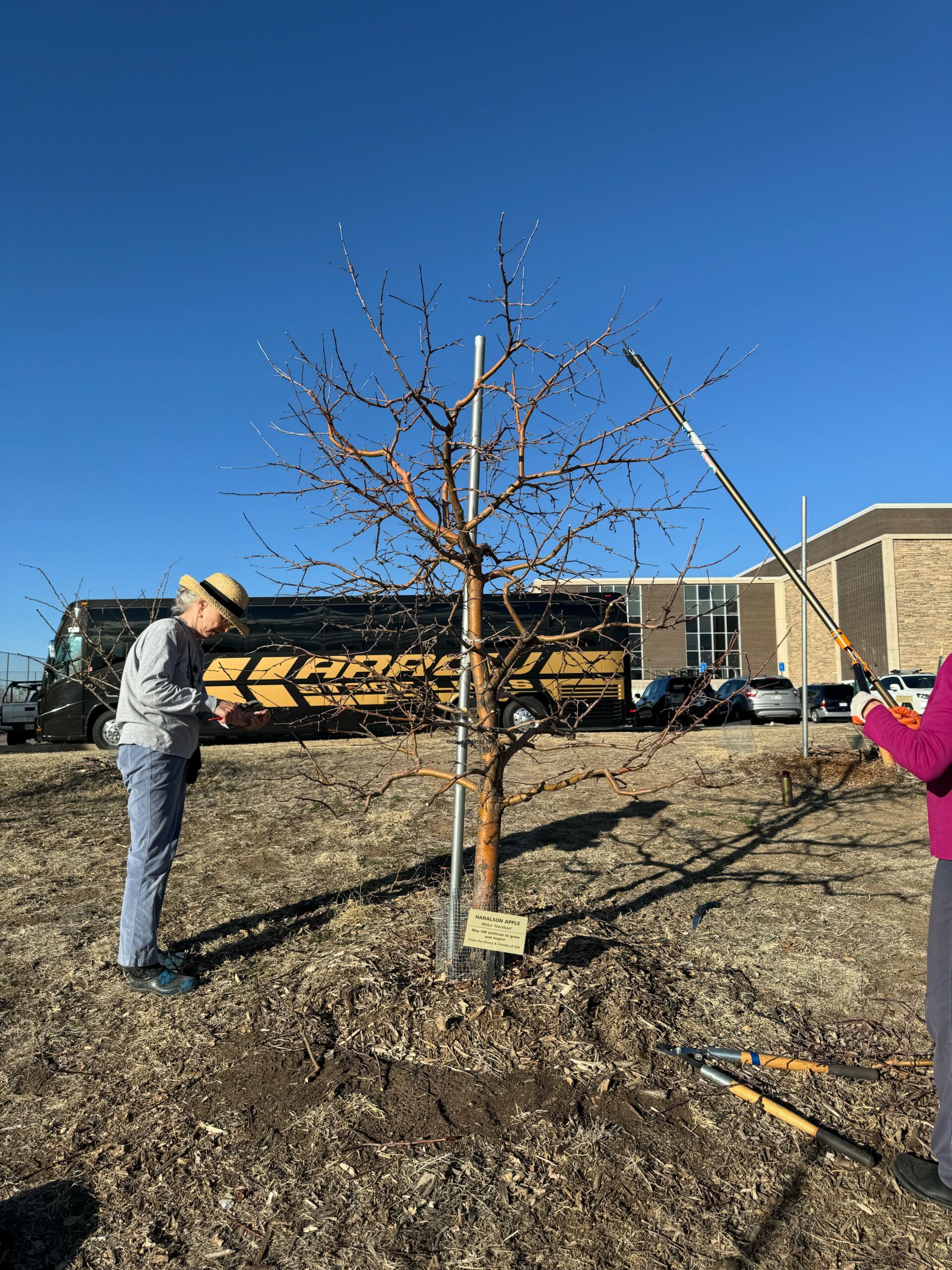
- Basic operational knowledge for pruning young and mature fruit trees
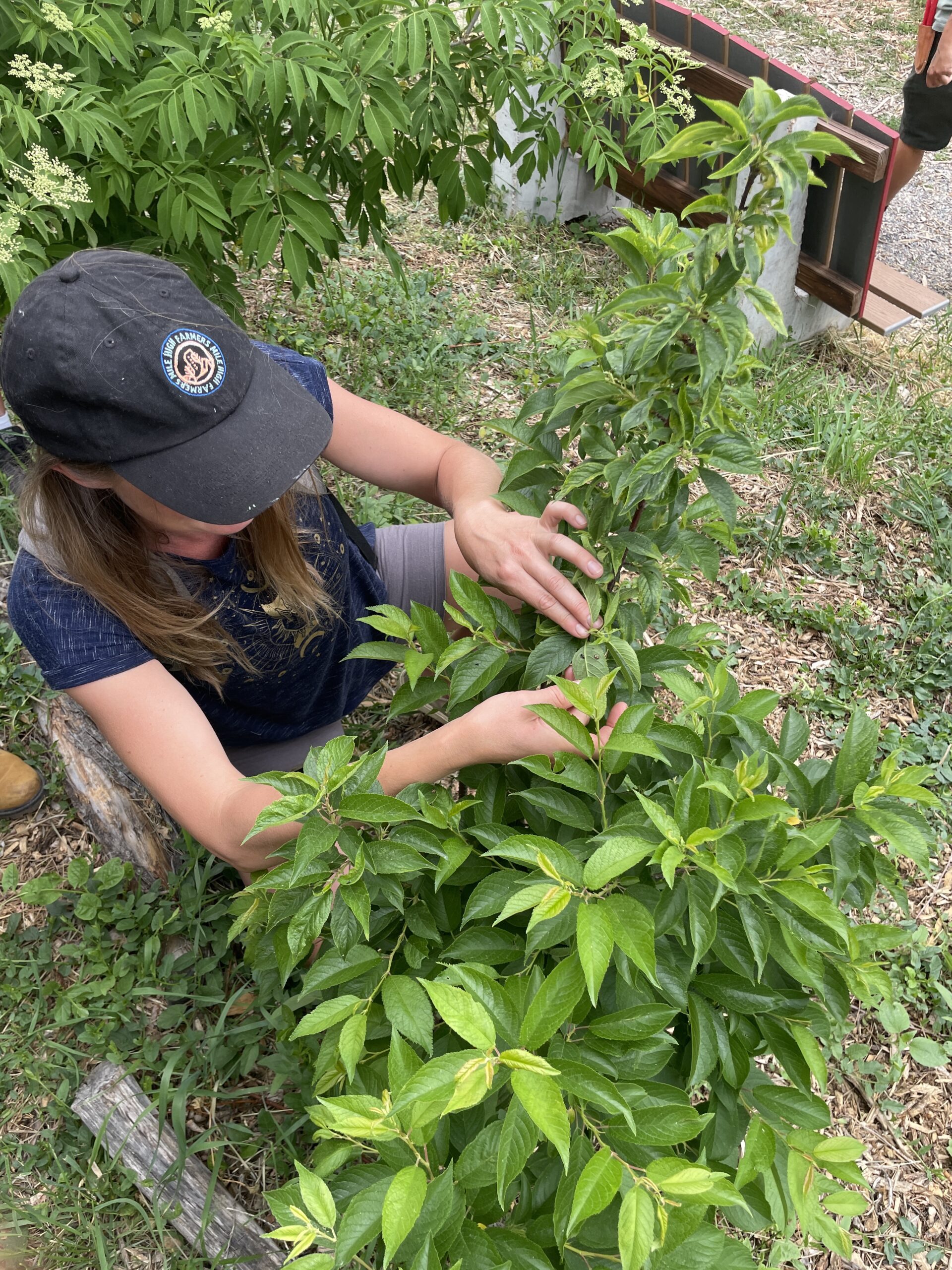
- Be able to identify major fruit and nut trees, as well as a variety of edible bushes and shrubs
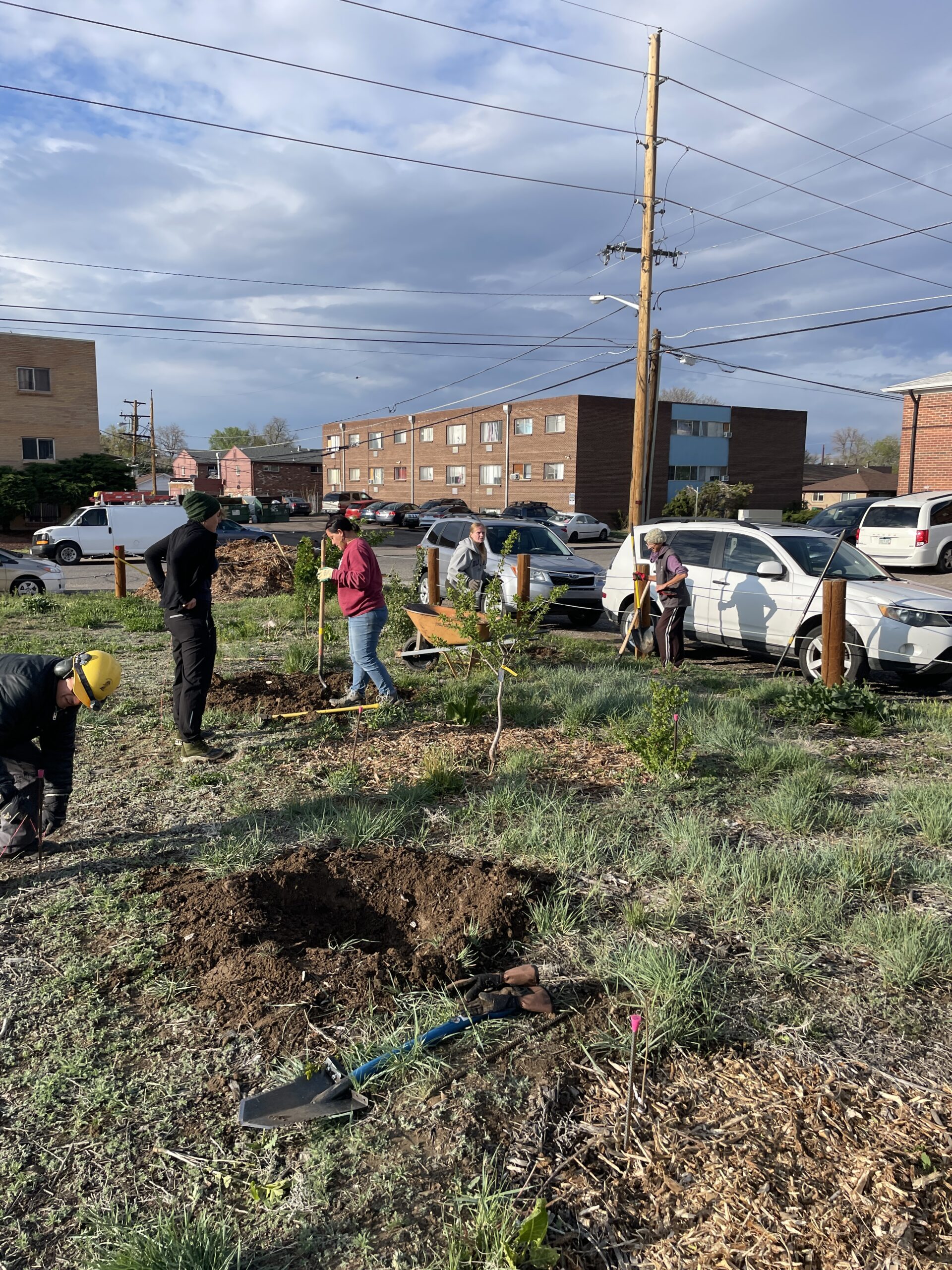
- Best practices for planting trees, shrubs, and herbaceous perennials
- Understand how to select planting sites and how to shape landform to direct and hold water
- Become familiar with a variety of techniques for soil stabilization and improvement
- Know how to pot up bare-root trees and run a simple perennial nursery
- Become familiar with the full set of necessary tools and how to care for them
Depending on cohort needs, interest, and seasonal conditions, participants may also gain experience in:
- Grafting and propagation expertise
- Comfort with compost tea and holistic spray applications
- Design and installation of simple drip irrigation systems
- Learn best practices for site design
- Comfort and expertise with pruning across a wide variety of plants
- Trellis design and construction
”This course was an excellent dive into understanding fruit tree growth, site planning, and maintenance. Conversations shared between our teachers and co-learners were valuable on topics within and beyond the scope of the course.
Program Participant
Program Schedule
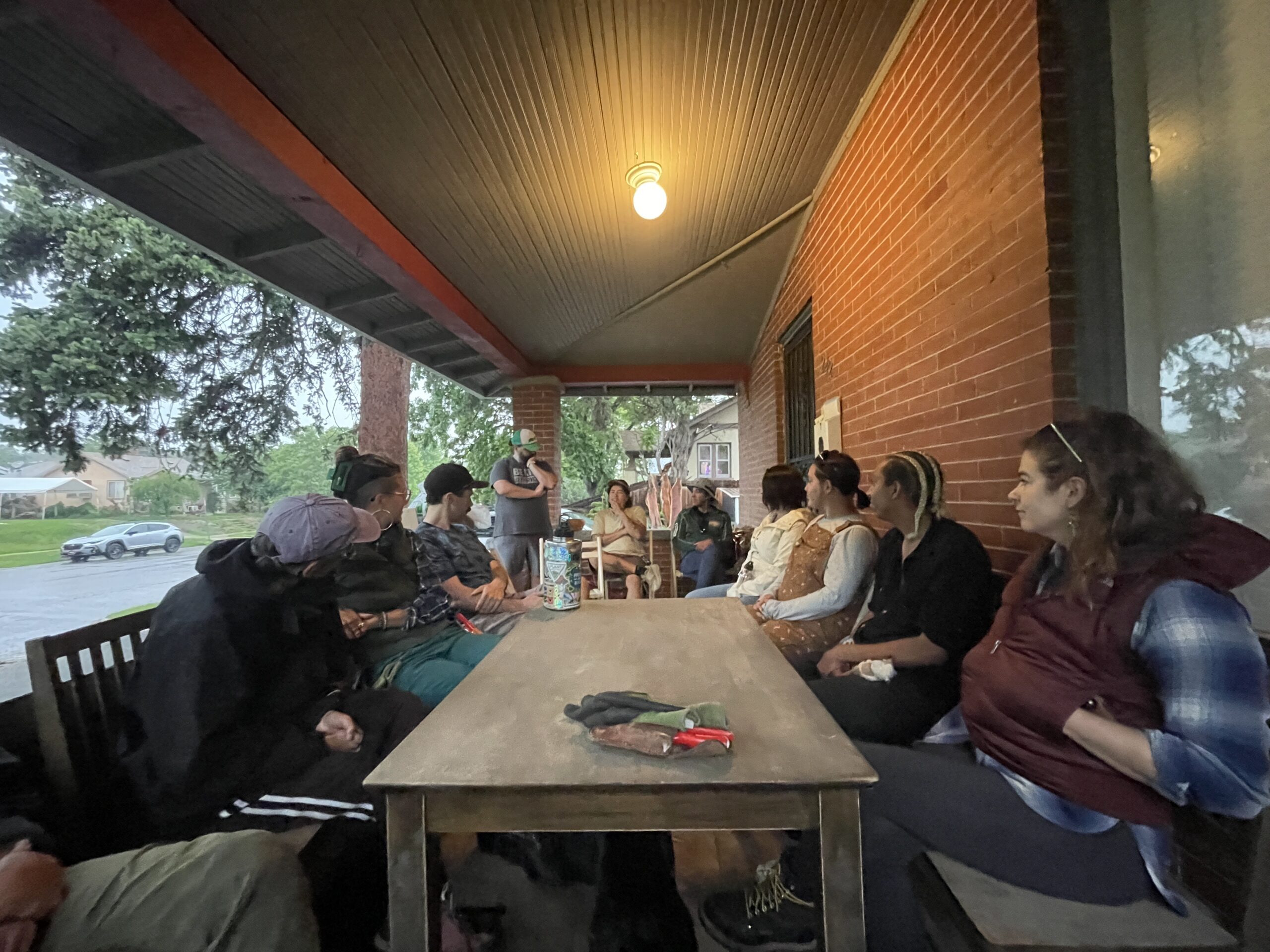
Regular class sessions take place on Wednesdays from 4:30–7:30 PM. Additional optional field trips may be organized based on cohort interest and availability.
Practicum Experience
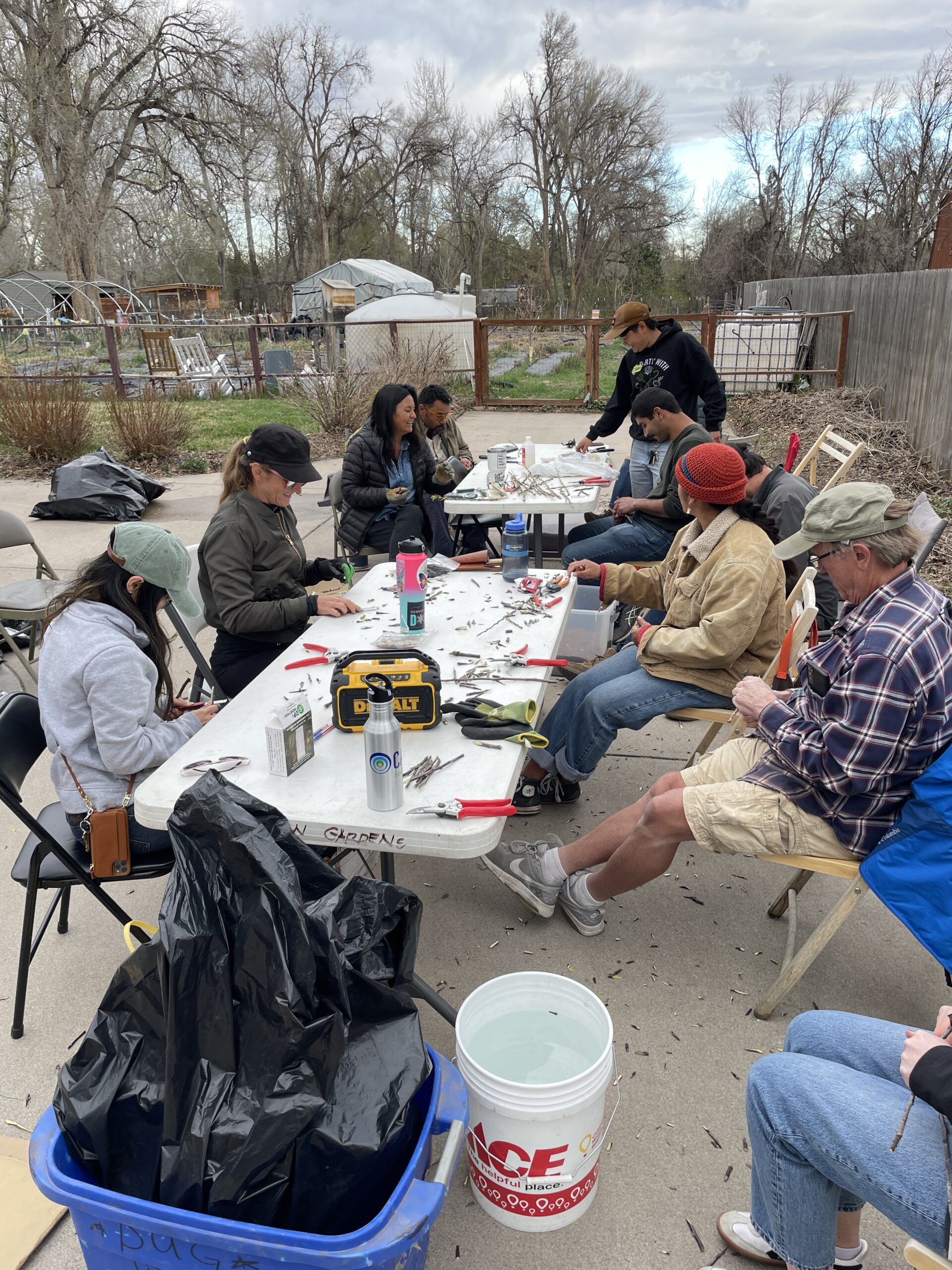
Each participant will be matched with a DUG food forest practicum site, where they will spend 5–10 hours per month supporting seasonal work alongside site Tree Keepers. Participants will complete a practicum project at their site by year’s end.
In addition, cohort members will assist with organizing and labeling DUG’s spring nursery stock—a valuable opportunity to deepen familiarity with perennial species and propagation materials. Scheduling for nursery support will take place outside of regular class hours.
Climate, Context, Vocabulary, Introductions
February 25, 2026 · Posner Center
- Orientation and cohort introductions
- What is a food forest?
- Climate/Hardiness Zones/Urban Context
- Plant Selection, Native vs. Adapted
- Goal Setting
- Pruning and Tools Introduction
Pruning Introduction
March 4, 2026 · Seeds of Power Unity Farm
- Tree pruning and maintenance
- Tool orientation/care/hygiene
- Tree structure
Pruning Continued (led by former Food Forestry Training Program graduate)
March 11, 2026 · Seeds of Power Unity Farm
- Trees of different ages
- Coppicing
- Scion wood saving
- Plant identification (dormant season)
- Pruning practice
Tree Health and Remediation
March 18, 2026 · Parkview Food Forest
- Mulching and fertilizing
- De-winterizing
- Pollenation
- Disease
Drip Irrigation
April 1, 2026 · Glenbrook Food Forest
- Land preparation
- Amendments and soil
- Dryland planting techniques
- Passive landscape water catchment
- Mulching
- Drip Irrigation
Grafting
April 15, 2026 · TBD (Greenhouse)
- Bench grafting
- Hand and tool grafting
- Young tree care and labeling
Bare Root Planting
May 6, 2026 · Posner Center
- Inoculant
- Bare root management
- Deep watering
- Guilds and companion plants
- Drip Irrigation
Nursery Care
May 13, 2026 · GES Food Forest
- Bare root storing/potting
- Materials selection and pros/cons
- Nursery care
Vegetation Management and Early Season Maintenance
June 3, 2026 · Barnum Food Forest
- Weed management
- Propagation
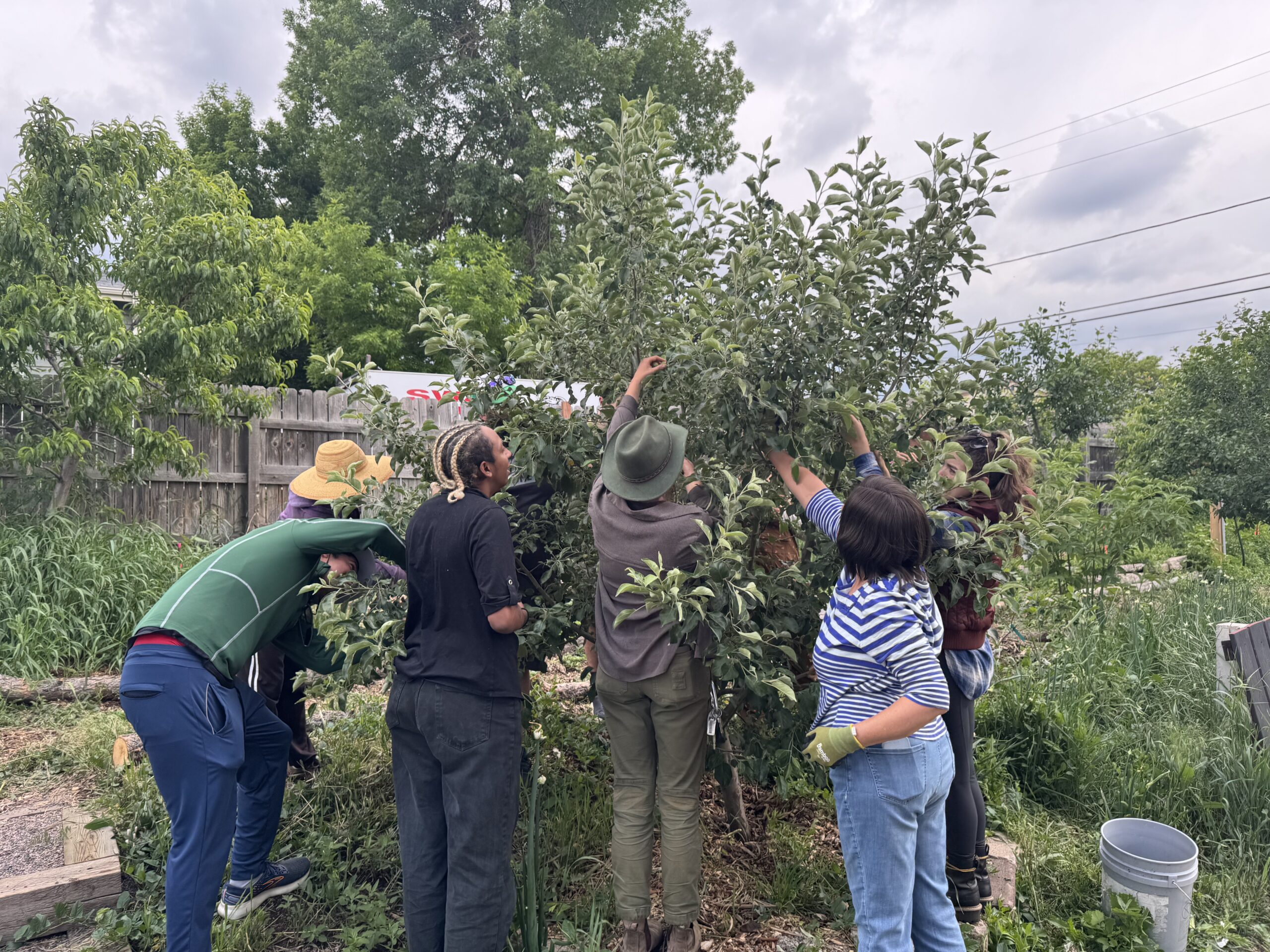
- Pest & disease management
- Fruit Thinning
Guest Speaker
July 1, 2026 · TBD
Open to shift based on needs of the group
Site Survey and Design
August 5, 2026 · Future DUG Food Forest Site
- How to read the landscape
- Design process
Fall Planting
September 9, 2026 · DUG Food Forest Site
- Tree health diagnostic
- Fall planting
- Transplanting
- Mushroom inoculation
- Drip Irrigation
Design Work
September 23, 2026 · Posner Center
- Follow up on site survey
- Plant selection
- Plant sourcing
- Mapping and design
Winter Preparation and Graduation (Longer Session)
October 7, 2026 · GES Food Forest and Posner Center
- Harvesting
- Over-winter storing of potted trees
- Winter tree care
- Water tanks
- Fertilizing
End of Course and Future Opportunities
Participants who complete the program with full (or near-full) attendance will receive a Certificate of Completion from Denver Urban Gardens.
DUG is actively developing additional pathways for graduates to continue growing their skills—through leadership roles, paid opportunities, advanced training, and ongoing practice within the food-forest network. While future roles are not guaranteed, the long-term goal of this program is to cultivate a skilled community of practitioners committed to making perennial agriculture a meaningful part of their livelihood and Denver’s ecological future.
Attendance Policy
Participants may miss one class without penalty. After a second absence, continuation in the program will be evaluated at the discretion of the instructional team.
Investment
Participants accepted into the program will select one of two tuition tiers based on their circumstances: $500 or $750. If cost remains a barrier, accommodations can be made upon request.
Thanks to funding from Denver’s Office of Climate Action, Sustainability, and Resilience (CASR), participants who complete all course requirements will receive a $250 stipend.