Garden equity
COMMUNITY-DRIVEN ACCESS AND INCLUSION*
COMMUNITY-DRIVEN ACCESS AND INCLUSION*
COMMUNITY-DRIVEN ACCESS AND INCLUSION*
COMMUNITY-DRIVEN ACCESS AND INCLUSION*
COMMUNITY-DRIVEN ACCESS AND INCLUSION*
COMMUNITY-DRIVEN ACCESS AND INCLUSION*
COMMUNITY-DRIVEN ACCESS AND INCLUSION*
COMMUNITY-DRIVEN ACCESS AND INCLUSION*
DUG works to continuously improve equity and accessibility across all programs and initiatives. By engaging our community directly, we are updating approaches to garden construction, cultural practices, and more. Explore what we’re doing below!
ACCESSIBILITY
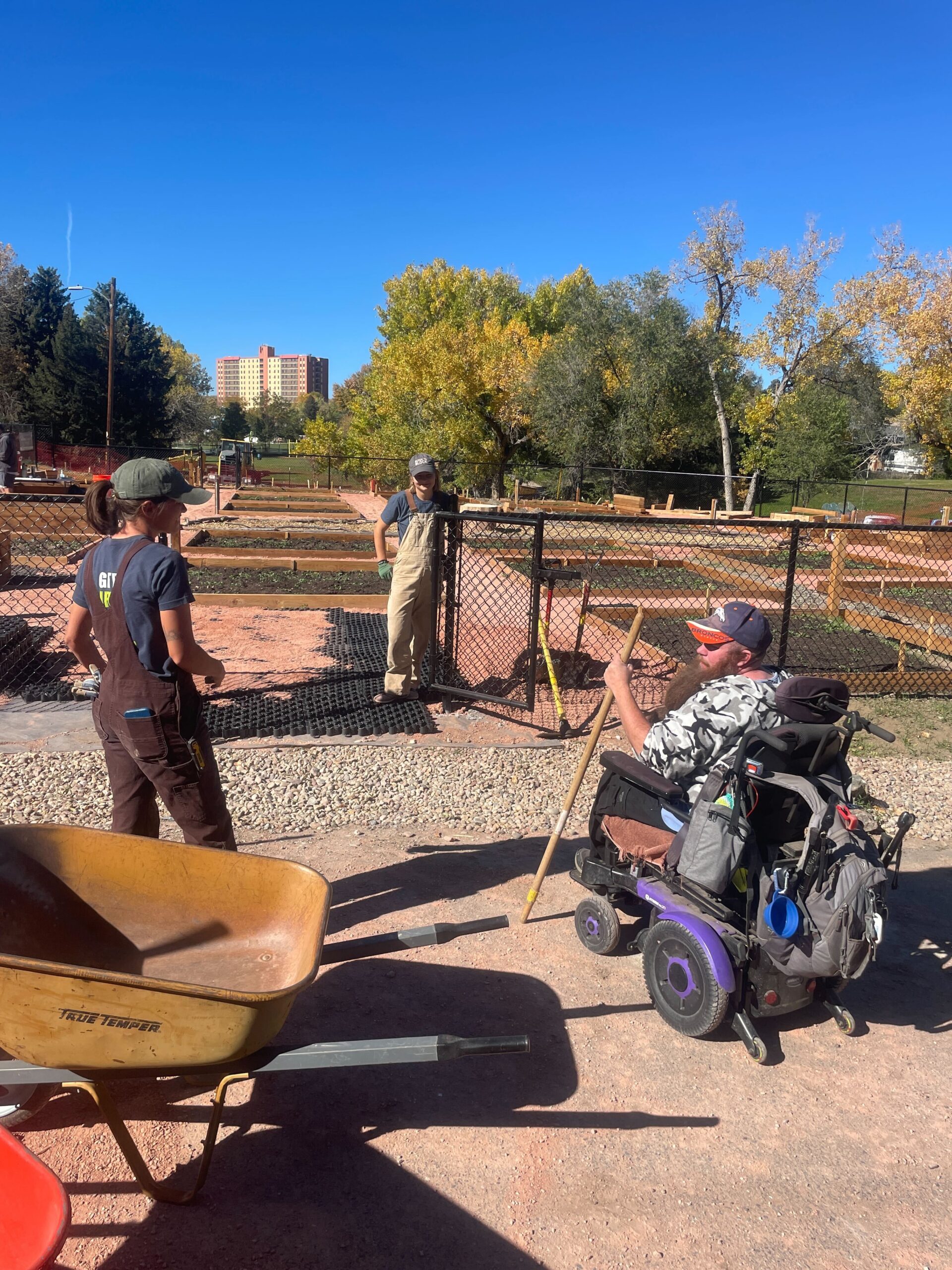
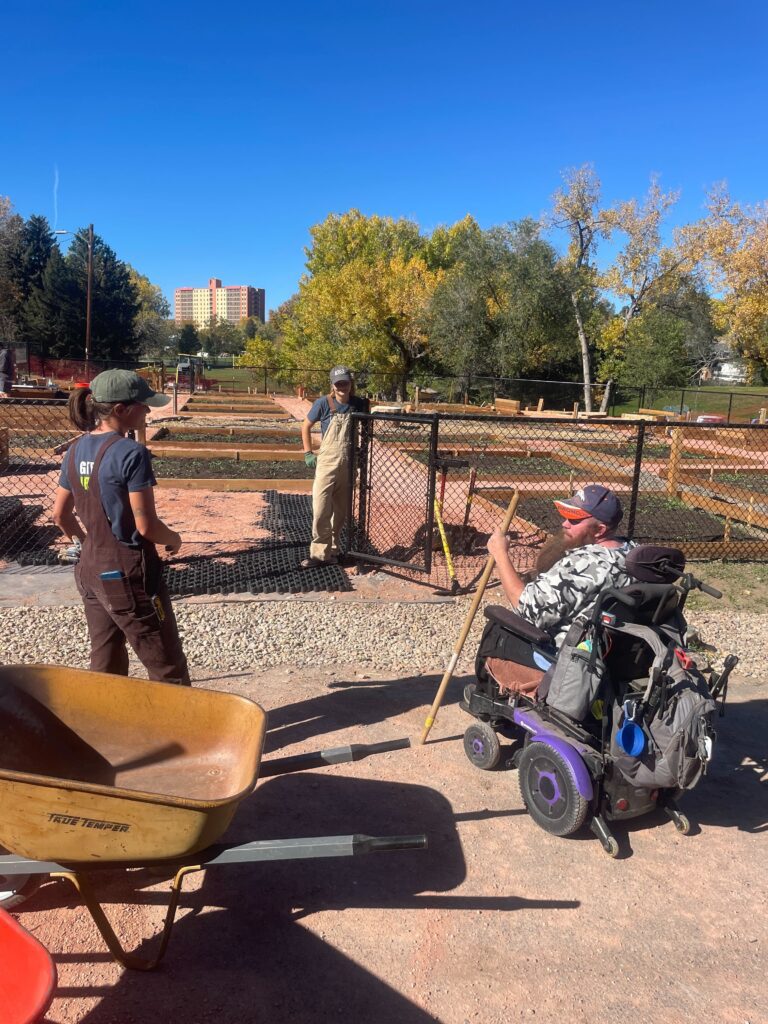
Partly led by DUG’s Change Committee, a dedicated group of changemakers, DUG’s accessibility and equity efforts have included efforts like ADA compliance in garden spaces and land blessings for opening ceremonies.
ADA Compliance
- Improving garden pathways
- Adding ADA-accessible garden beds
- Ensuring entrances are wheelchair accessible
LANGUAGE ACCESS
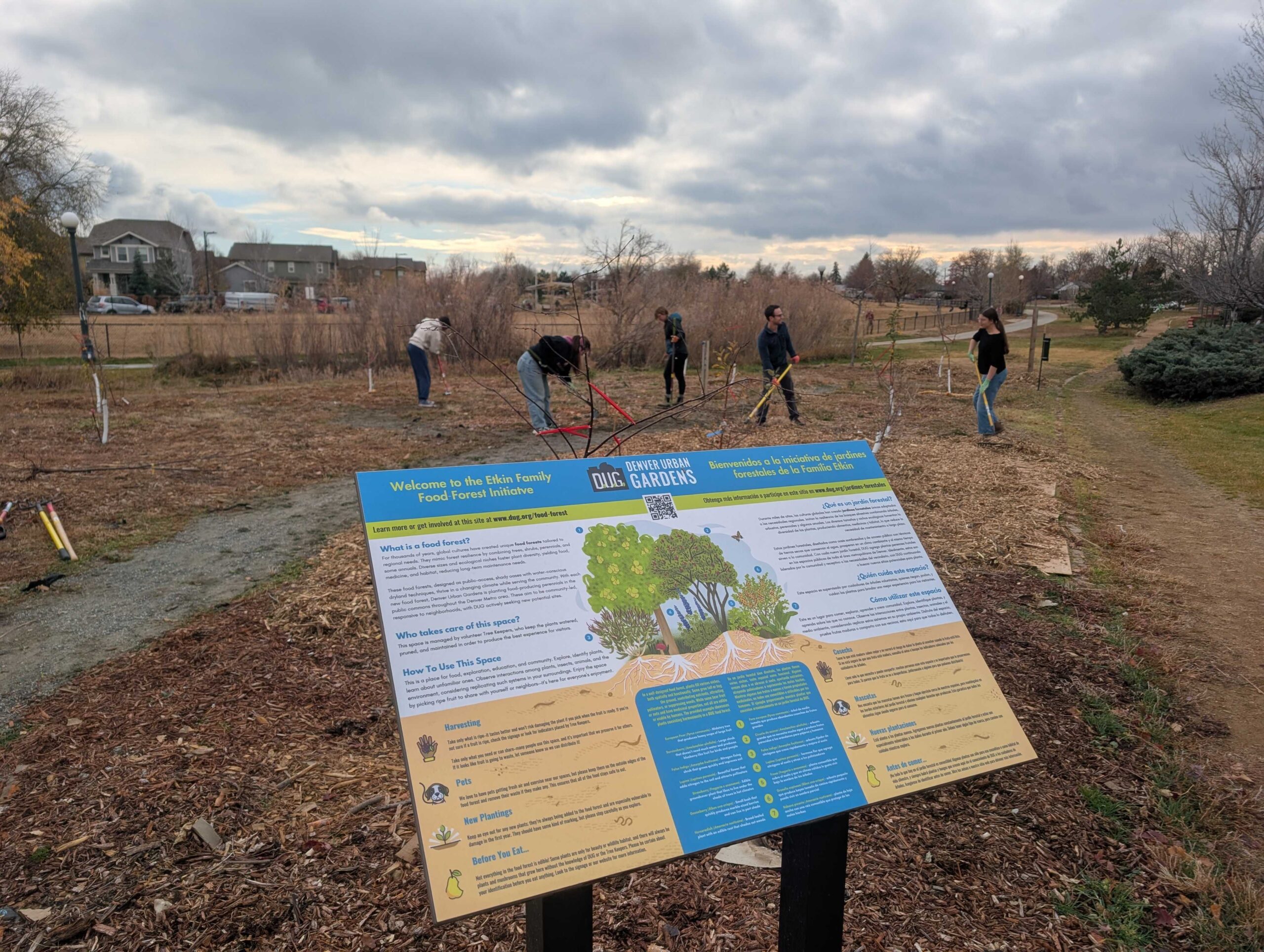
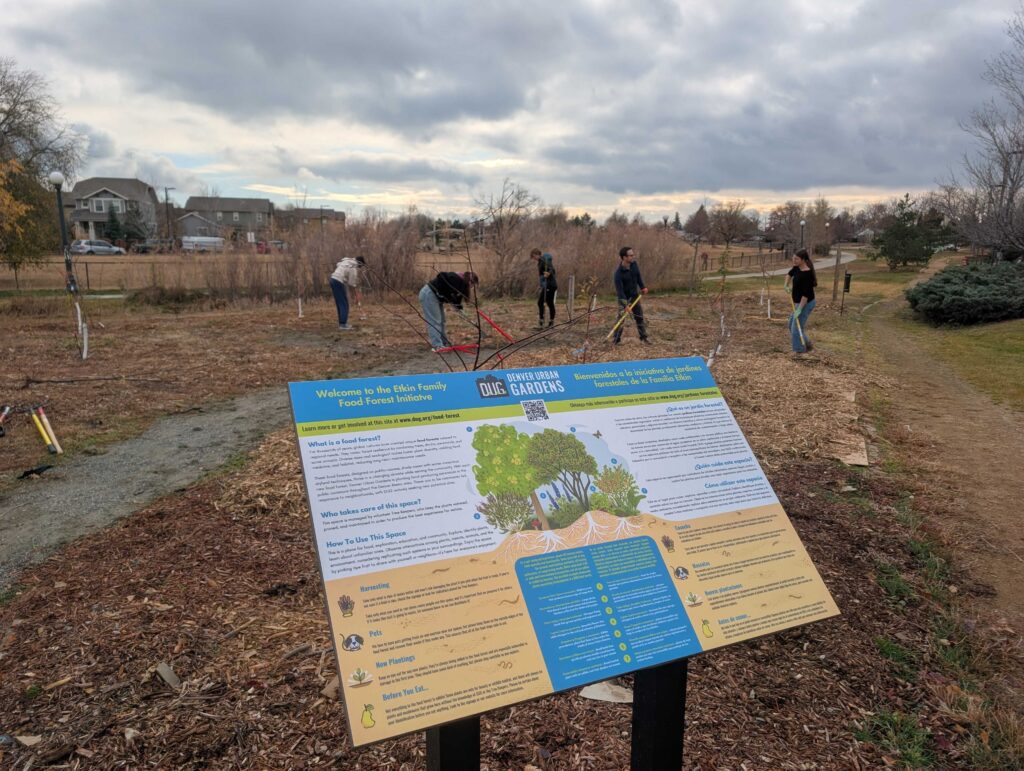
- Translating signage to community-need languages, like plant variety signs at food forests
- Ensuring key signage is available in English and Spanish
- Offering interpretation services for garden meetings, as requested
- Educating Garden Leaders and Tree Keepers on tools to support language access, like Google Translate
EDUCATIONAL SIGNAGE
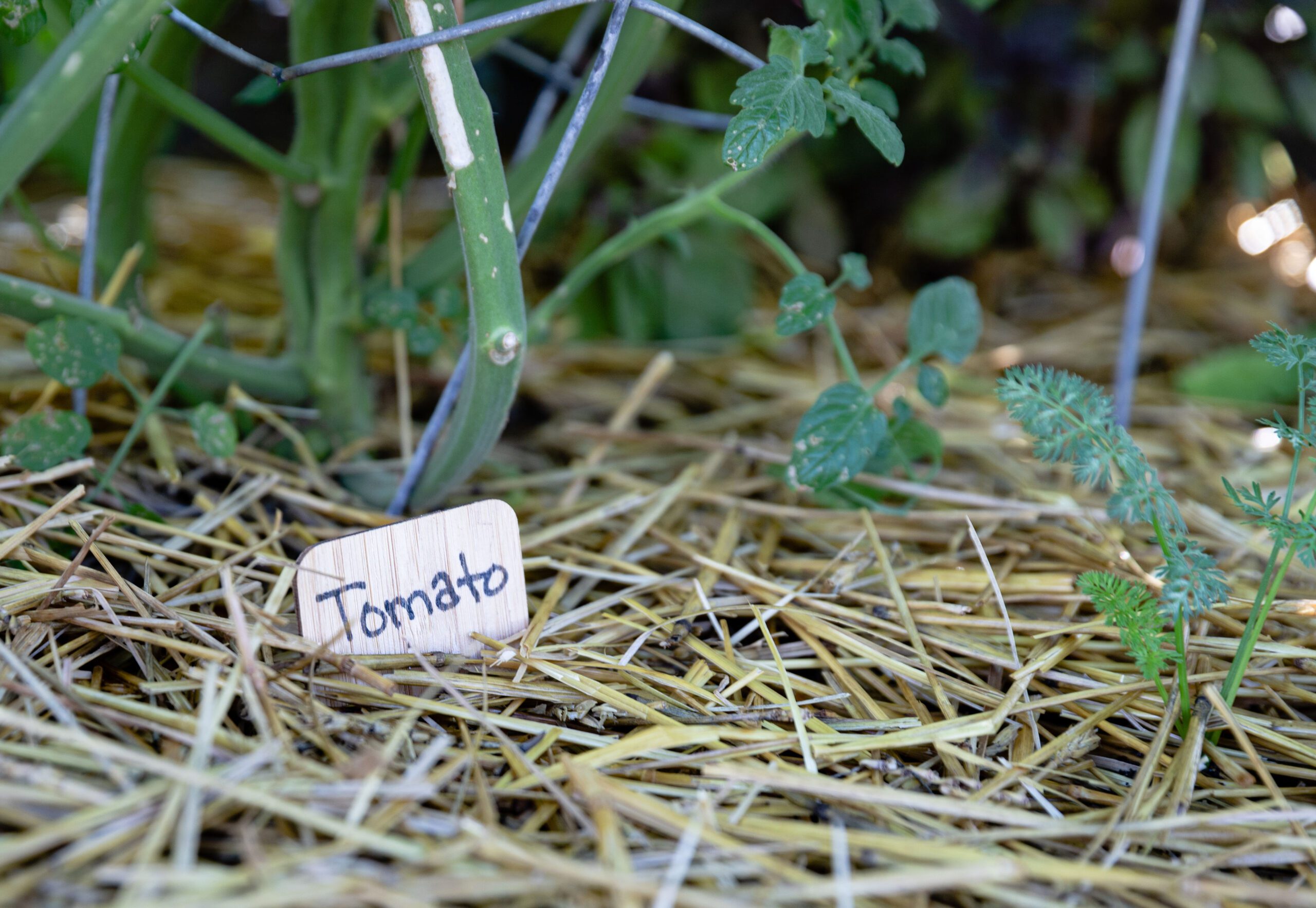
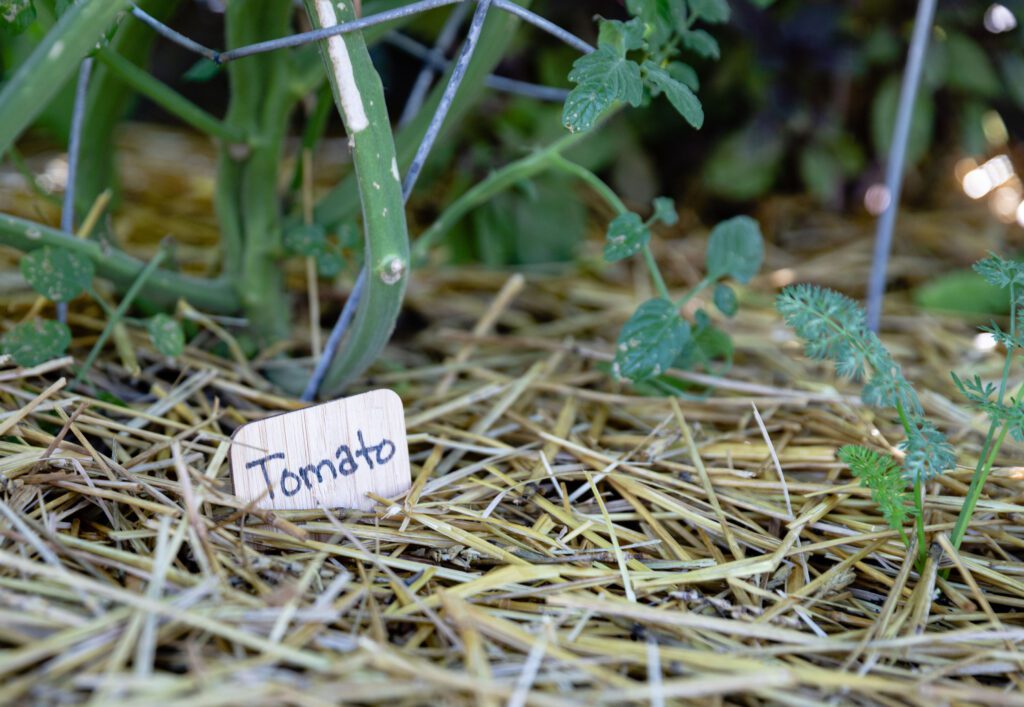
- Featuring plant labels food forests, with digital access to translations
- Including kid-friendly games and signage for education
- Using sustainability signage to educate on features like rain barrels and compost bins
PRODUCE DONATION
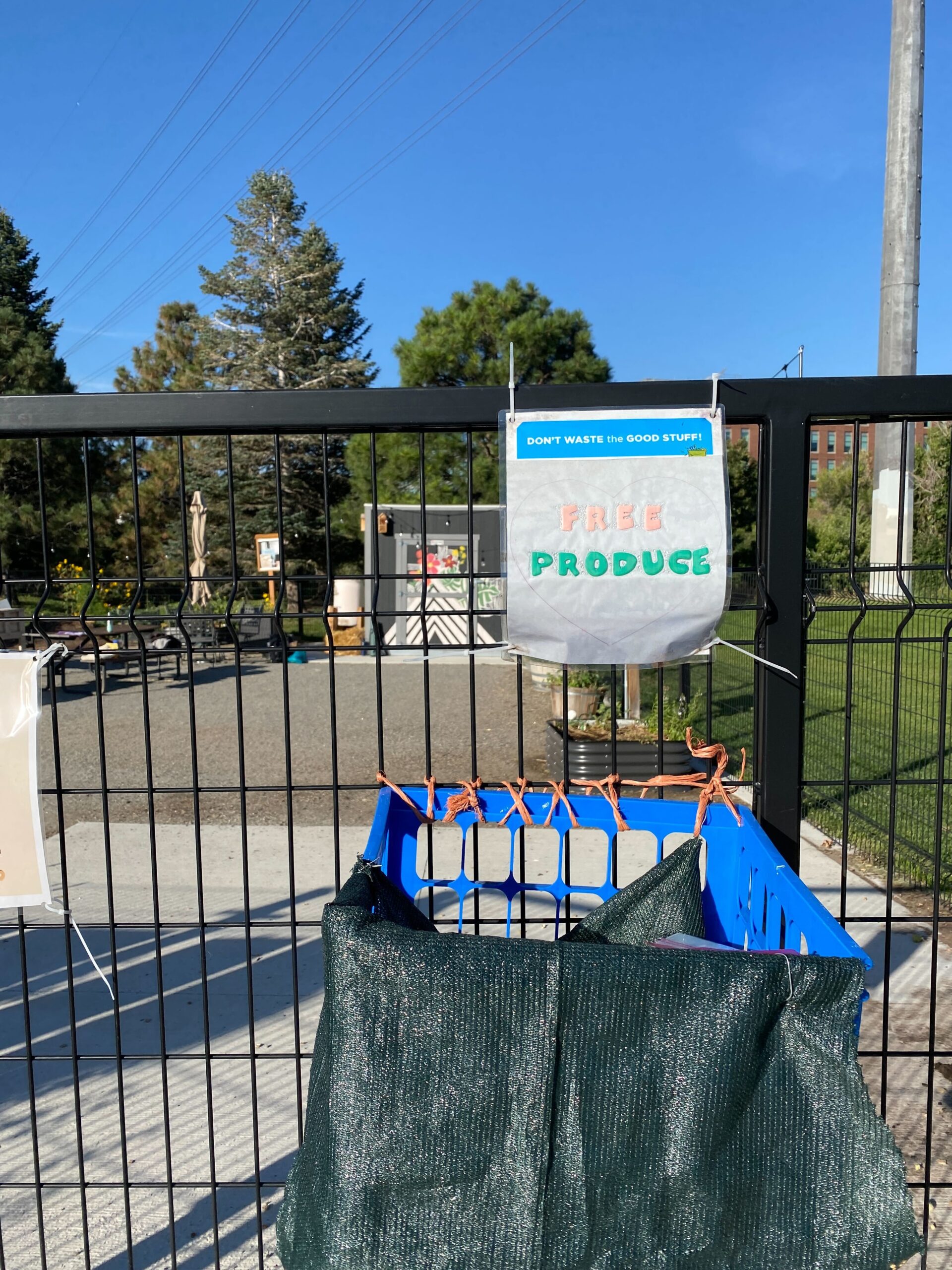
- Requesting that all DUG gardeners donate at least 10% of their produce to neighbors, local food pantries, or through DUG’s partner, Fresh Food Connect
- Offering “community pick” and “donation plots” at participating gardens
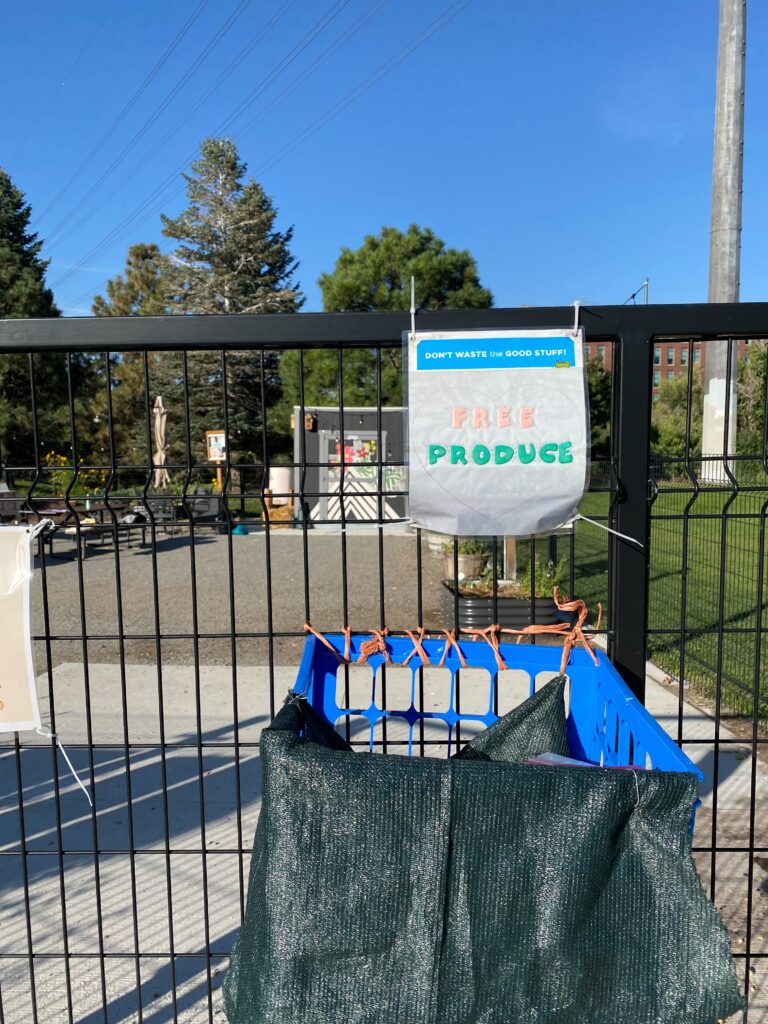
- Placing “free produce” signs and bins on community garden fences for passersby
- Expanding food forests as spaces for all to enjoy and harvest from
COMMUNITY EVENTS
- Marketing open houses, town halls, and interest meetings in new community garden and food forest spaces
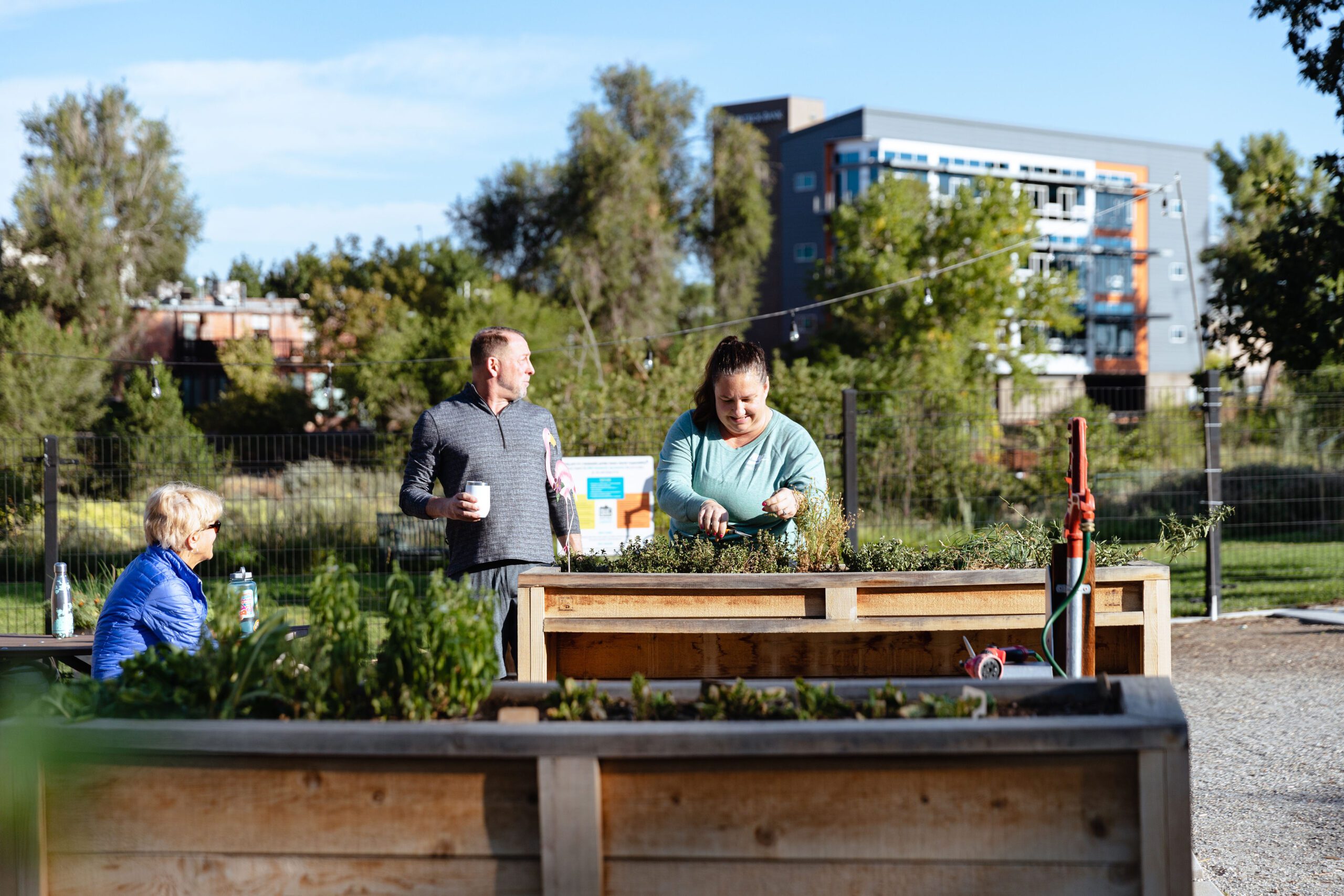
- Supporting community gardens and food forests with volunteer workdays to welcome community member involvement
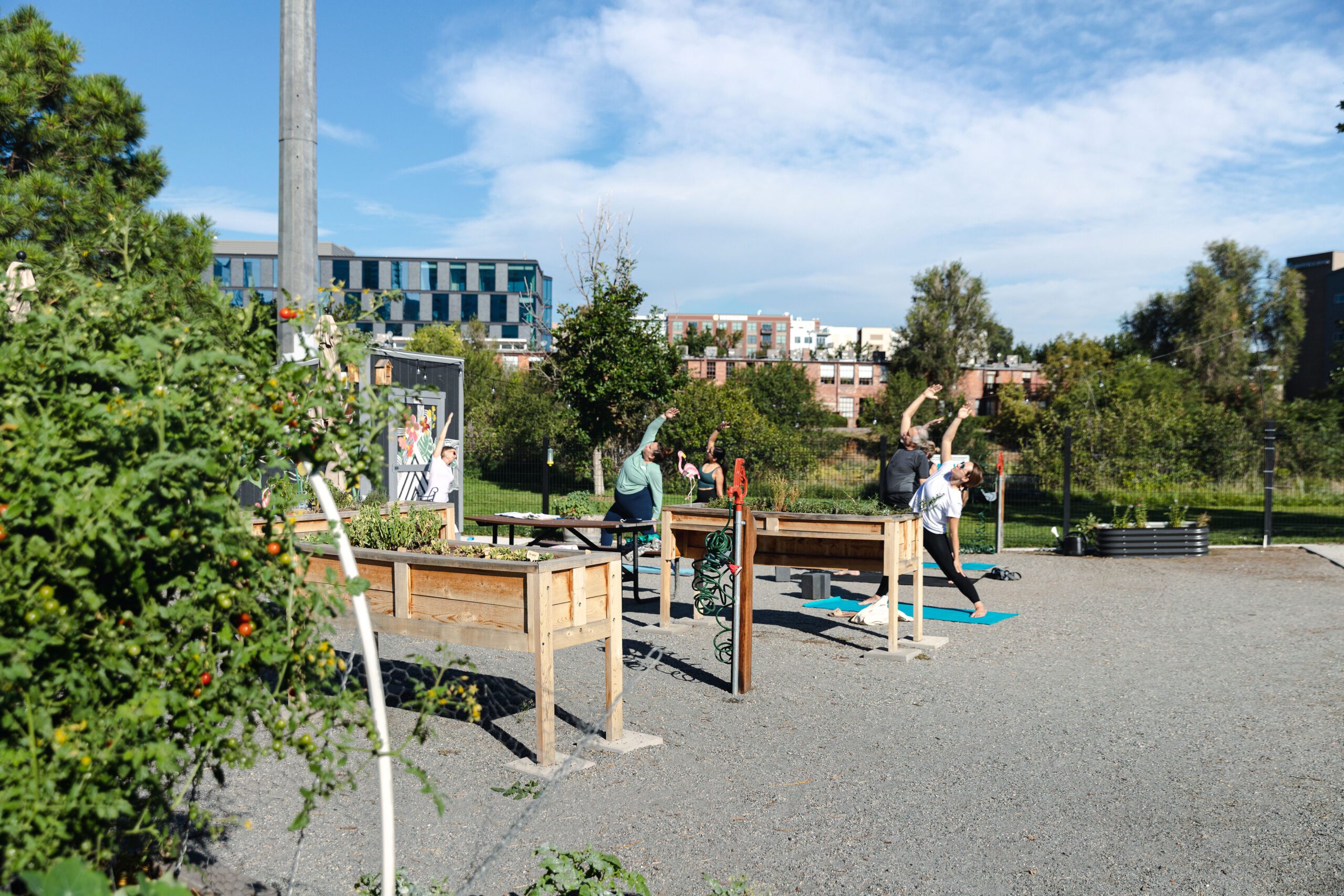
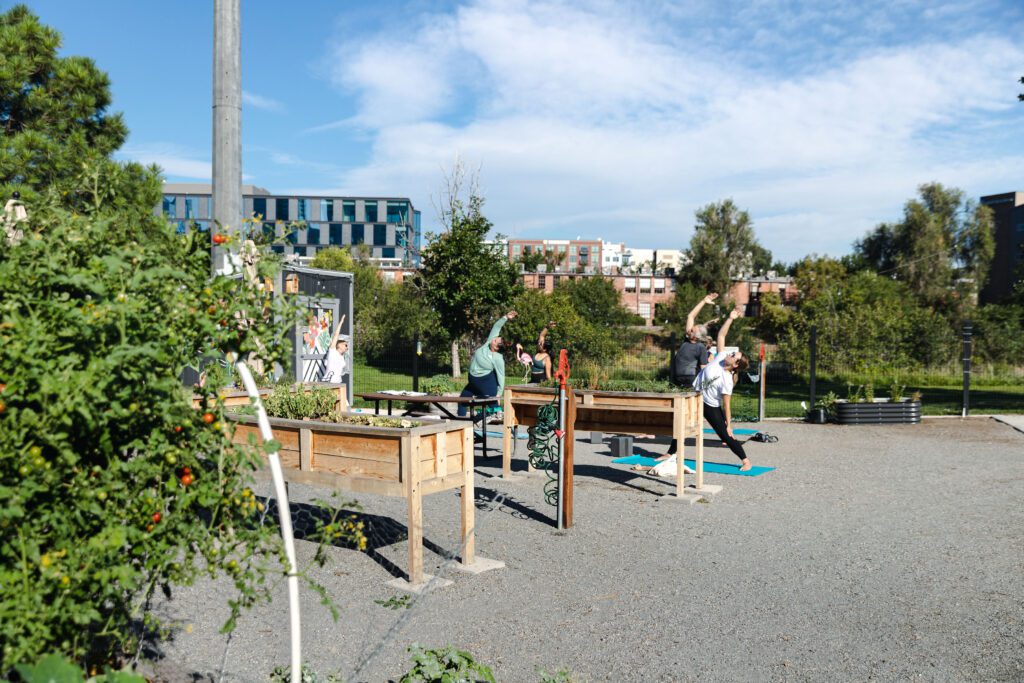
- Encouraging garden-led events, like yoga classes, cooking classes, and live music to promote relationship-building within the garden and neighborhood
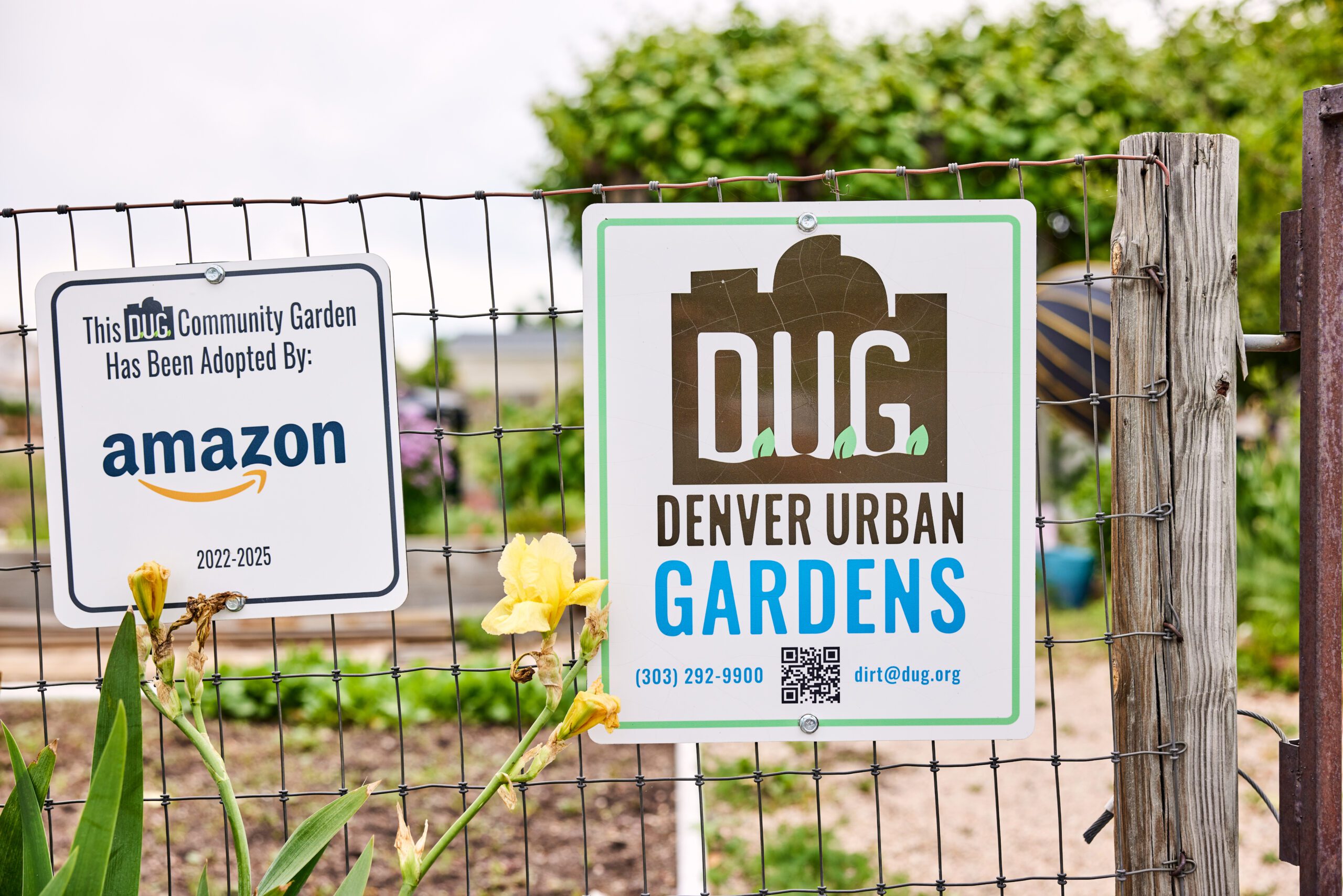
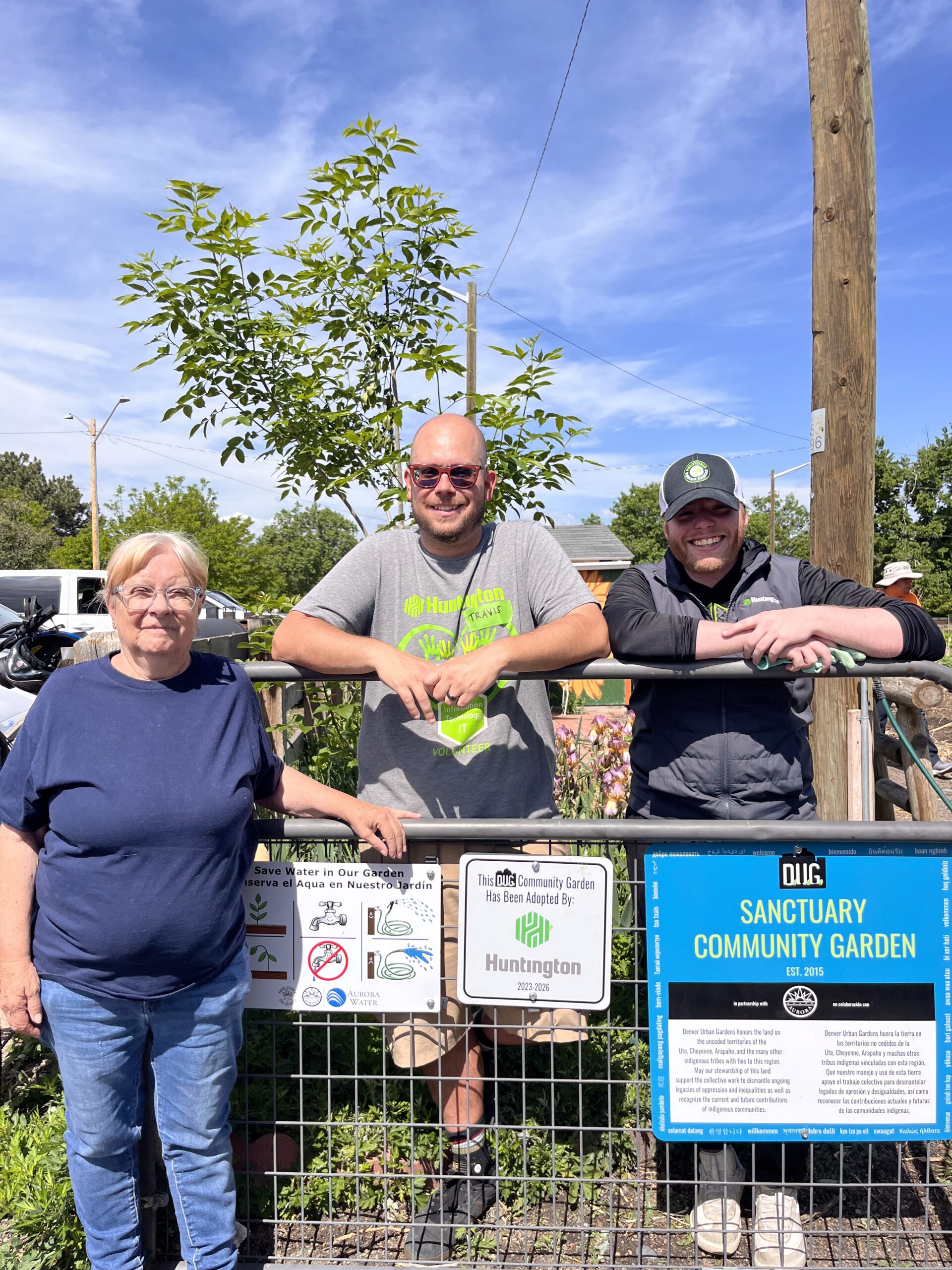
garden adoption
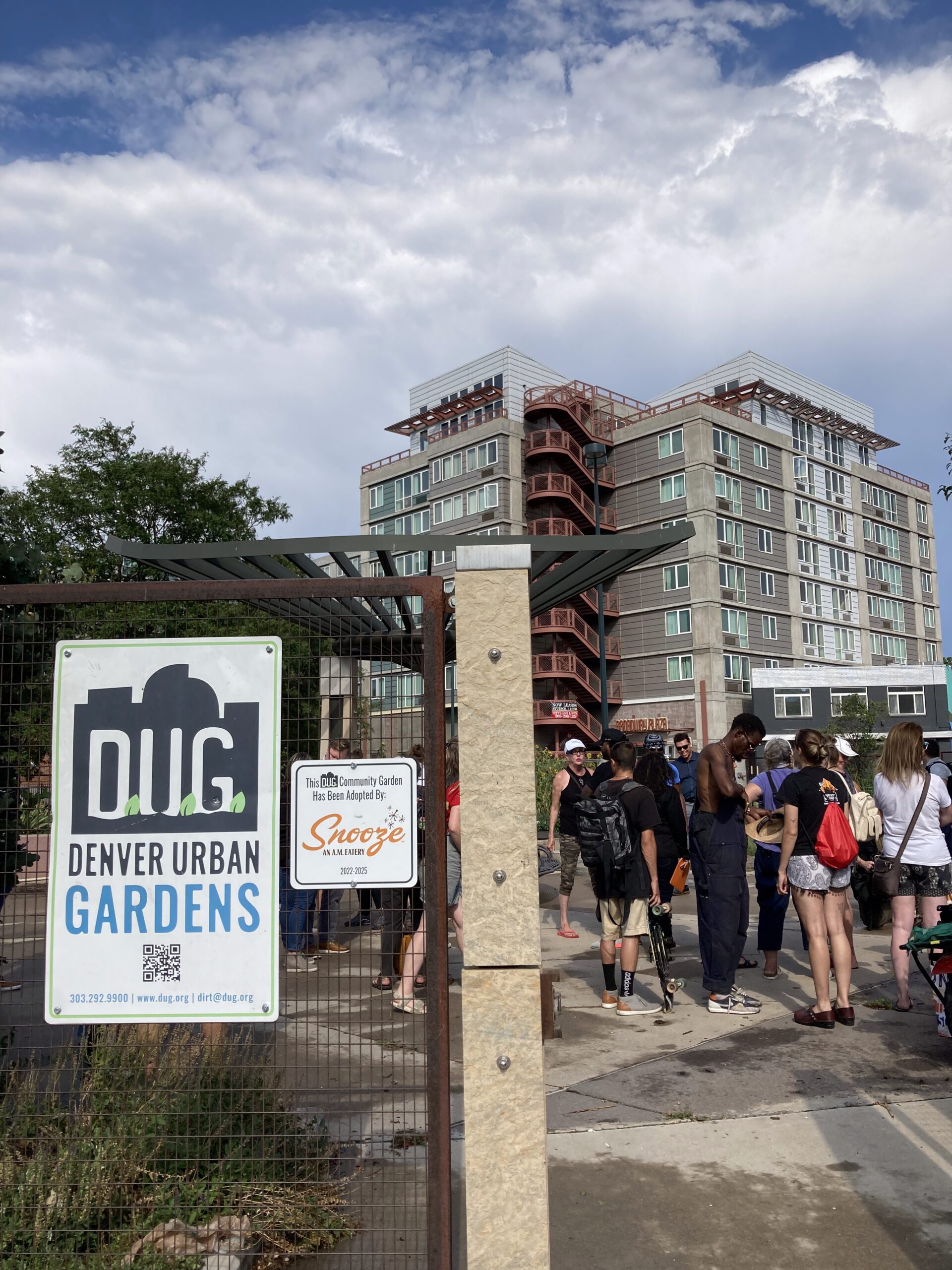
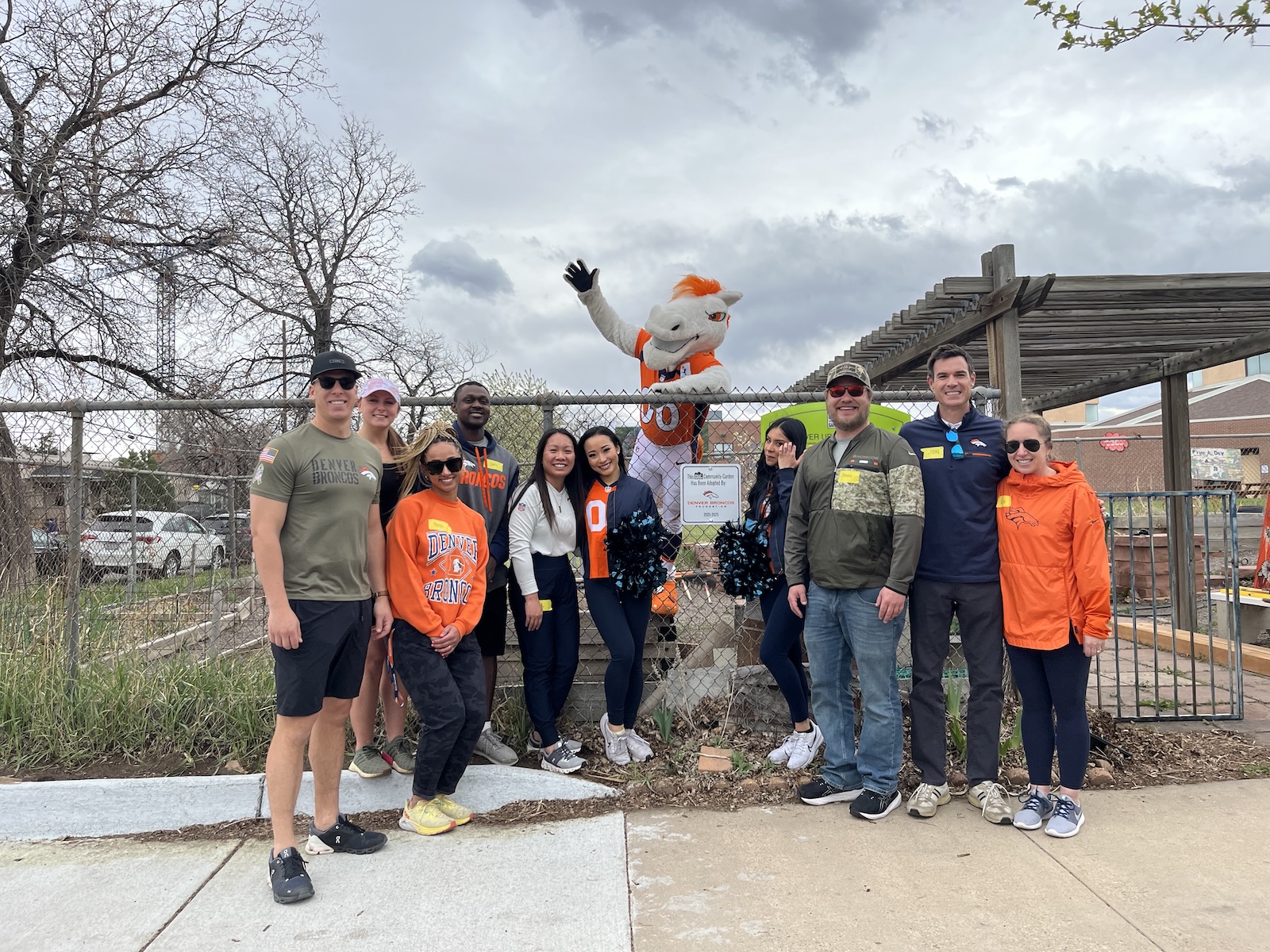
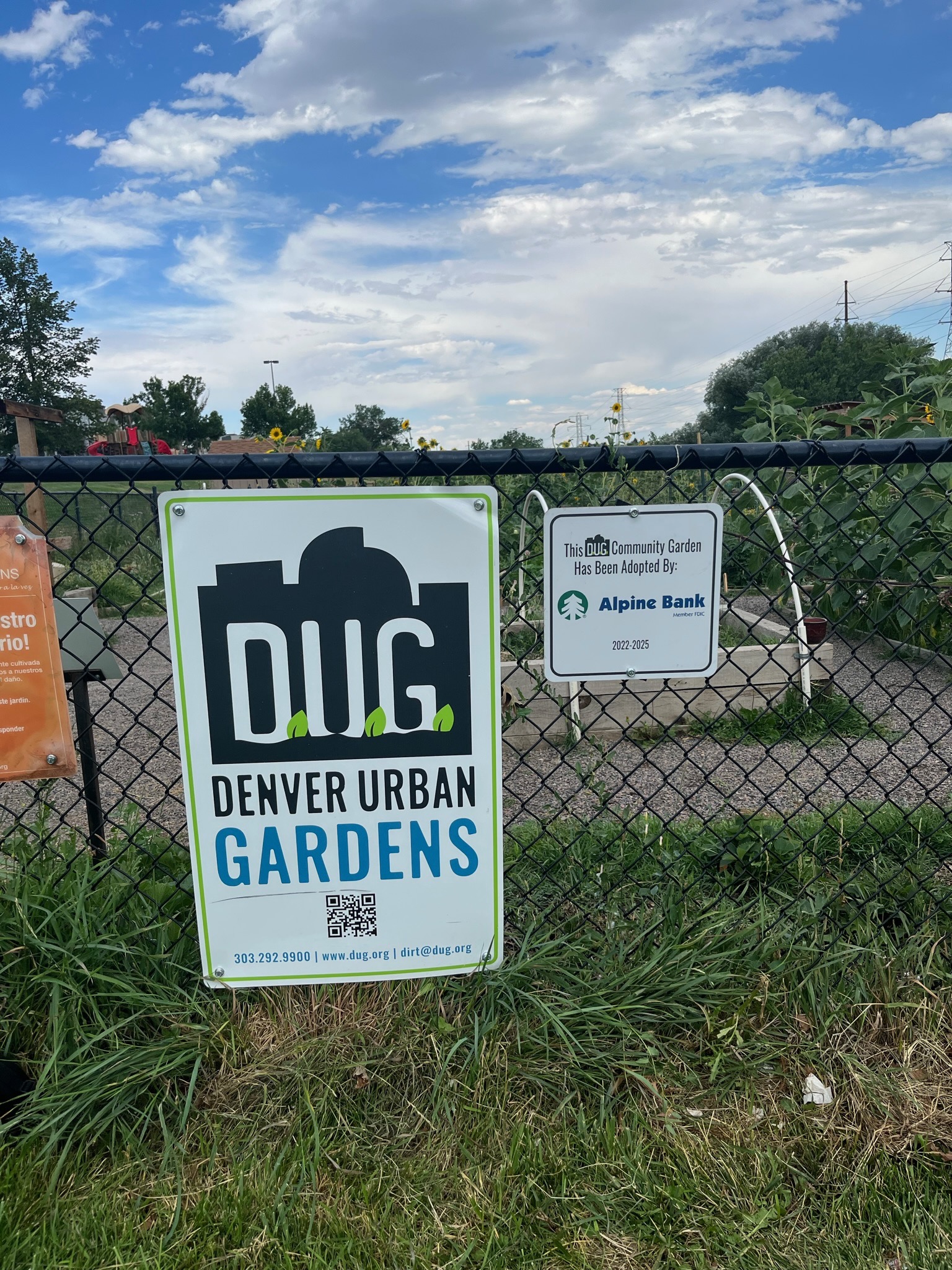
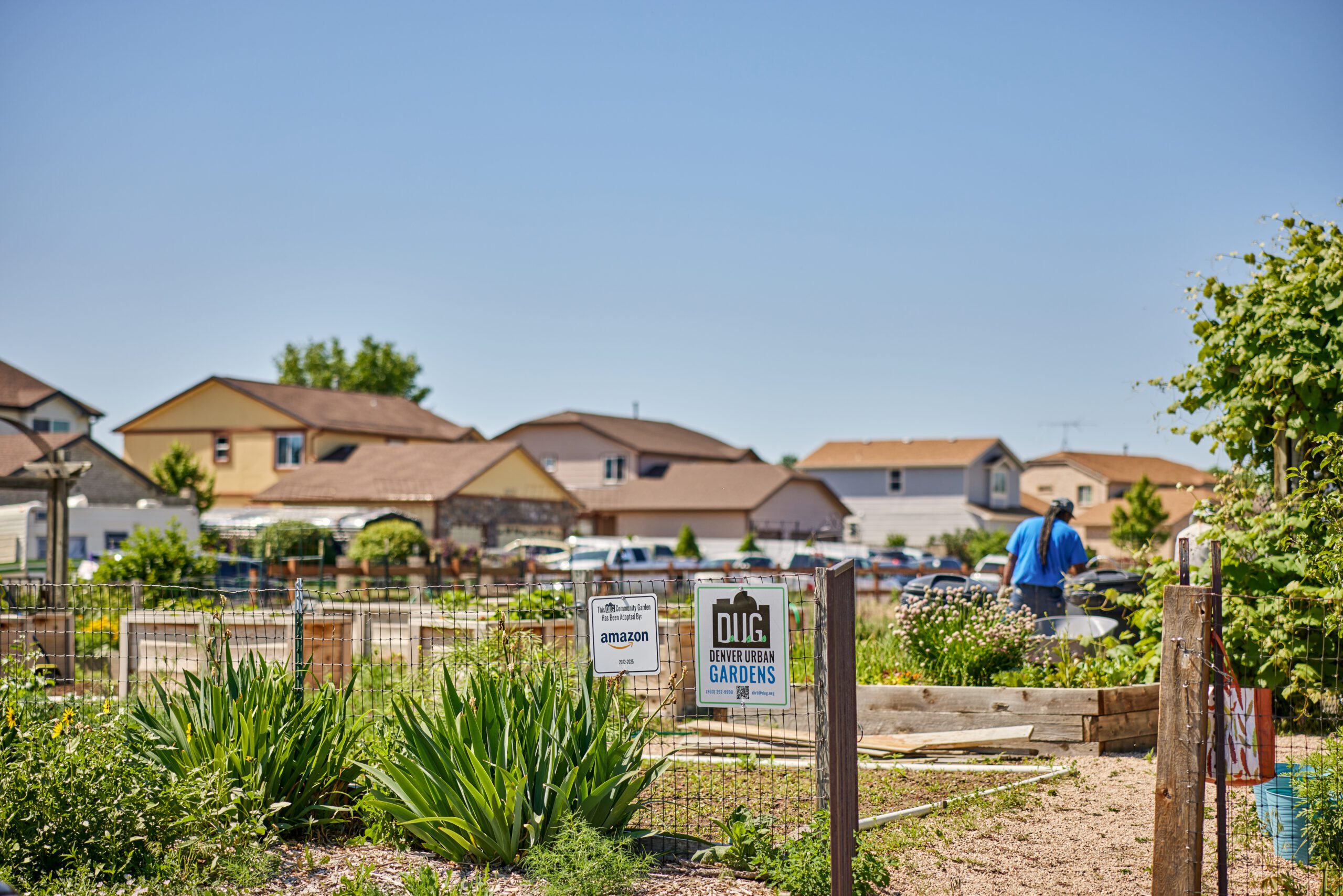
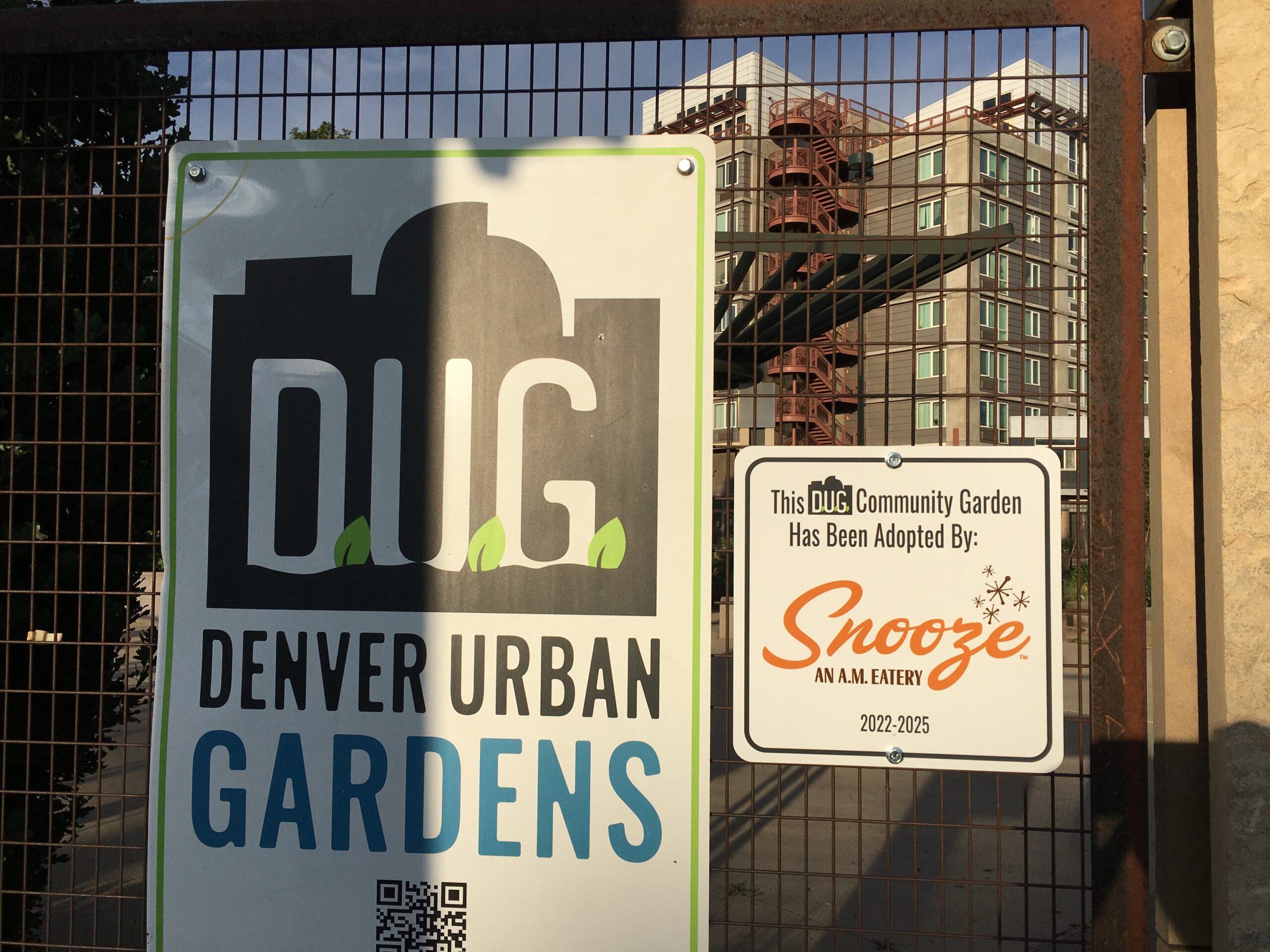
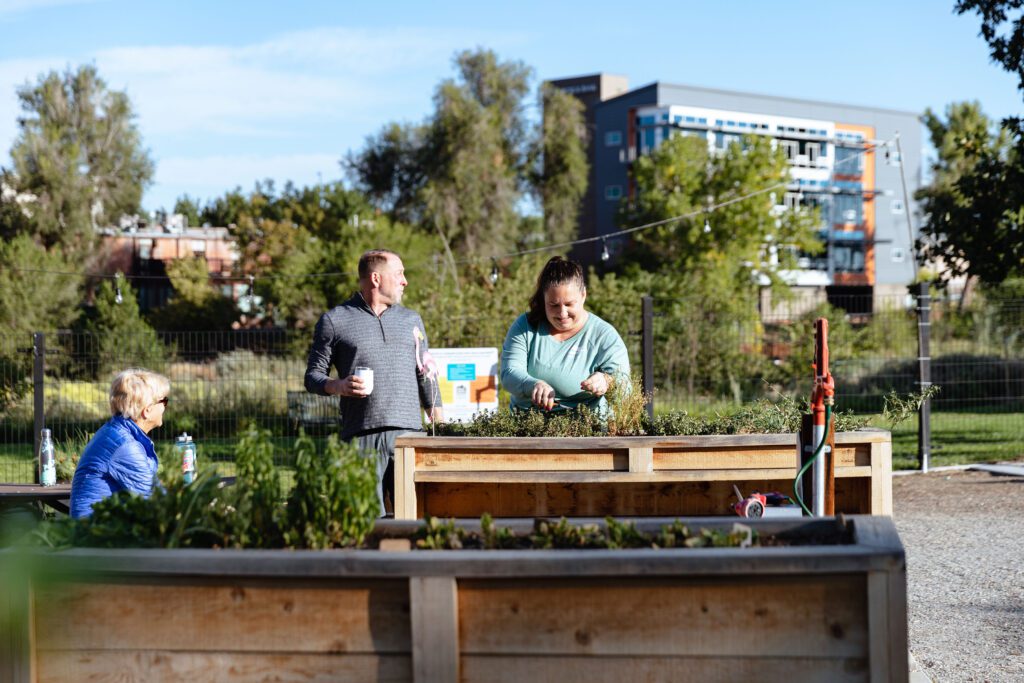
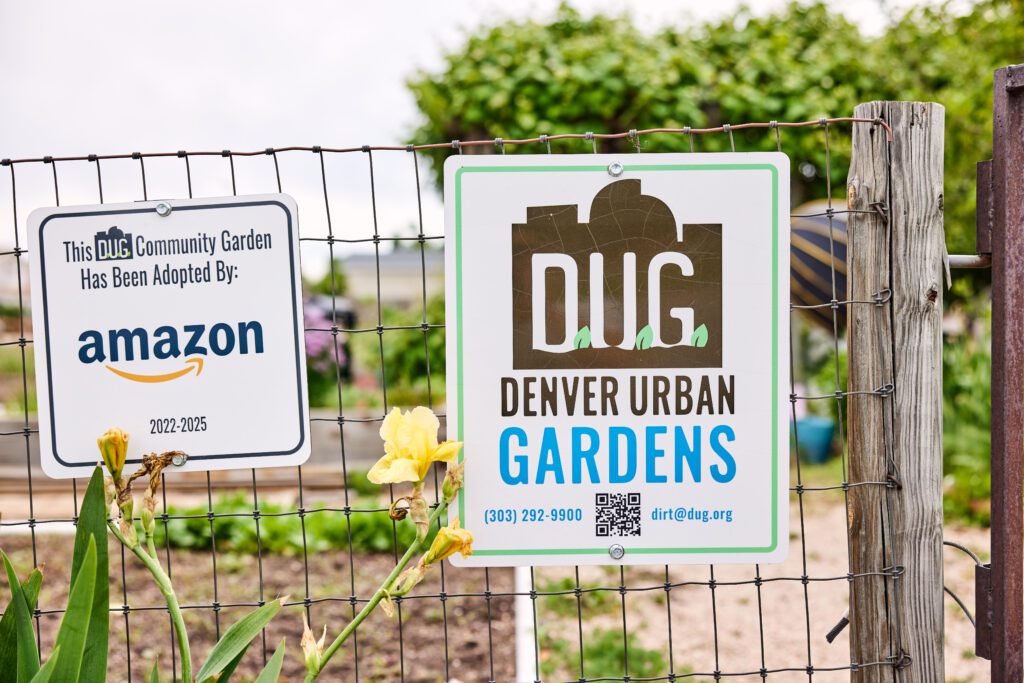
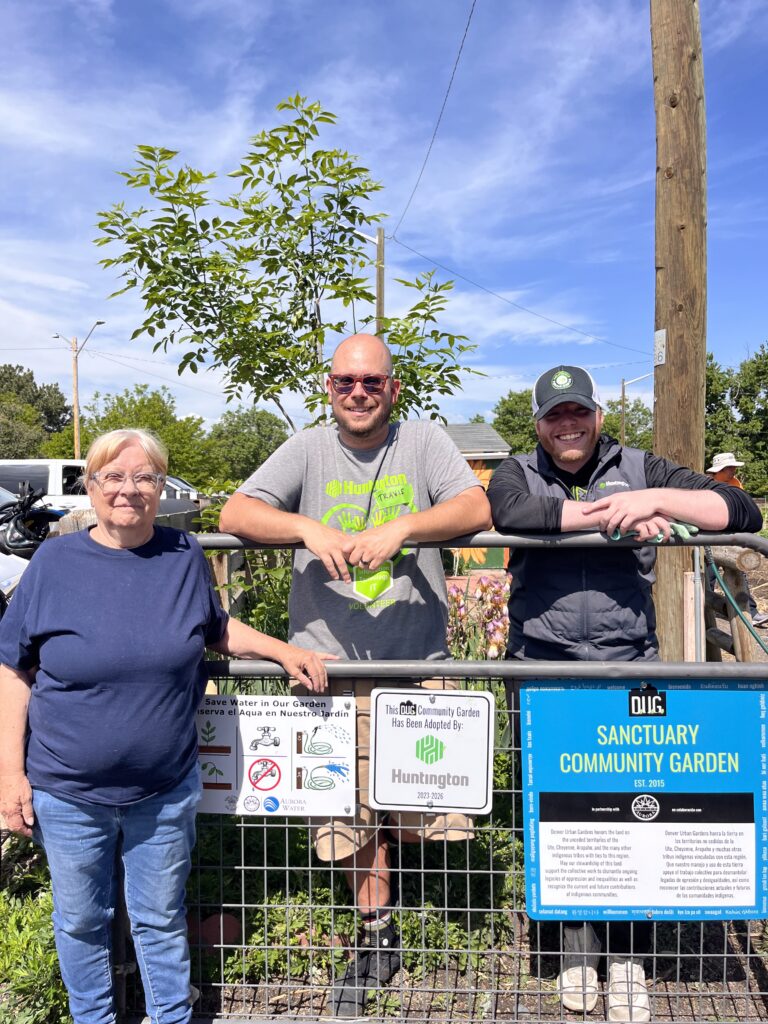
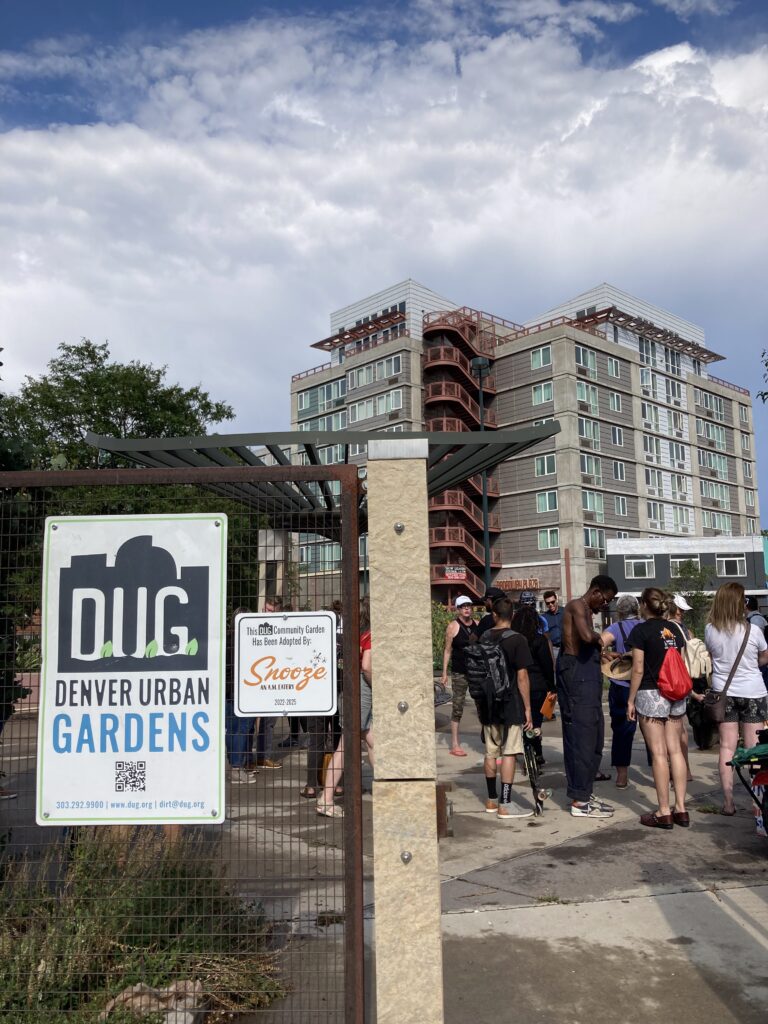
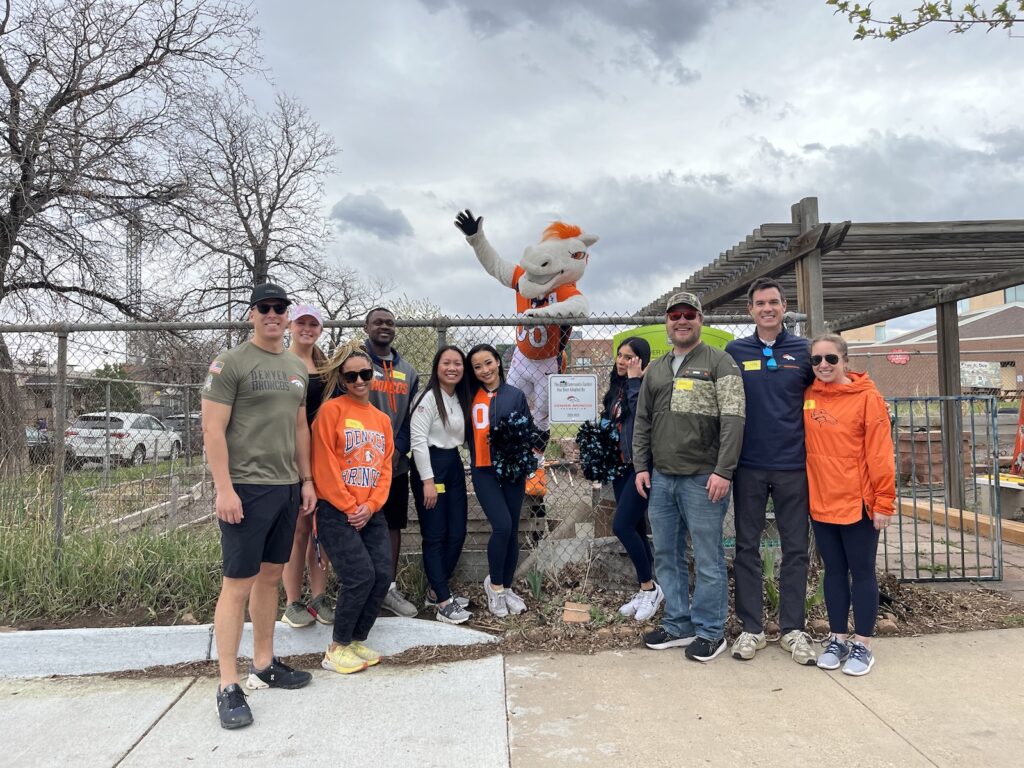
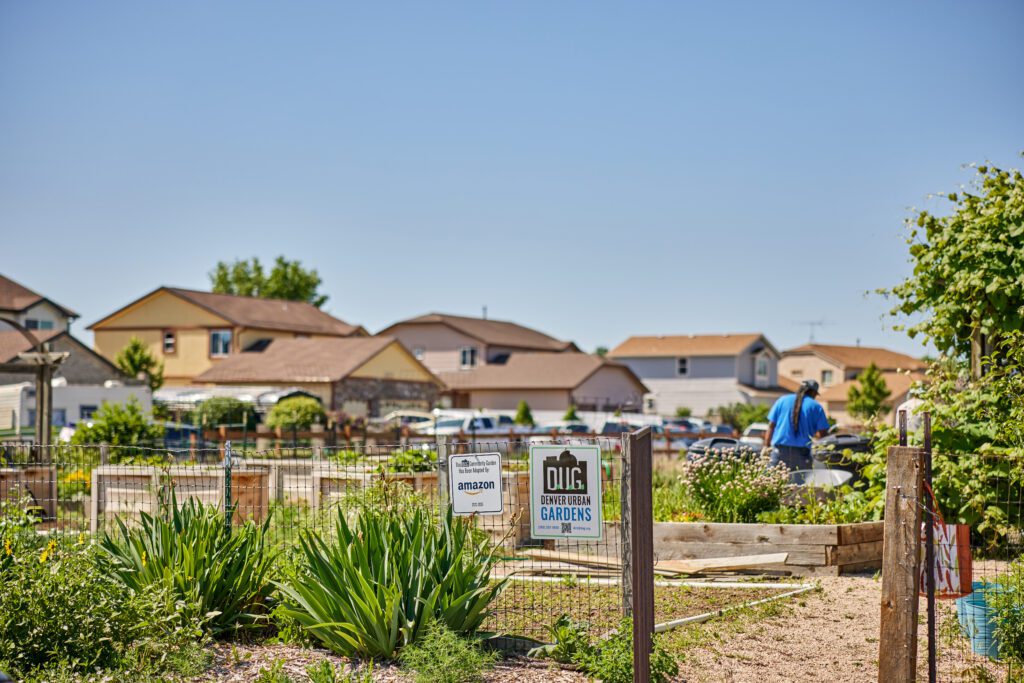
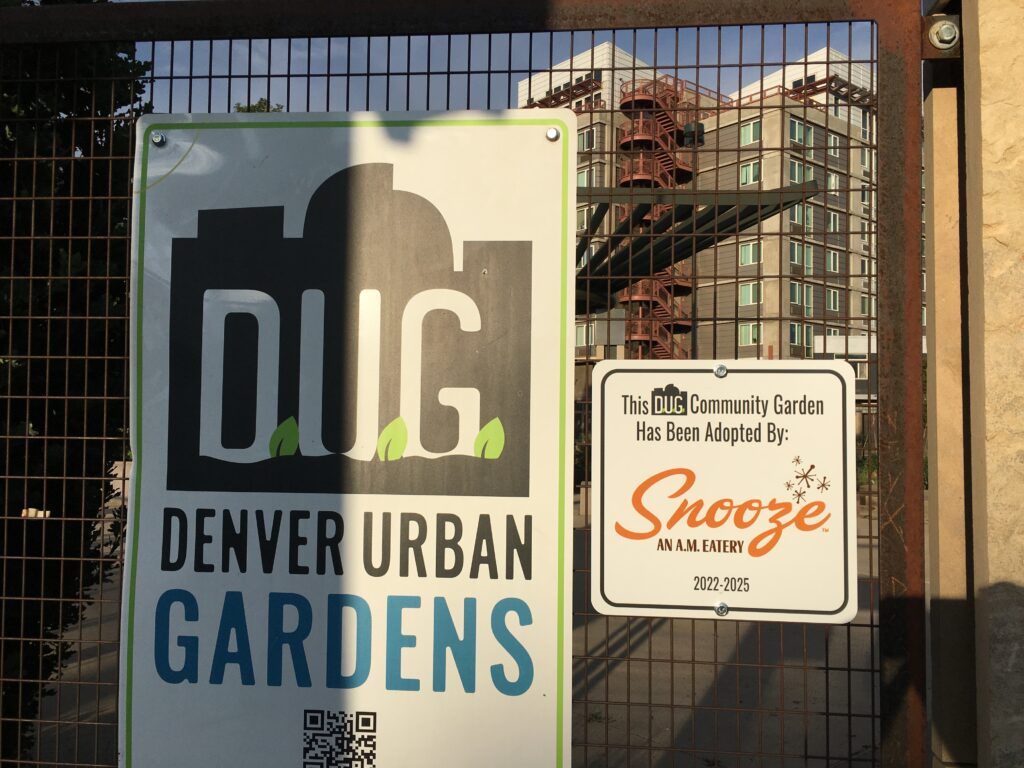
Garden adoption allows community members or businesses to partner with DUG to support a community garden or food forest. Adoptions are a three-year minimum commitment to ensure consistency of resources from season to season. A portion of each year’s adoption fee goes directly to the adopted garden, with any surplus funding applied to DUG’s Baseline Infrastructure Initiative (BII), which further ensures equity across the entire DUG network.
Learn More
EQUITY-CENTERED PRICING
DUG’s pricing approach is designed to strike a balance between accessibility and sustainability. We strive to reduce financial barriers for participants while ensuring our staff, educators, and partners are compensated at a living wage and that our programs remain operationally strong. Our pricing models are designed to accommodate a diverse range of community needs and organizational capacities.
Here are some ways we put this into practice:
- Our Community Education workshops use a pay-what-you-can model with a minimum fee to reduce barriers while supporting program sustainability, with no-cost registration always available.
- Training programs utilize accessible pricing models, with some offering completion stipends, to support skill development and workforce pathways.
- Private Group Workshops use tiered pricing based on organizational size and annual budgets, making it easier for all groups to participate.
- Community garden plot fees are determined by garden leadership in each community garden and average $40 a plot. Gardeners are invited to pay what they can, including $0 or more than the determined plot fee to ‘pay-it-forward’
Baseline Infrastructure Initiative
The Baseline Infrastructure Initiative (or BII) is a holistic program centered on establishing and increasing equity across DUG’s network of community gardens. This program is open to public DUG community gardens and qualifying gardens may change from year to year based on need and resource availability. The BII encompasses 4 core areas– Activation, Infrastructure, Financial, and Supplies – to ensure that all of our gardens are resourced at an equitable level to support thriving community gardens producing optimum yields for their needs. This program prioritizes gardens with improvements around garden safety, security, food production, gathering space and accessibility.
Activation
- Leadership Support + Education
- Gardener Activation
- Translation + Interpretation Support
- On-site Application Support
- DUG Presence at Garden Meetings
Infrastructure
- Shade Structures
- Plot Borders
- Tool Storage
- Pathways
- ADA Accessibility
Financial
- Essential Needs Support (including water bills)
- Gardening Fund Support
Supplies
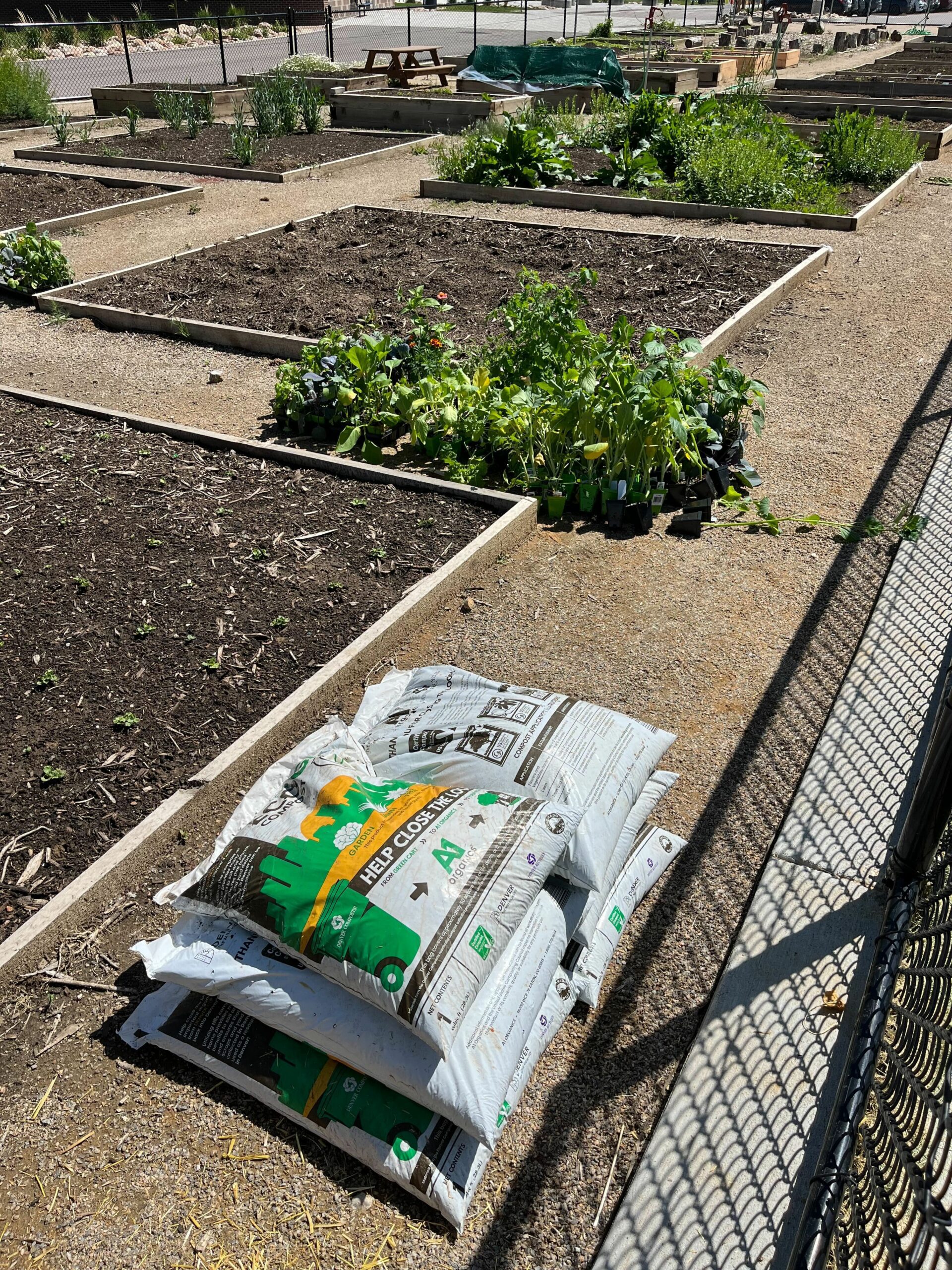
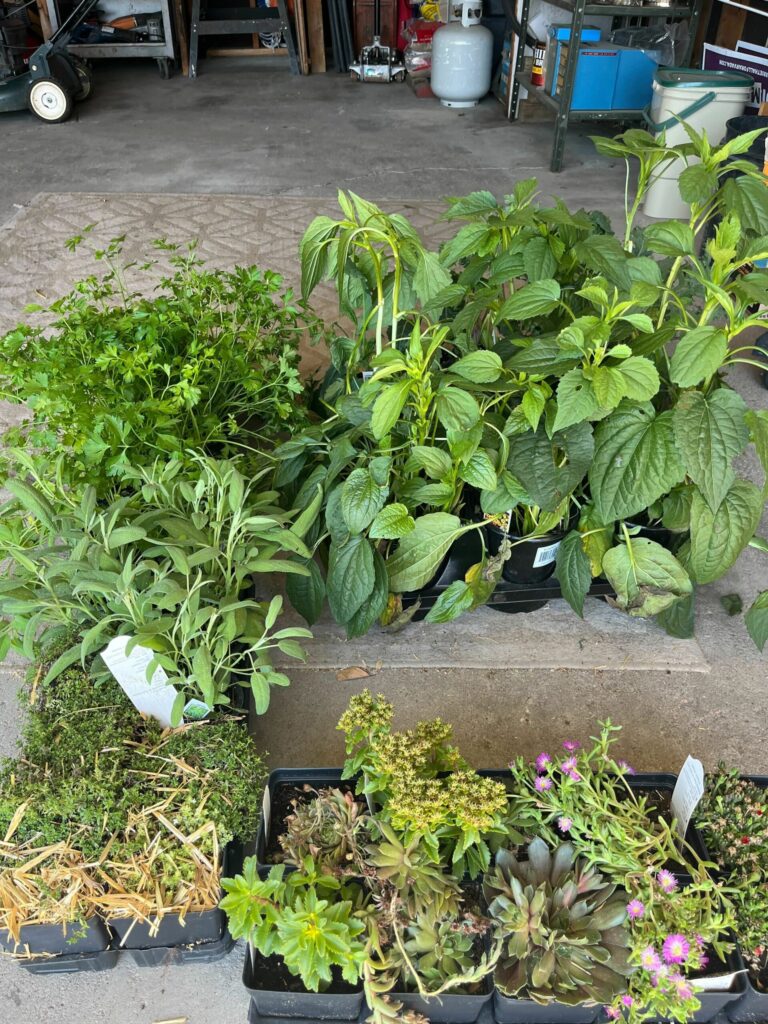
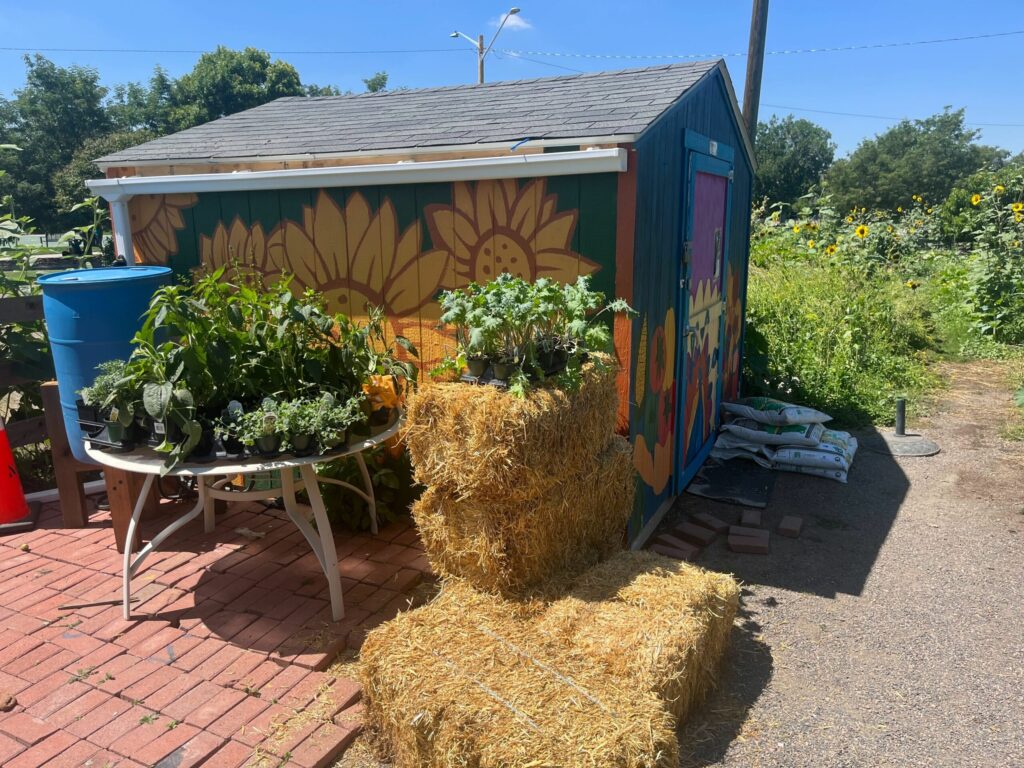
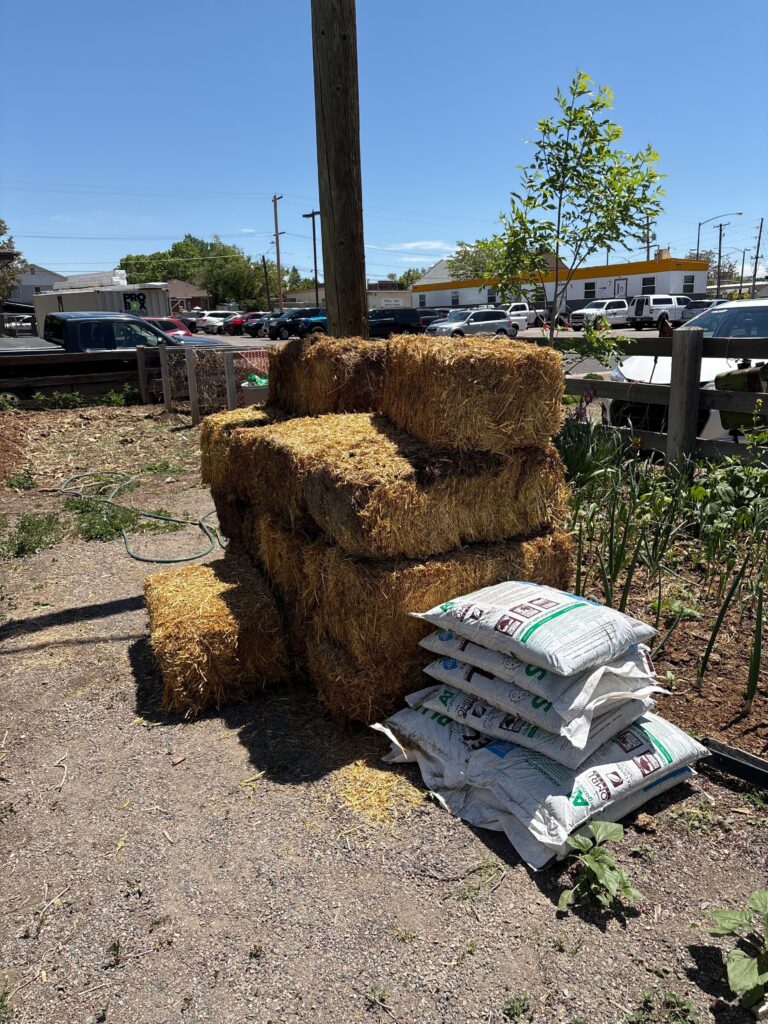
- Compost
- Seeds
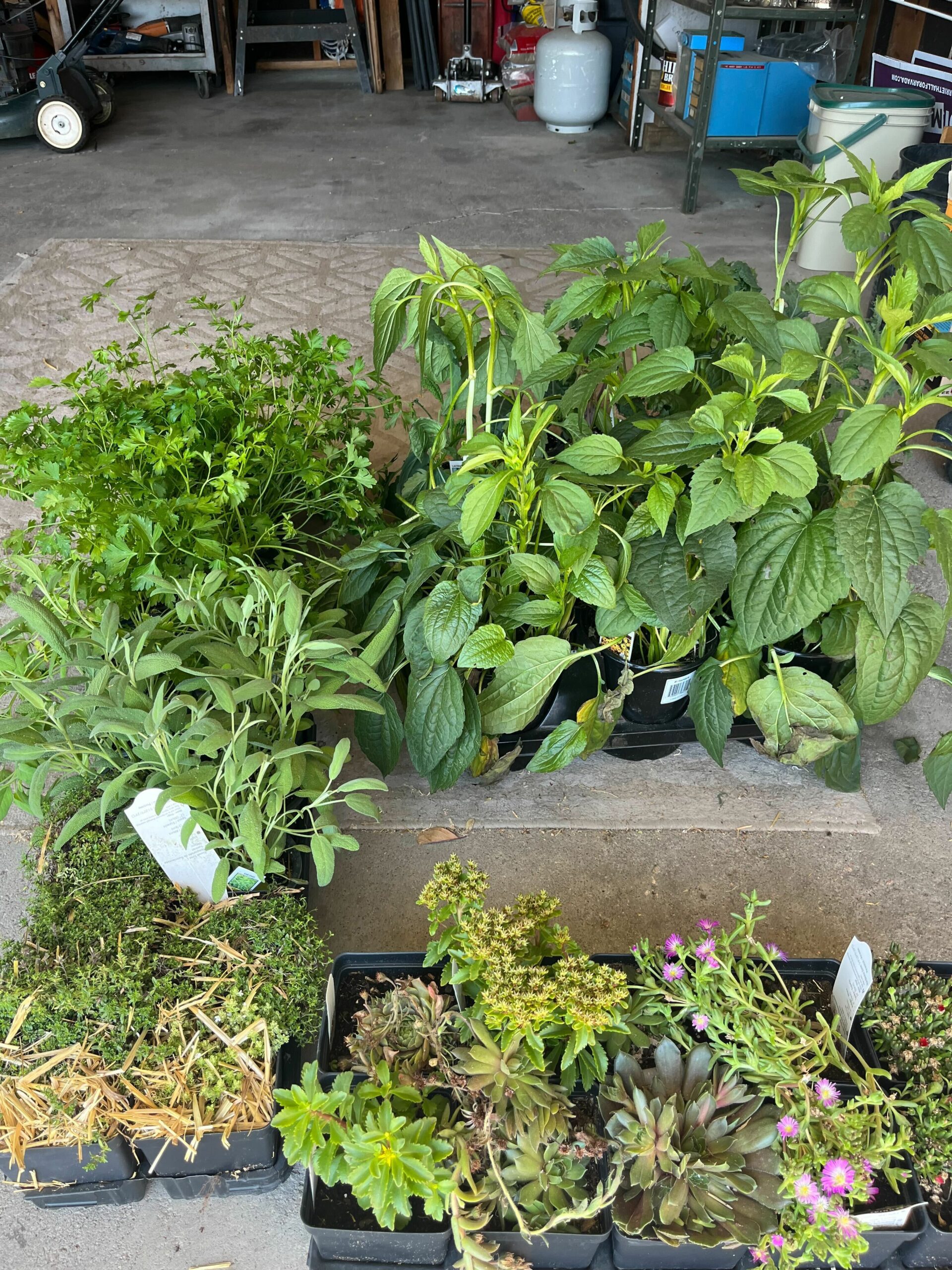
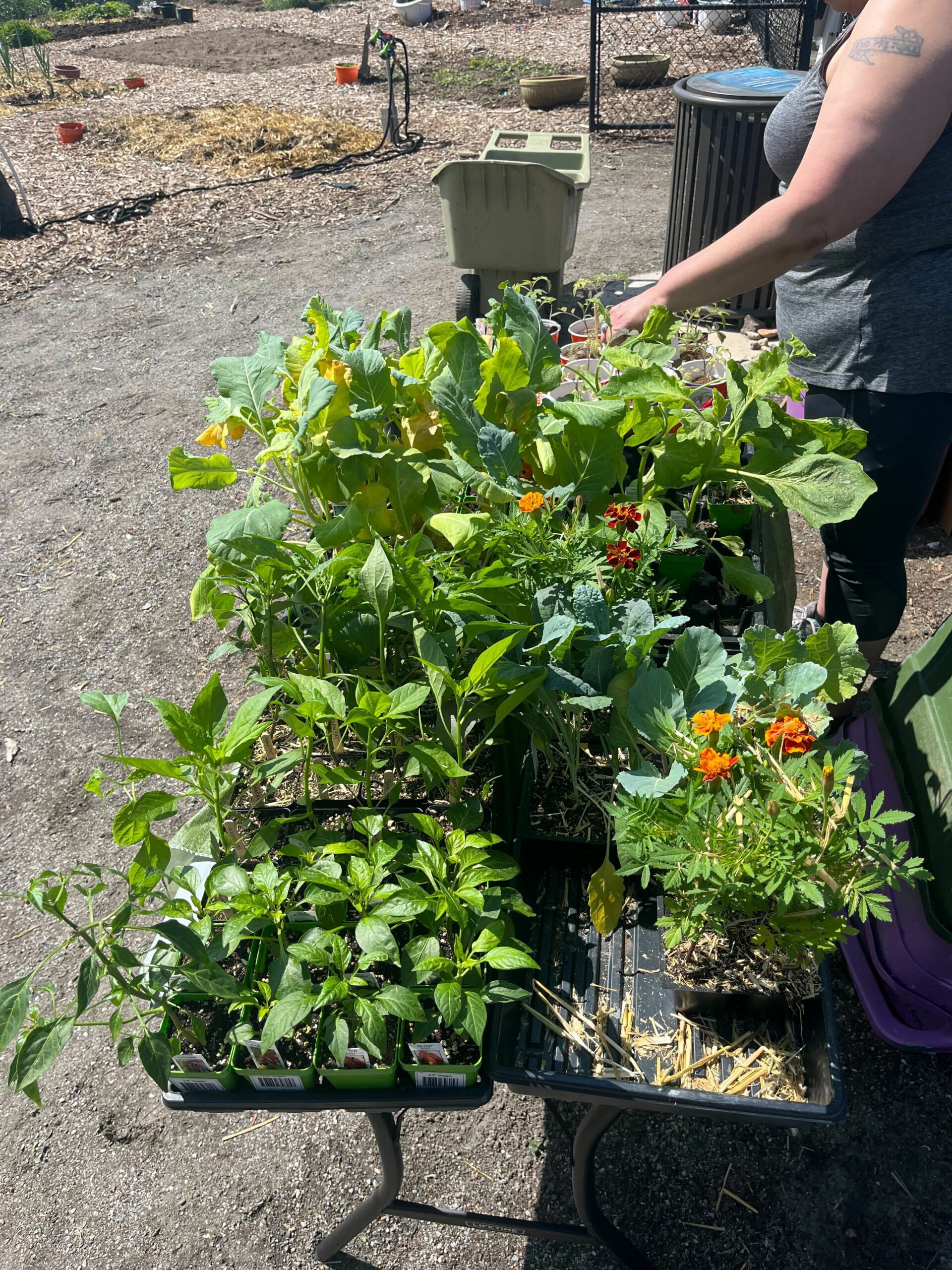
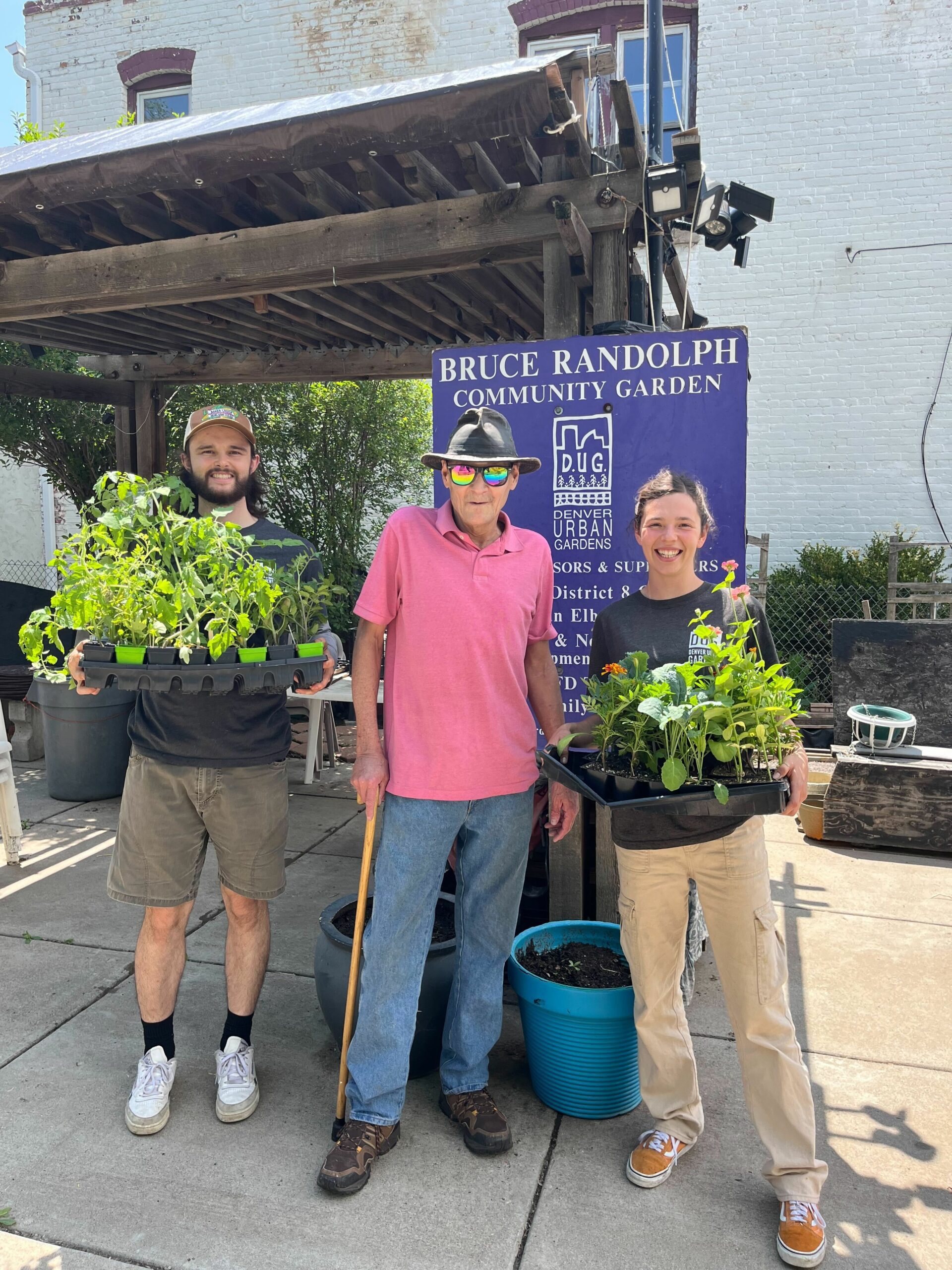
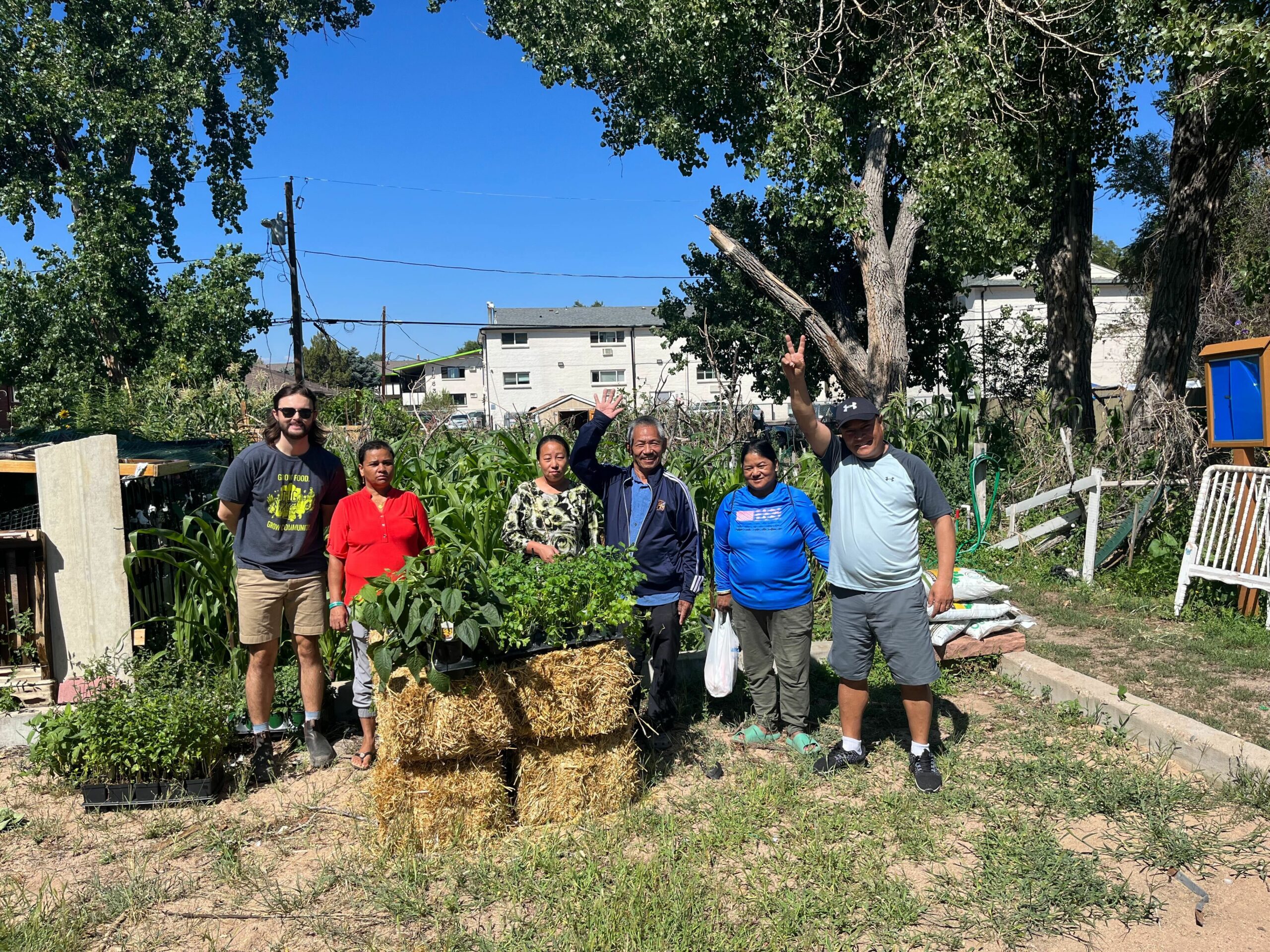
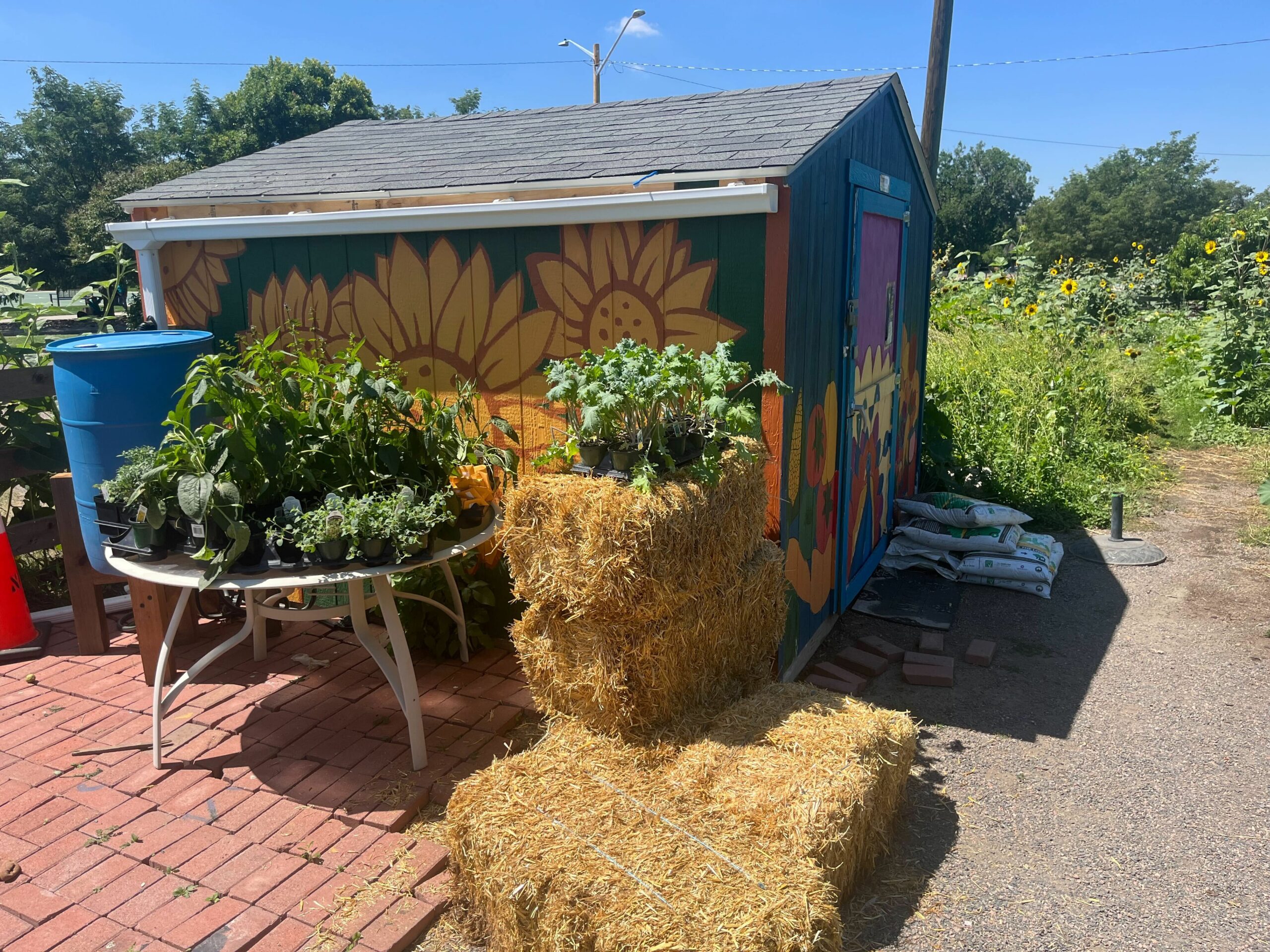
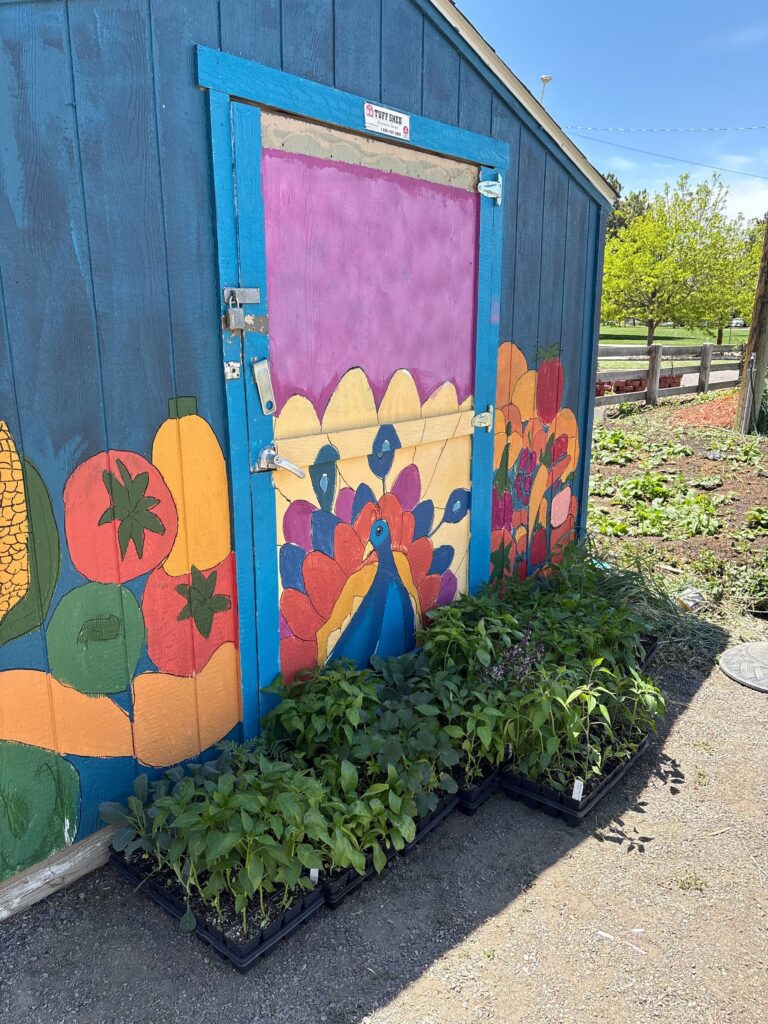
- Seedlings
- Straw Mulch
- Seed Potatoes
- Cover Crop
Eligibility Requirement for Supplies:
DUG prioritizes supporting community gardens within our network with a demonstrated resource need. We reference the USDA Economic Research Service’s resource for Low Income and Low Access (LILA) populations to support our expanding efforts. You can view a map overlay of LILA neighborhoods and DUG’s network of community gardens here!
As of February 2024, 1/2 of DUG’s open-to-the-public community gardens (or 68 gardens) are supported by BII.
What BII Success Looks Like:
All garden plots are fully utilized.
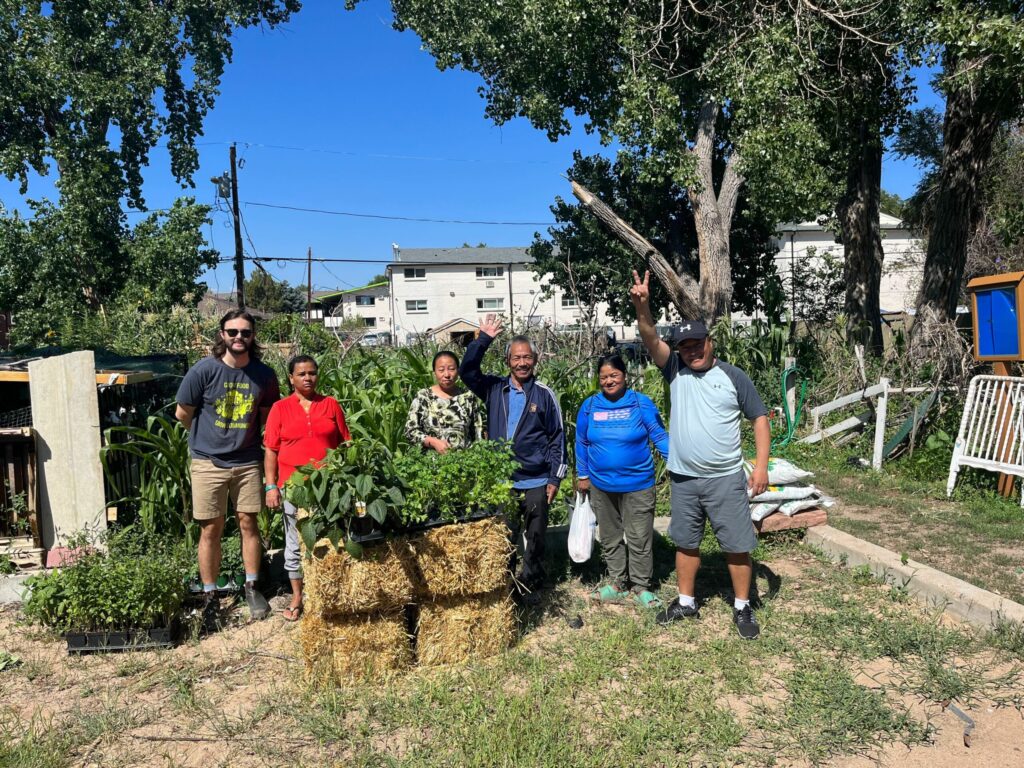
To achieve this outcome, DUG will provide translation or interpretation support for plot applications to overcome language and technology barriers, develop and distribute multilingual resources for DUG mentorship and educational programming, recruit representational leadership at all gardens, and provide support for community-building events.
All gardens meet a baseline physical infrastructure standard.
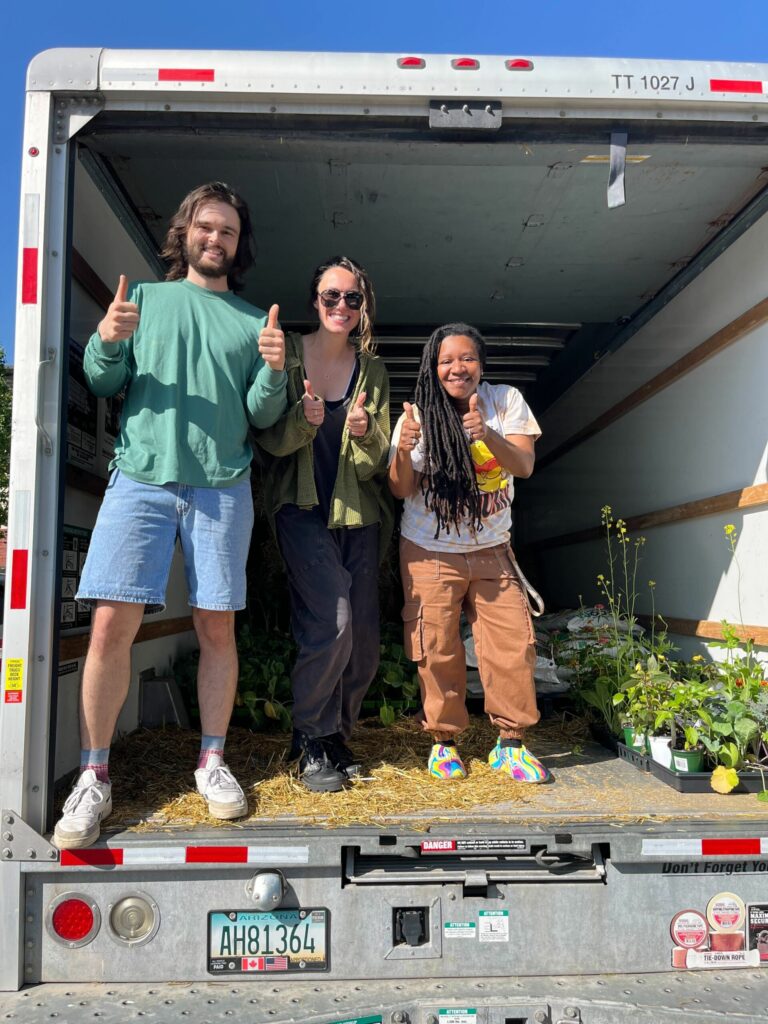
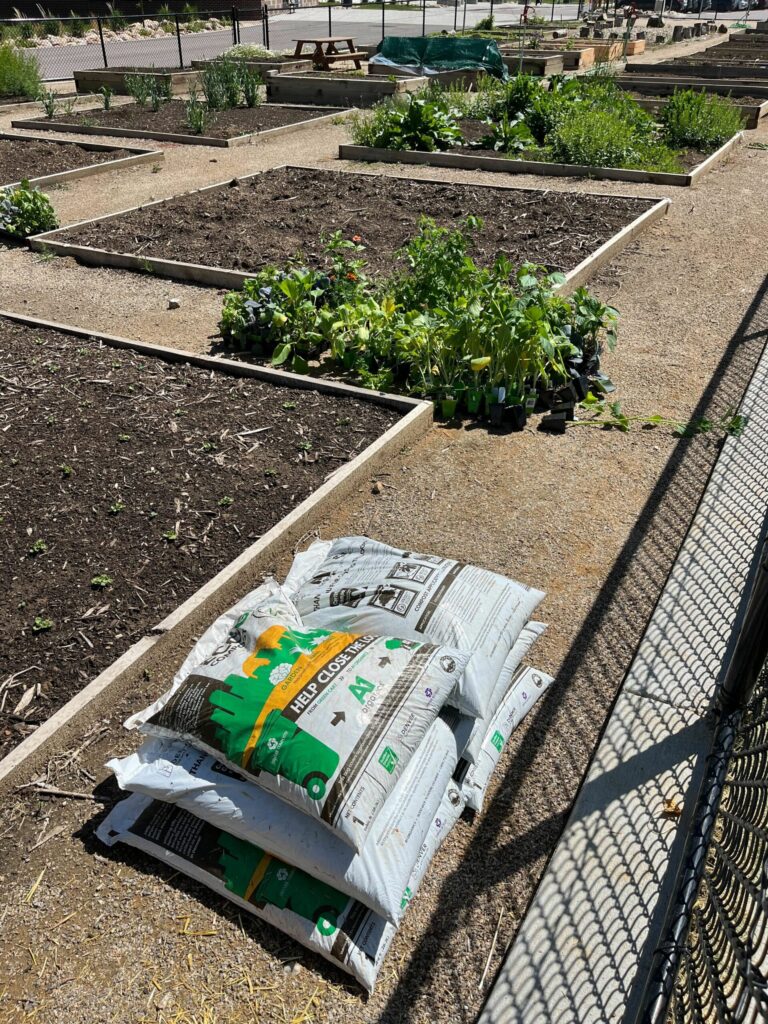
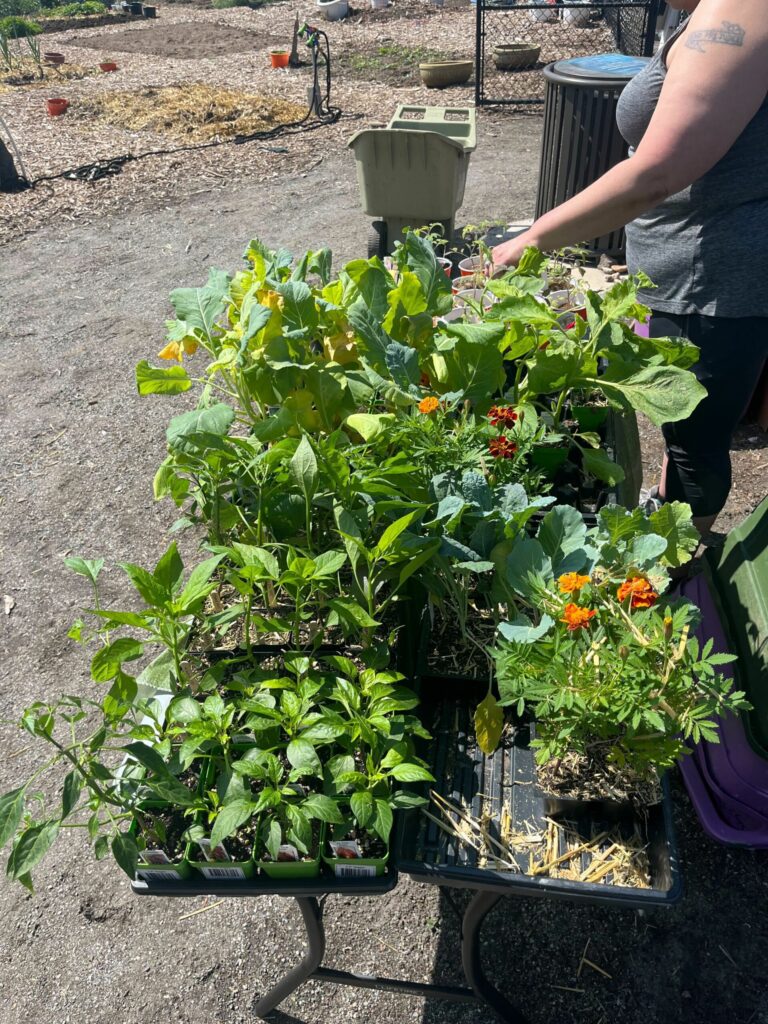
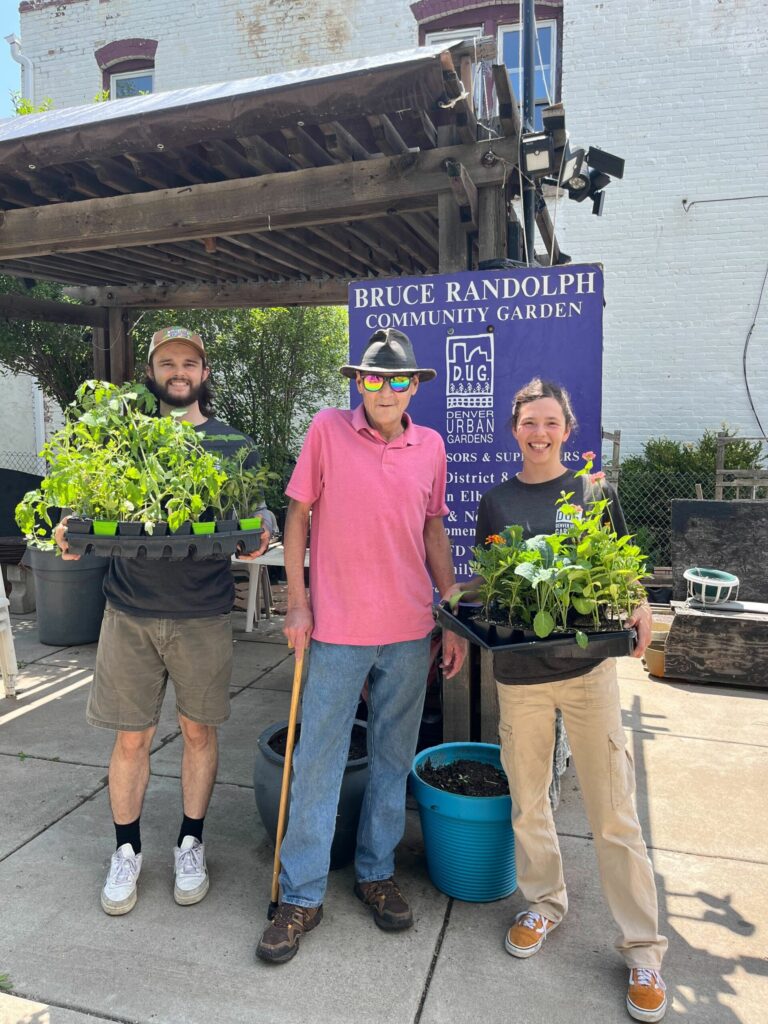
This entails completing regular repairs and improvements to at-need gardens, including providing water access, shade structures, and tool storage. This also looks like delivering resources like compost, seeds, and seedlings, regardless of a garden’s ability to pay.
History & Impact
In 2020, DUG sought feedback from more than 500 stakeholders in order to gain insight into what our community members needed from DUG. The feedback had a common theme: community gardeners and Garden Leaders wanted and needed more of DUG. Our gardeners asked for more support, education, leadership training, community building, and to ensure equity across the network. In response, in 2021 DUG launched our new Baseline Infrastructure Initiative (BII).
In 2024, our impact was:
240
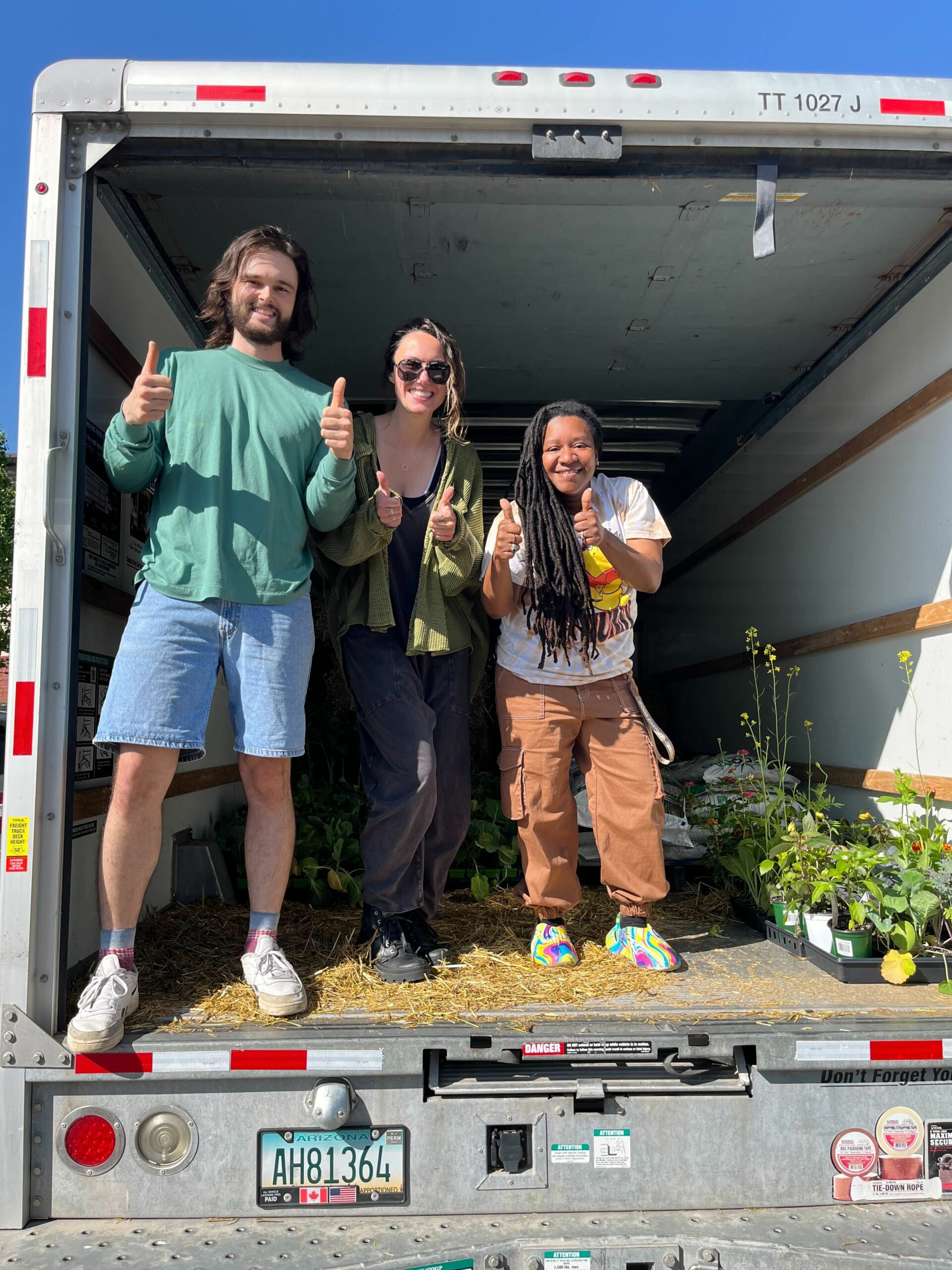
Straw Bales and Compost Bags Delivered
3,872
Food-Bearing Plants Given
14,262
Community Members Served
LAND ACKNOWLEDGEMENT
Denver Urban Gardens and its staff and board honor the land on the unceded territories of the Tséstho’e (Cheyenne), Hinono’eino’ biito’owu’ (Arapaho), Núu-agha-tʉvʉ-pʉ̱ (Ute), and Očhéthi Šakówiŋ, as well as 48+ other tribes with ties to this region.
May our stewardship of this land support the collective work to dismantle ongoing legacies of oppression and inequities as well as recognize the current and future contributions of indigenous communities.
WHAT DUG DOES
- Prefaces volunteer workdays and educational workshops with DUG’s land acknowledgement statement
- Incorporating land use and ethics into trainings and discussion topics
- Inviting land blessing ceremonies for garden openings and season launches at community gardens
- Welcoming indigenous gardeners and partners into DUG growing spaces and programming.