Sustainability at DUG
Secure a thriving and resilient Denver*
Secure a thriving and resilient Denver*
Secure a thriving and resilient Denver*
Secure a thriving and resilient Denver*
Secure a thriving and resilient Denver*
Secure a thriving and resilient Denver*
Secure a thriving and resilient Denver*
Secure a thriving and resilient Denver*
Sustainability at Denver Urban Gardens (DUG) is rooted in creating resilient, community-driven green spaces that support both people and the planet. Across our network of community gardens and food forests, DUG promotes regenerative practices like composting, water-wise gardening, soil health stewardship, and biodiversity through pollinator-friendly plantings. These spaces reduce food miles, increase local food production, and offer hands-on education that empowers residents to grow sustainably.
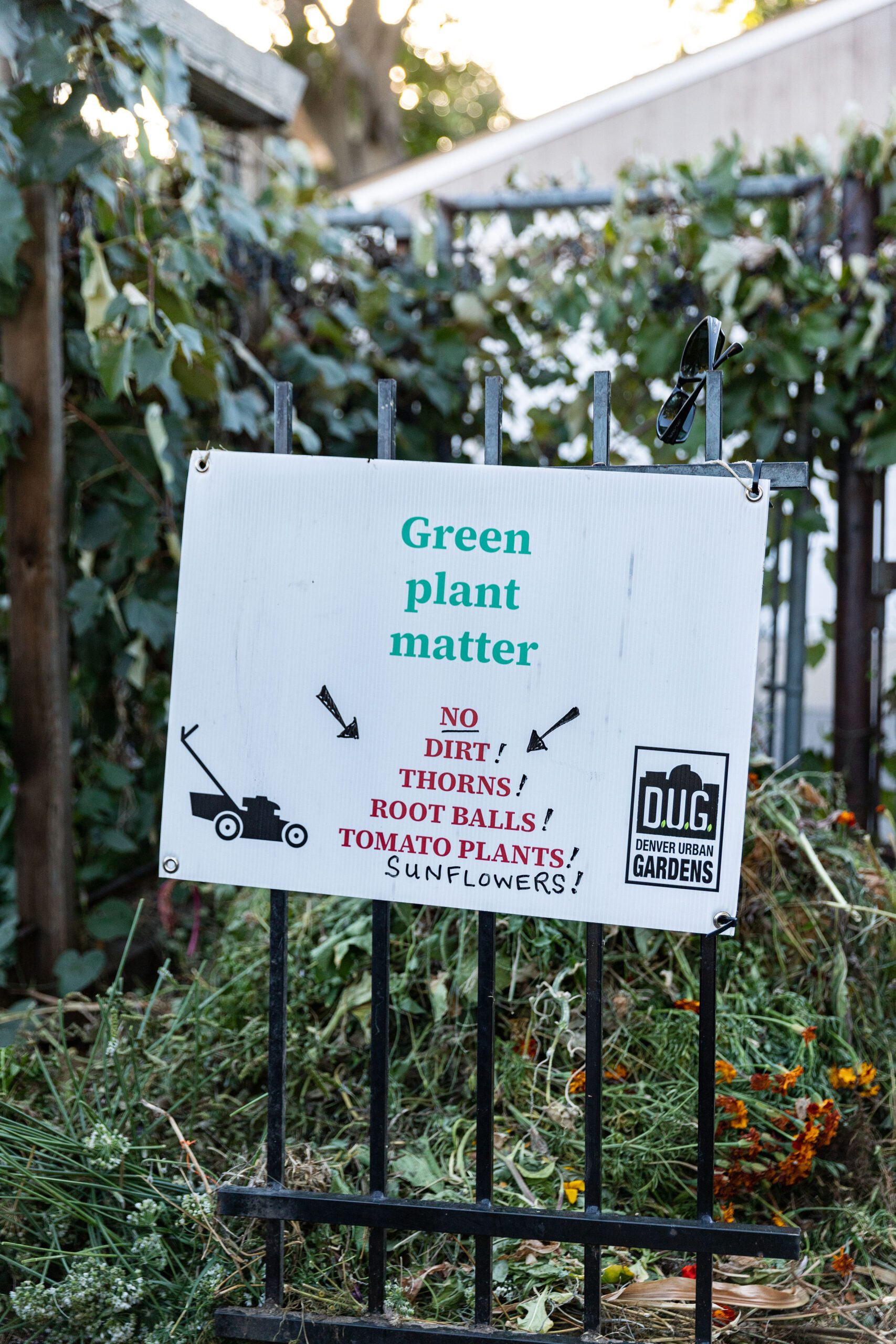
SIGNAGE IN OUR GARDENS
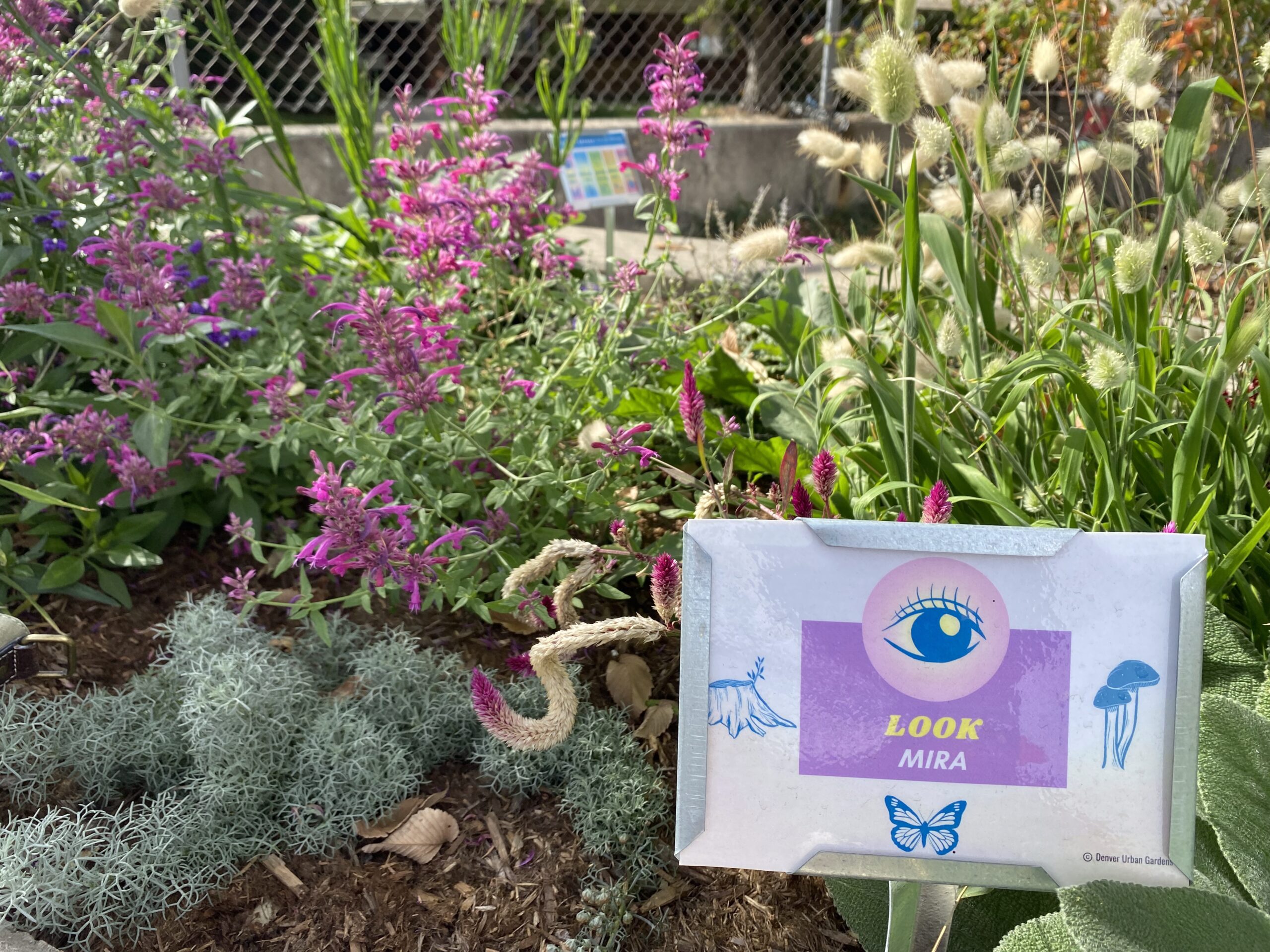
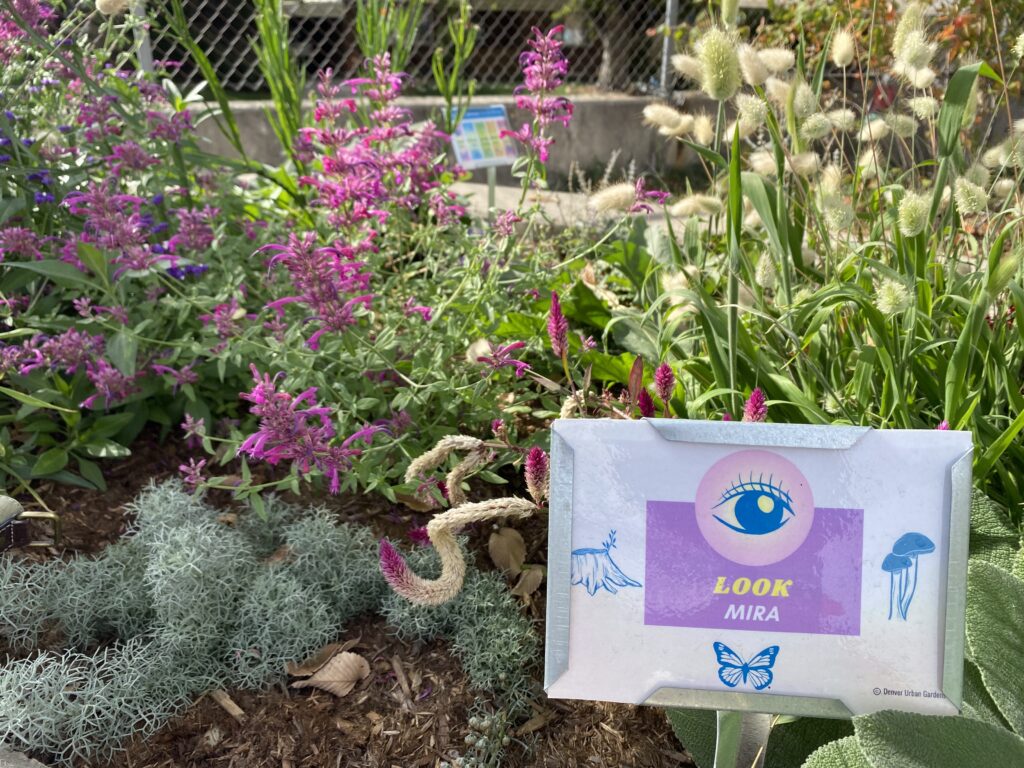
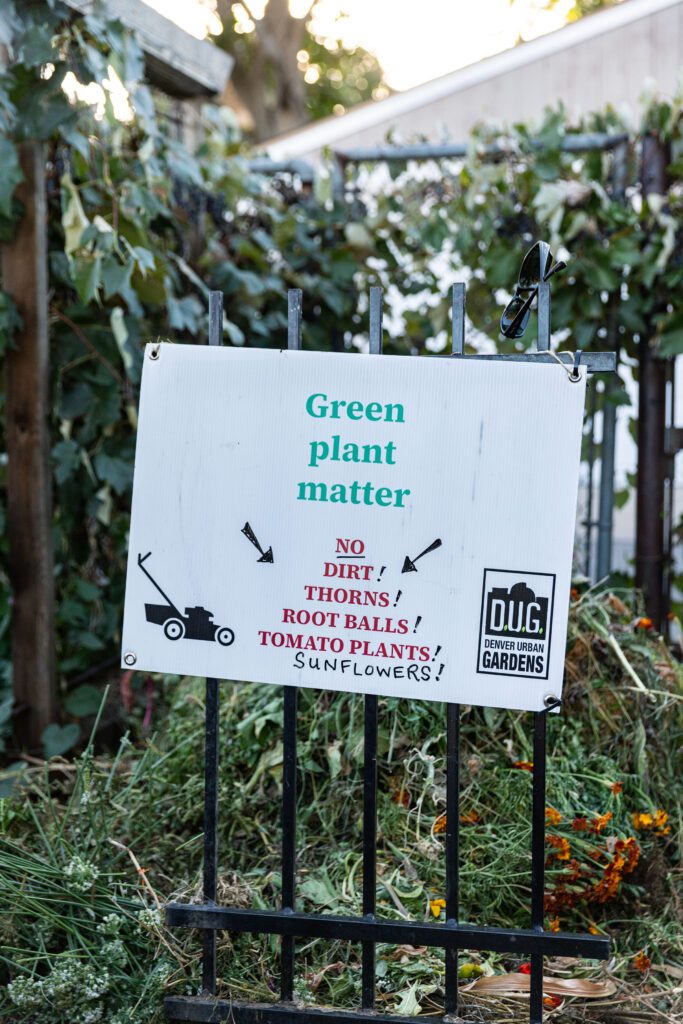
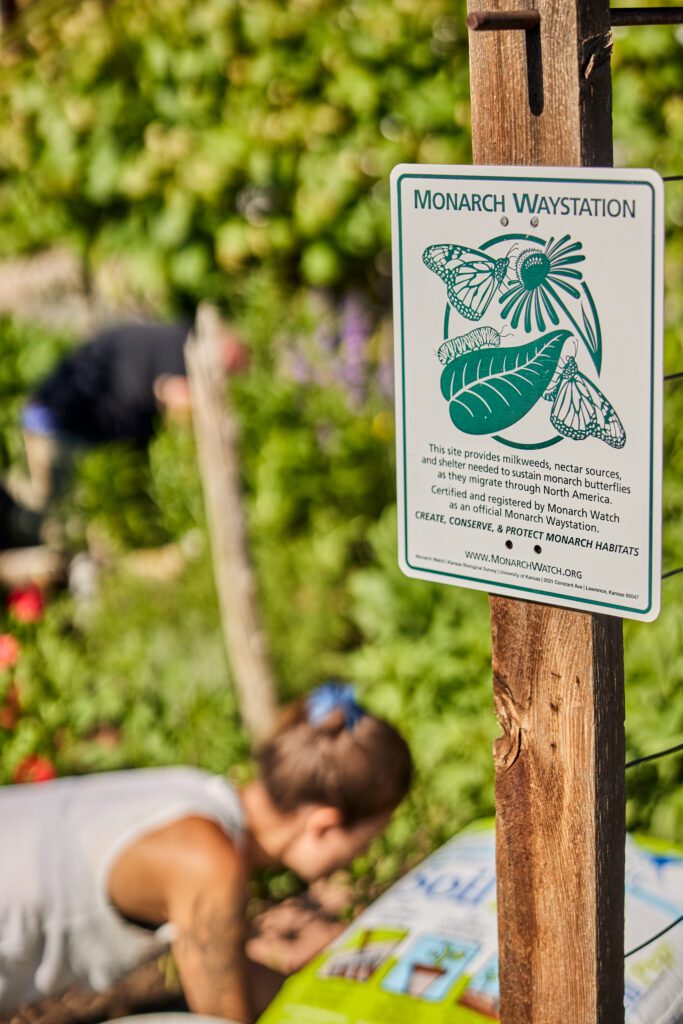
Thanks to the support from HDR, DUG has been able to implement key sustainability signage (below) in a few community garden spaces. Their role is to educate our community on our spaces’ climate practices, from thriving compost bins to water storage tanks.

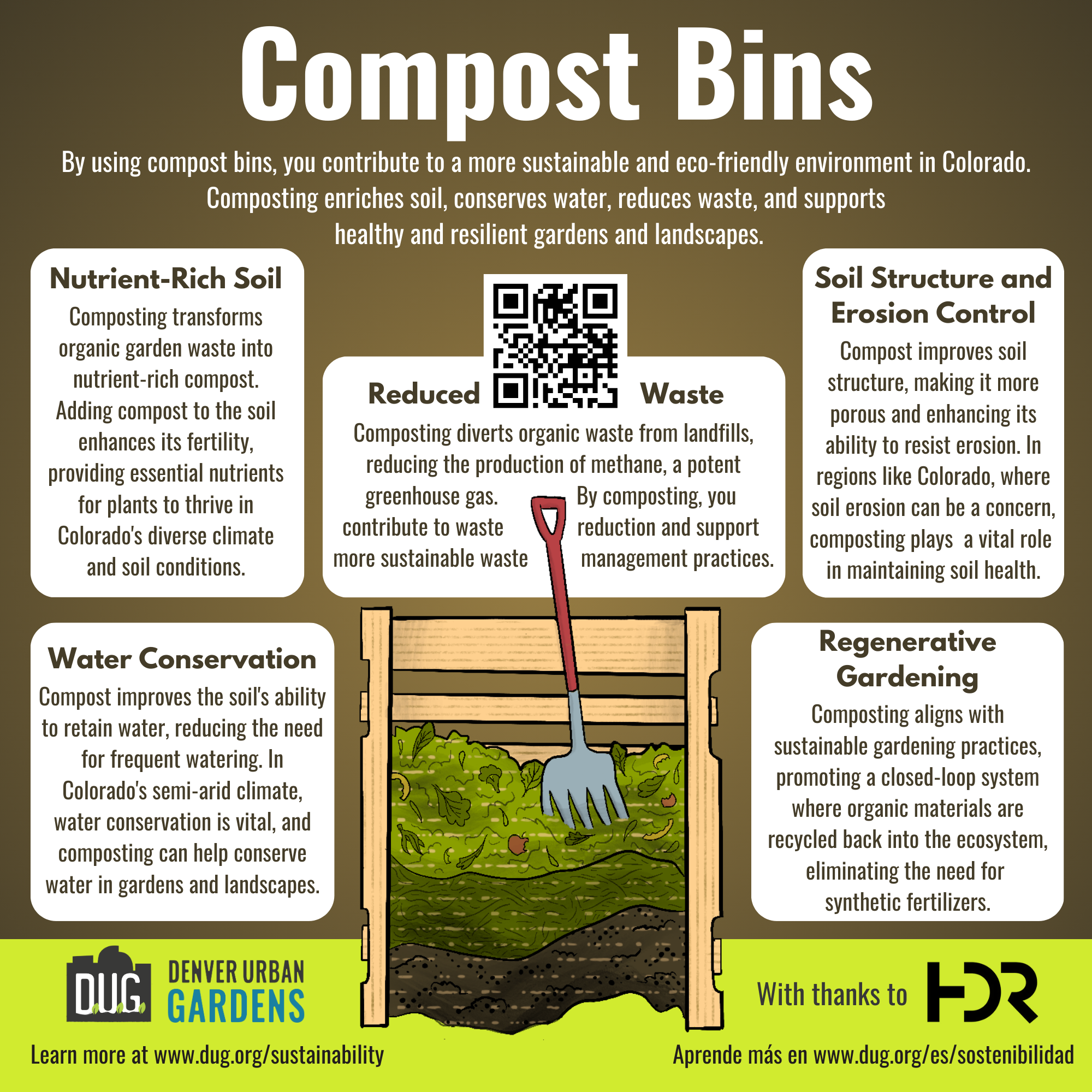
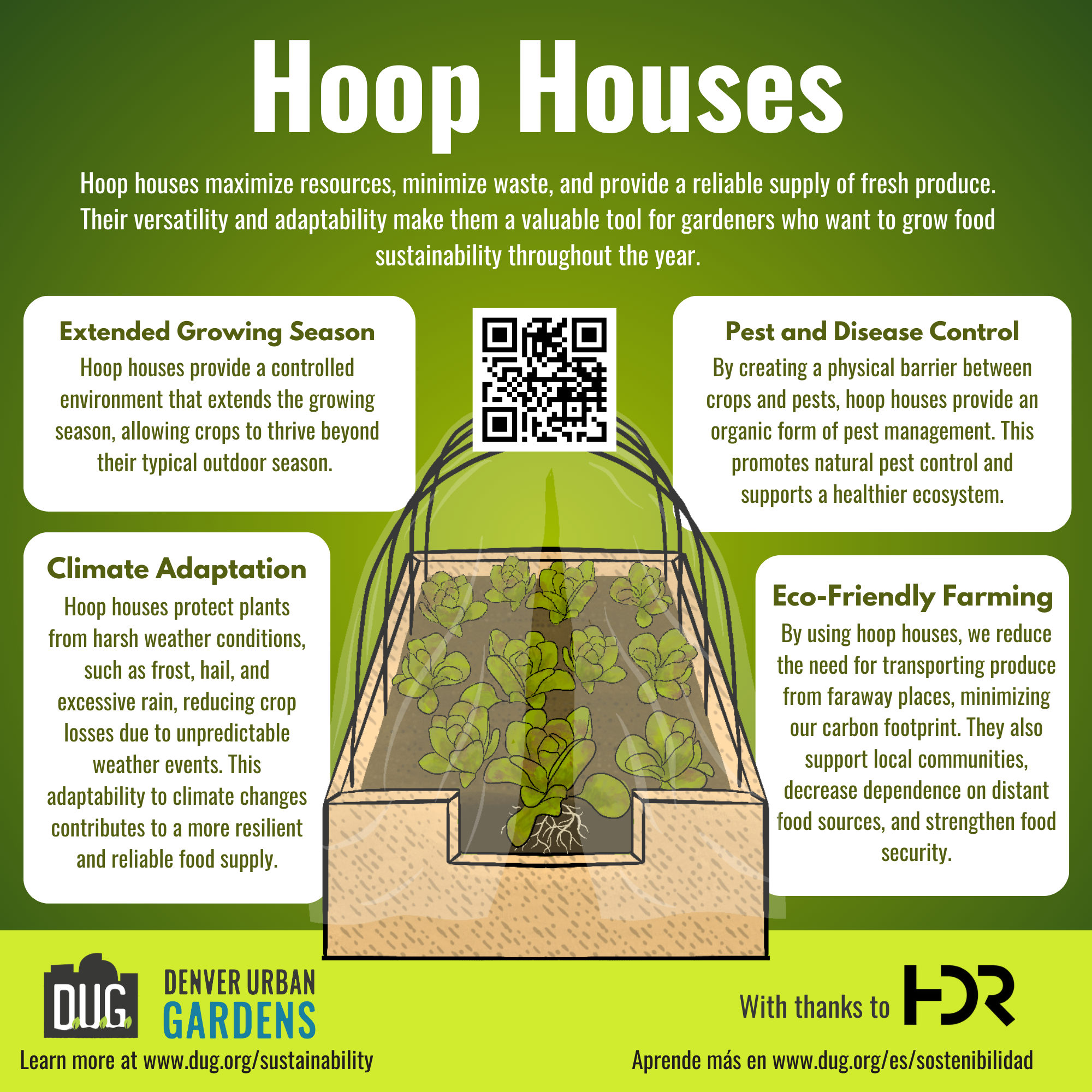
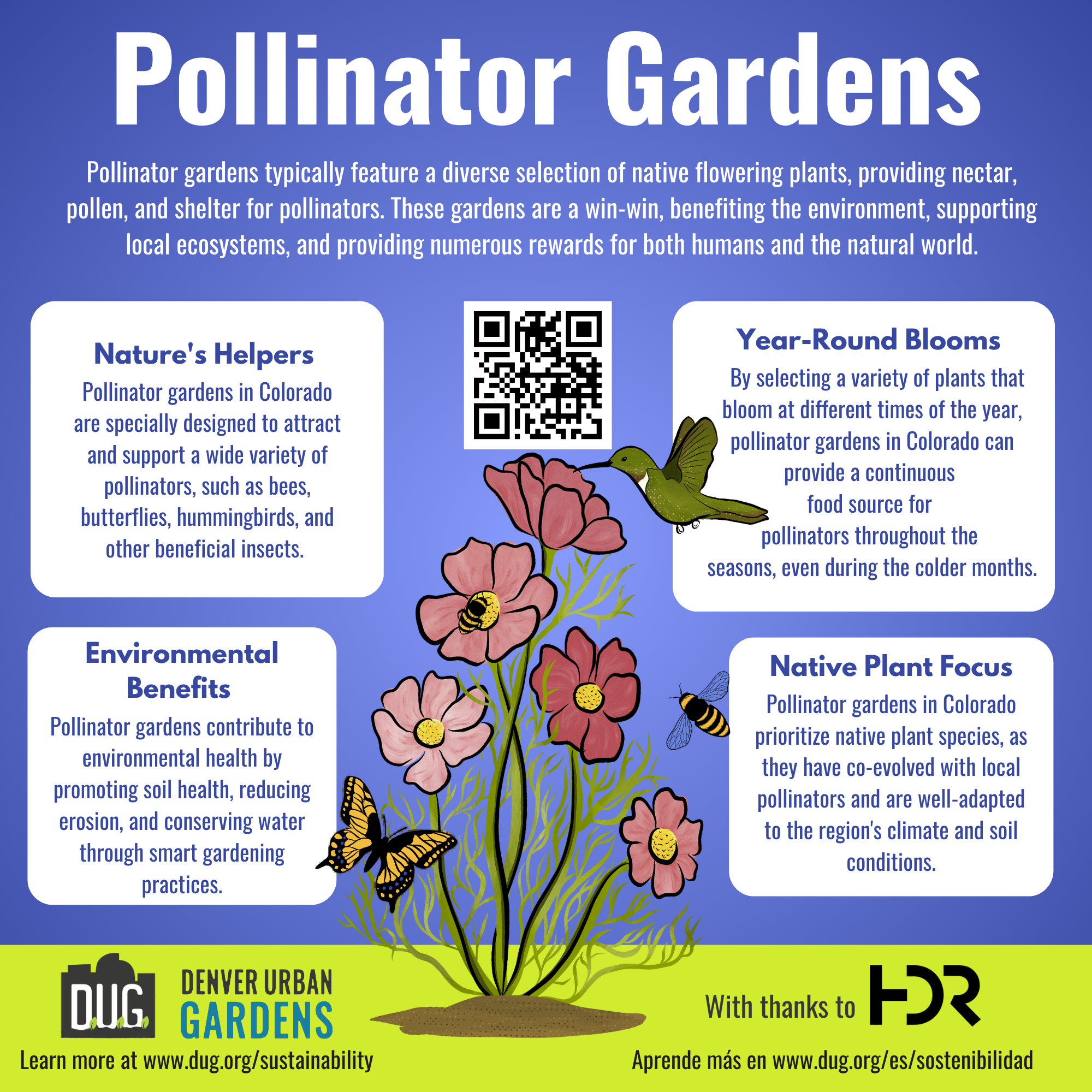
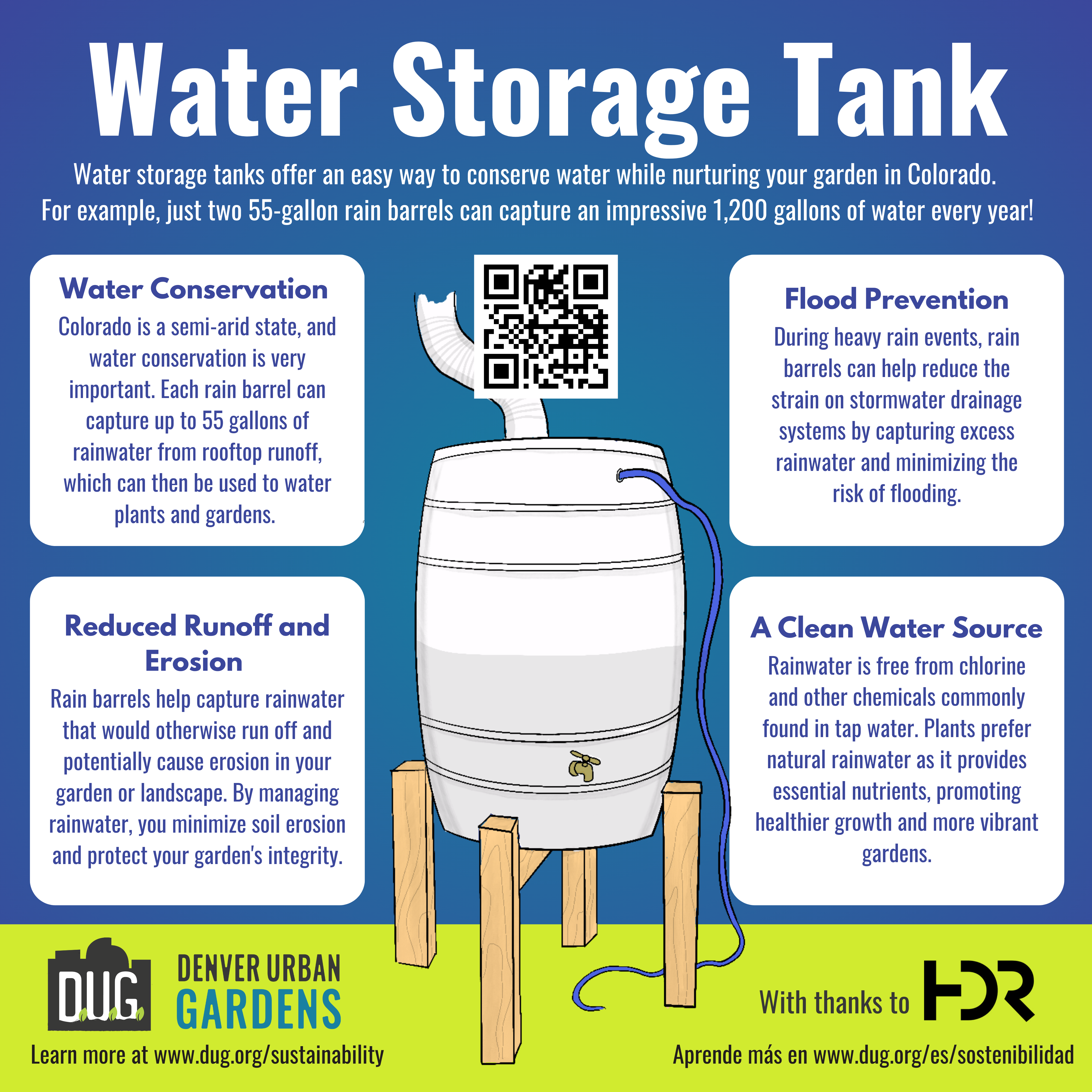
sustainability in dug gardens
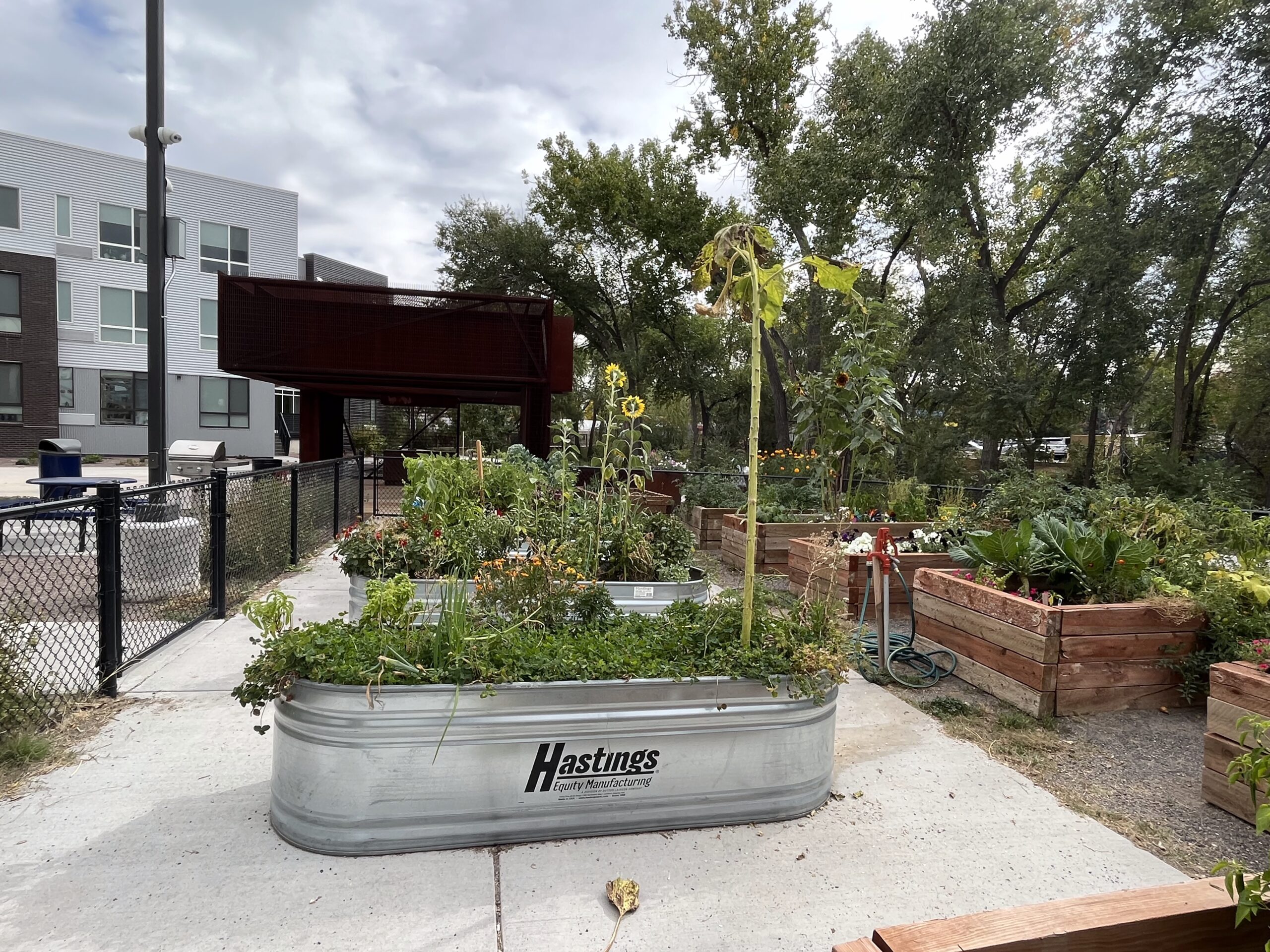
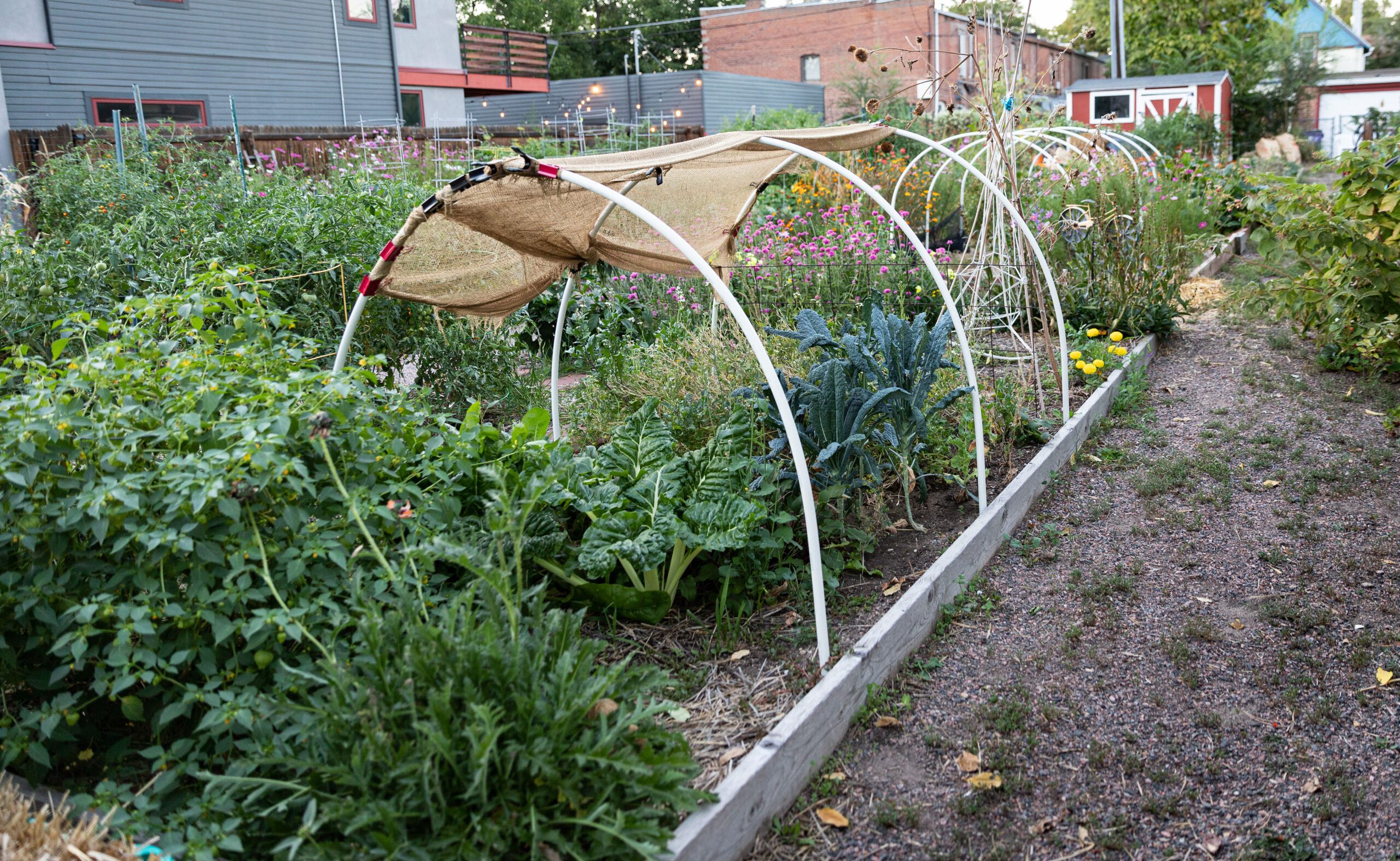
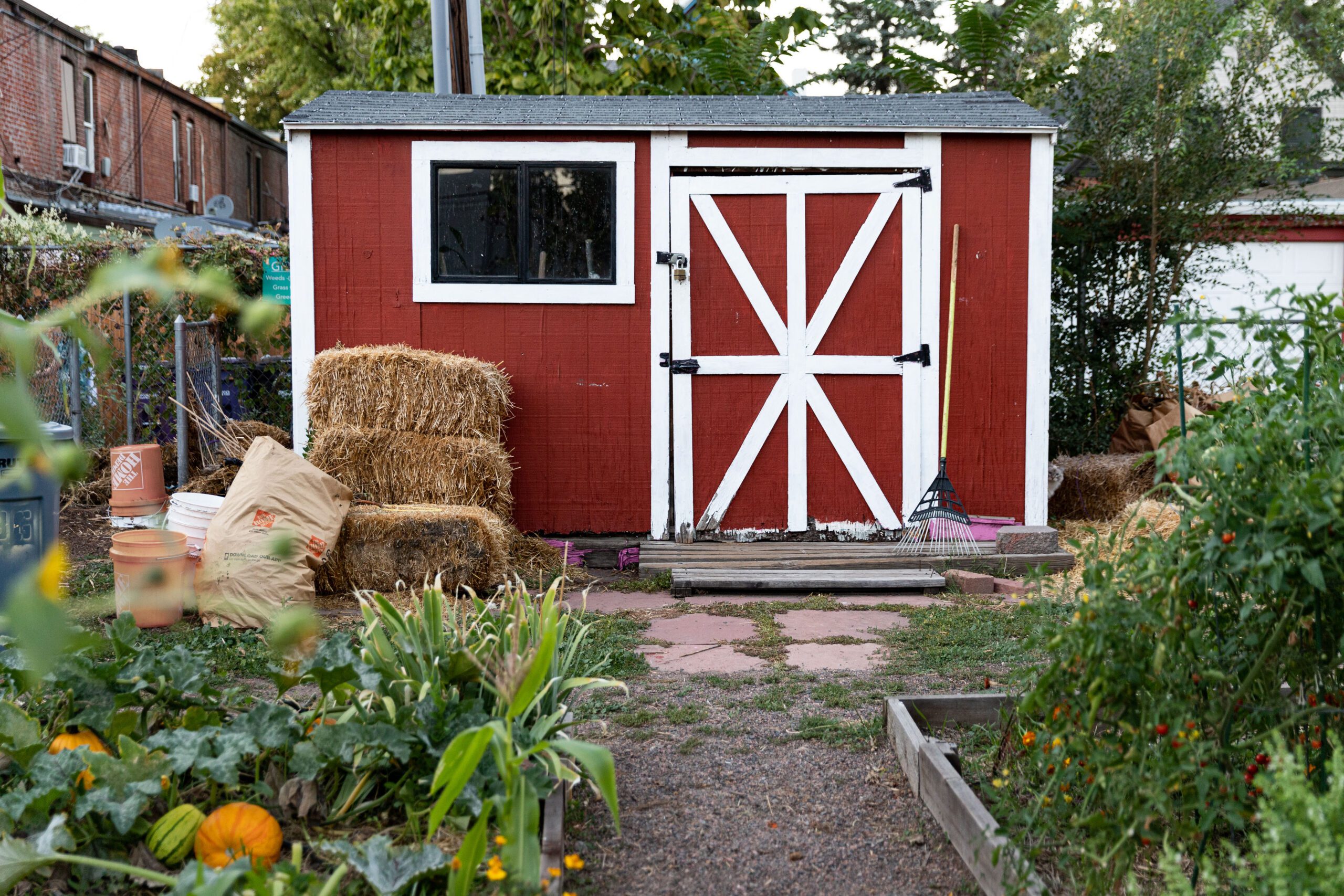
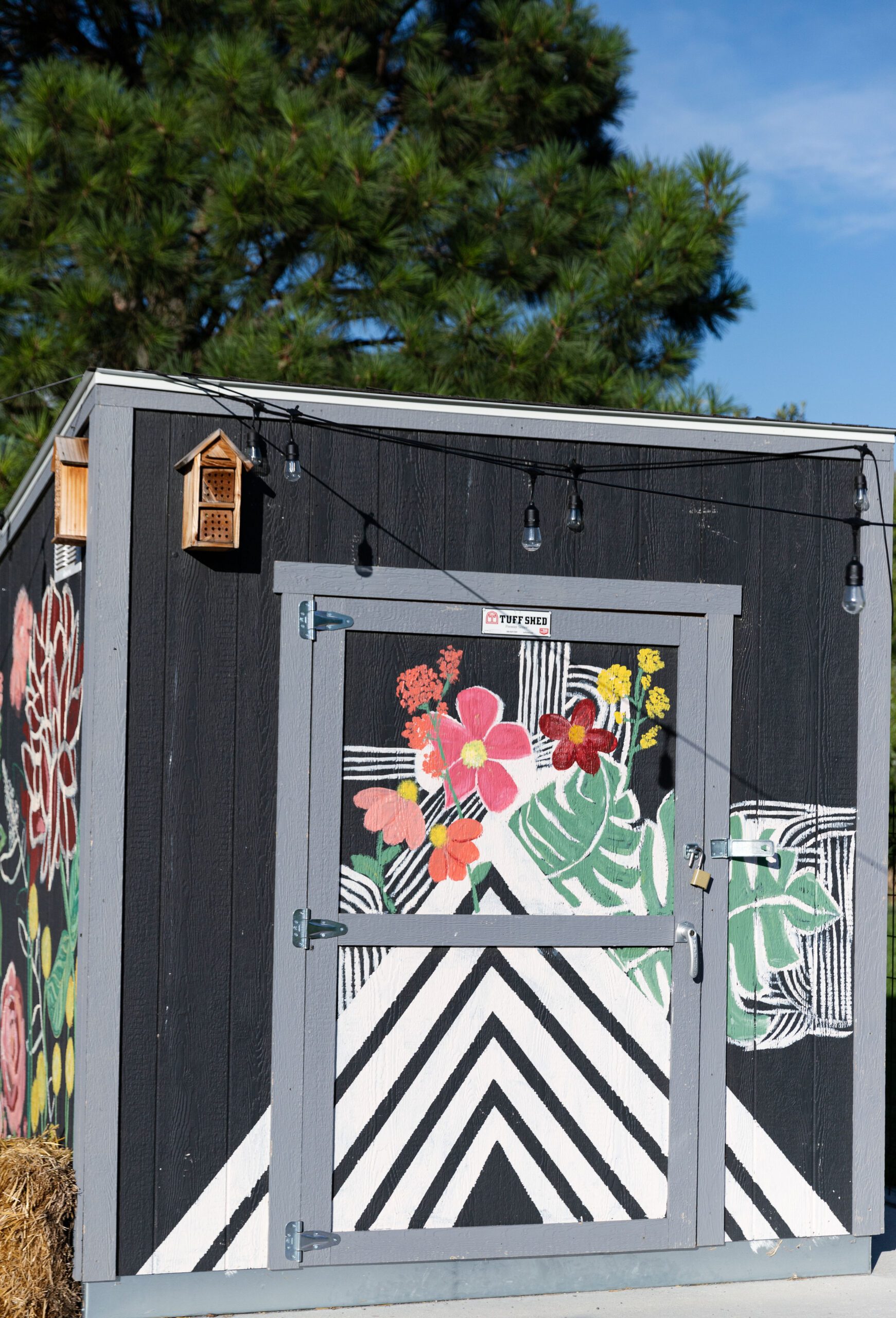
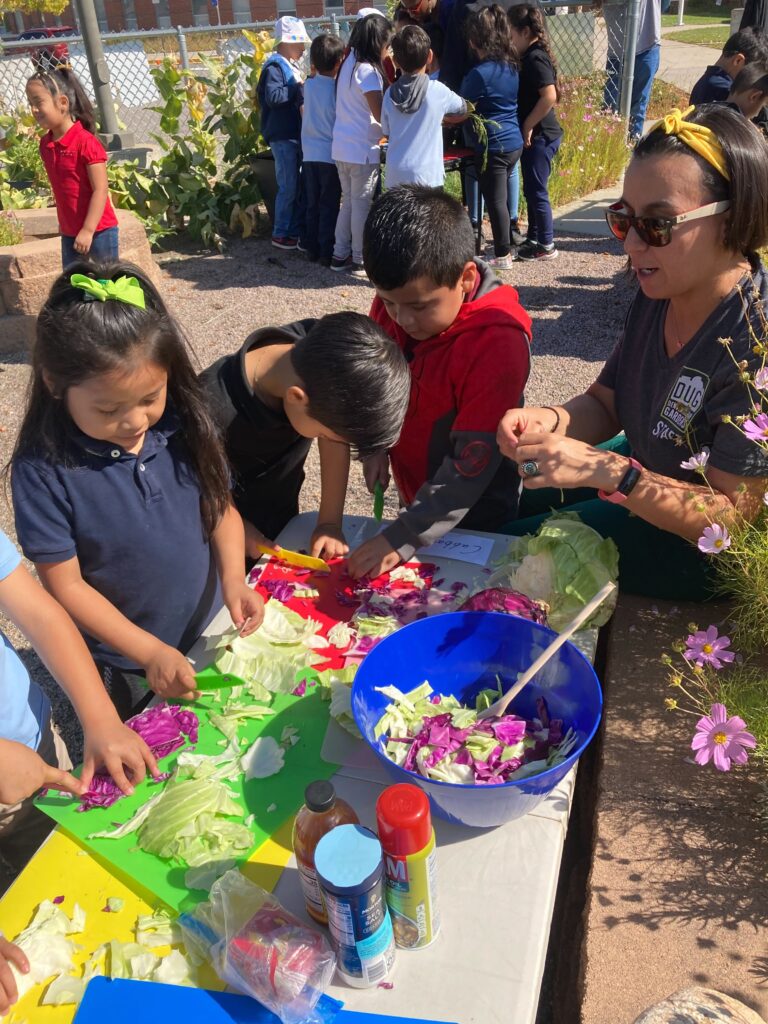
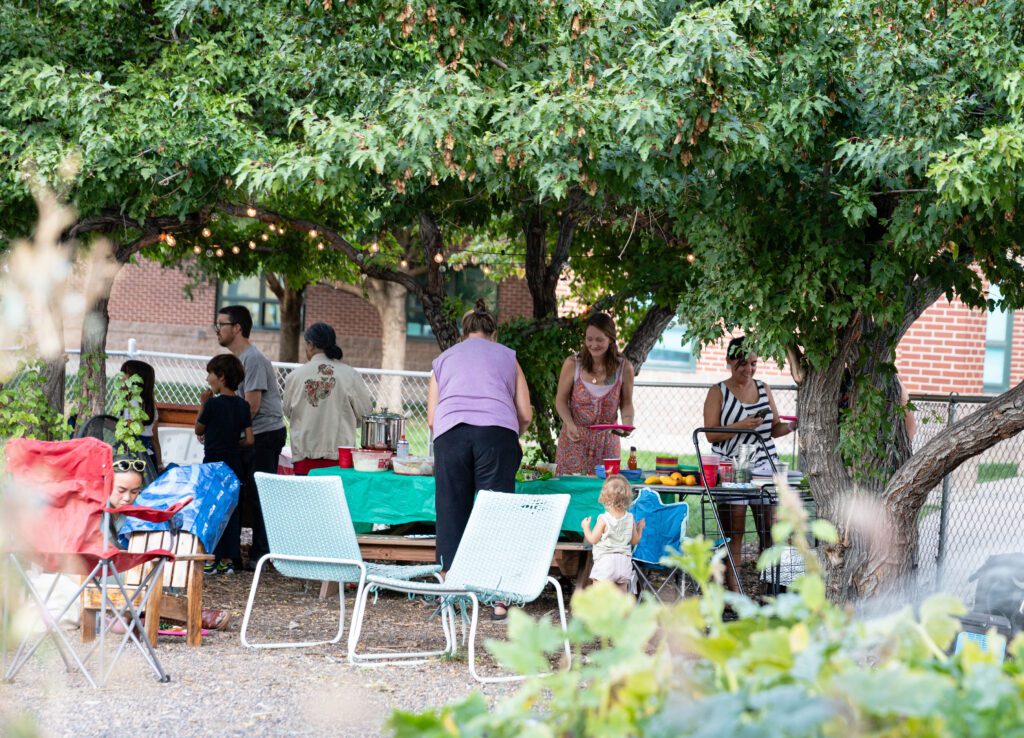
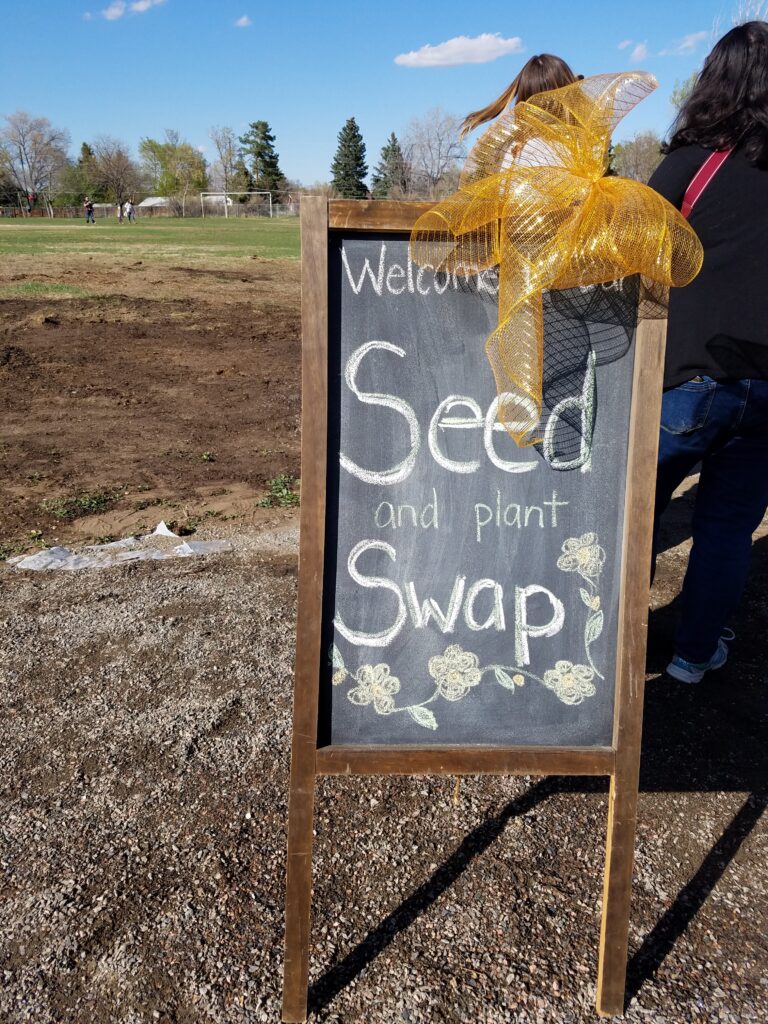
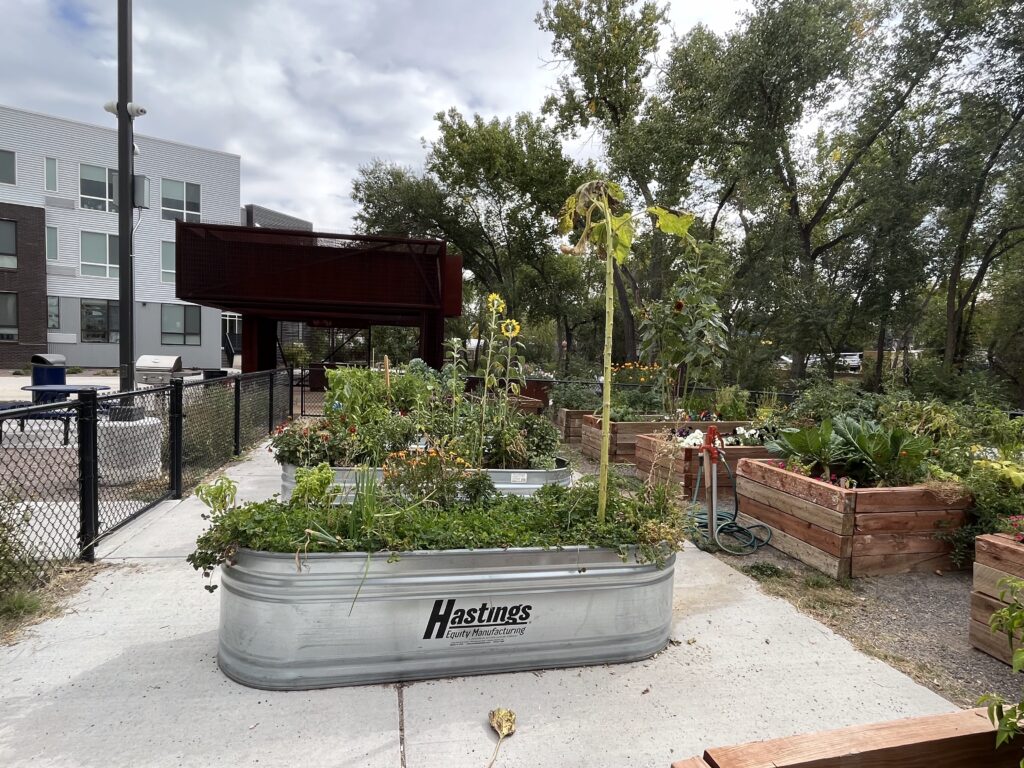
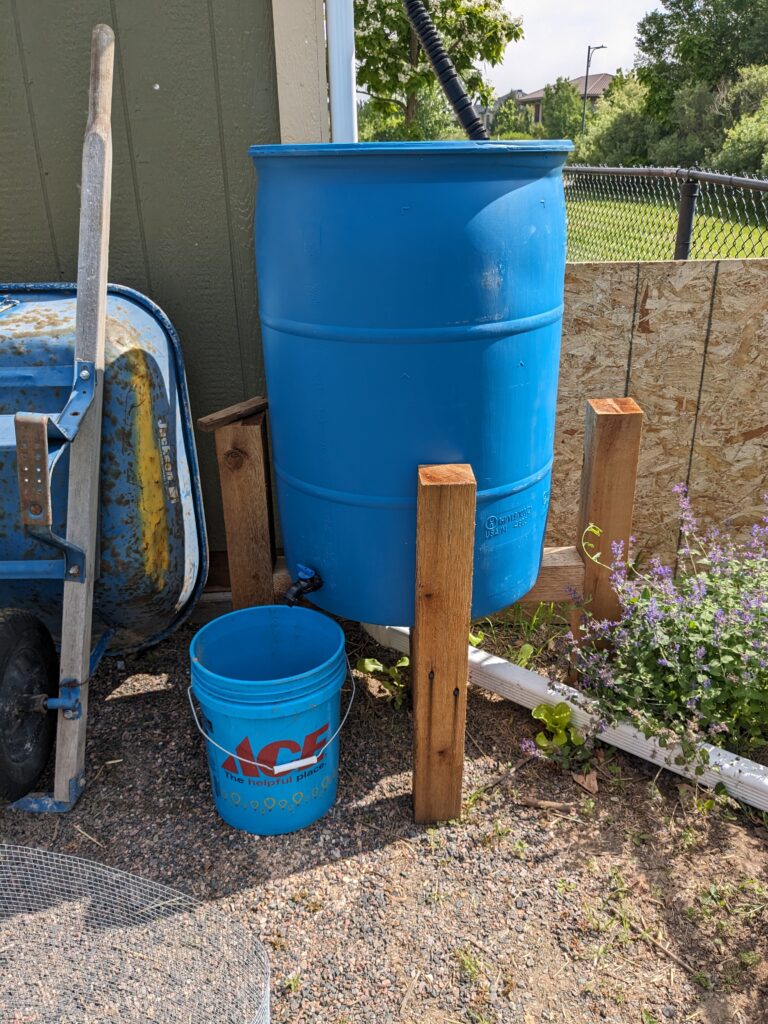
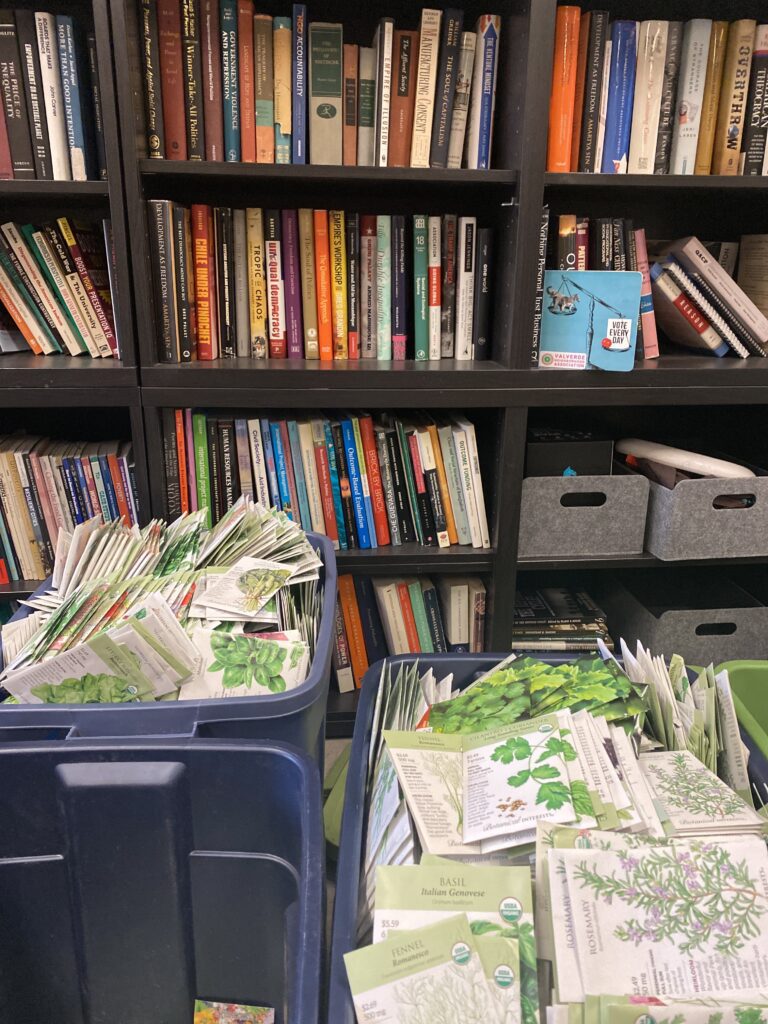
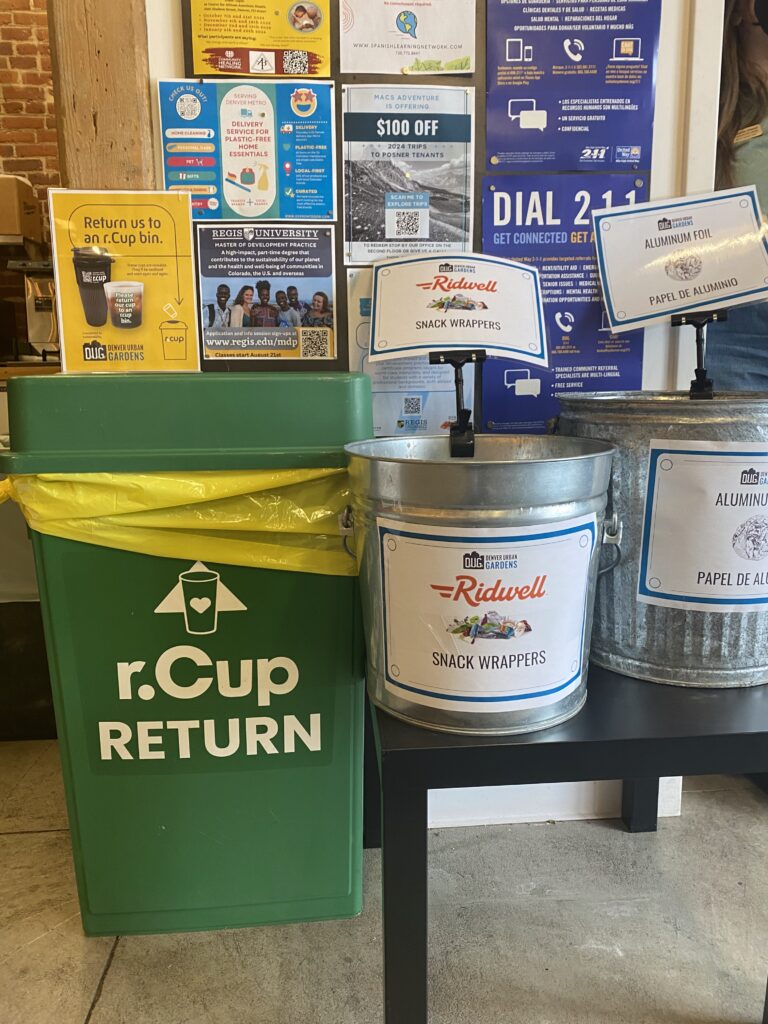
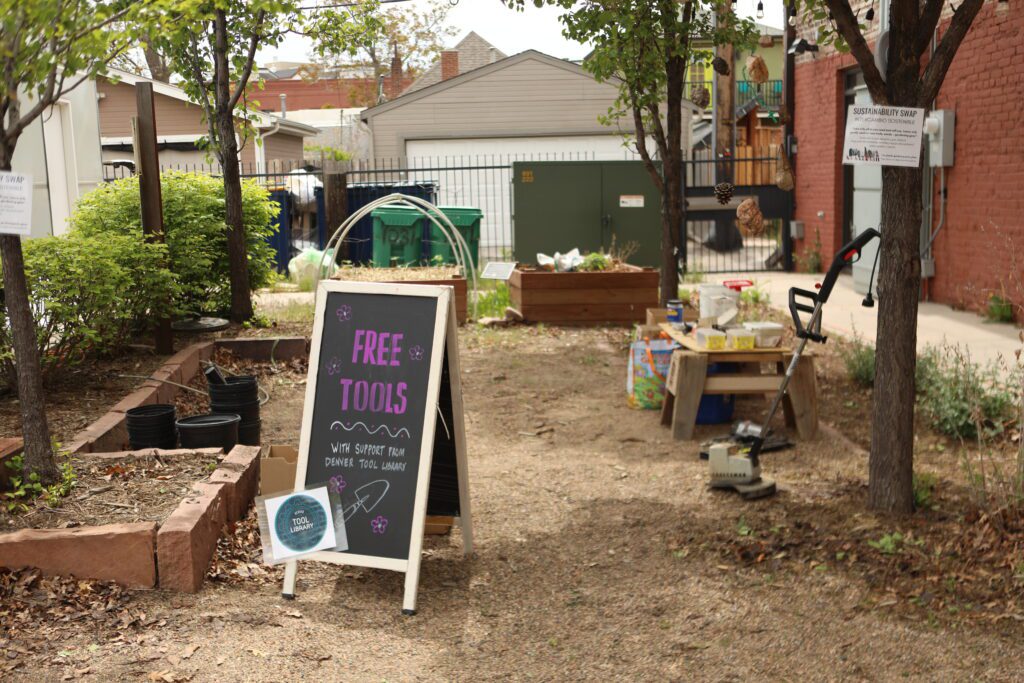
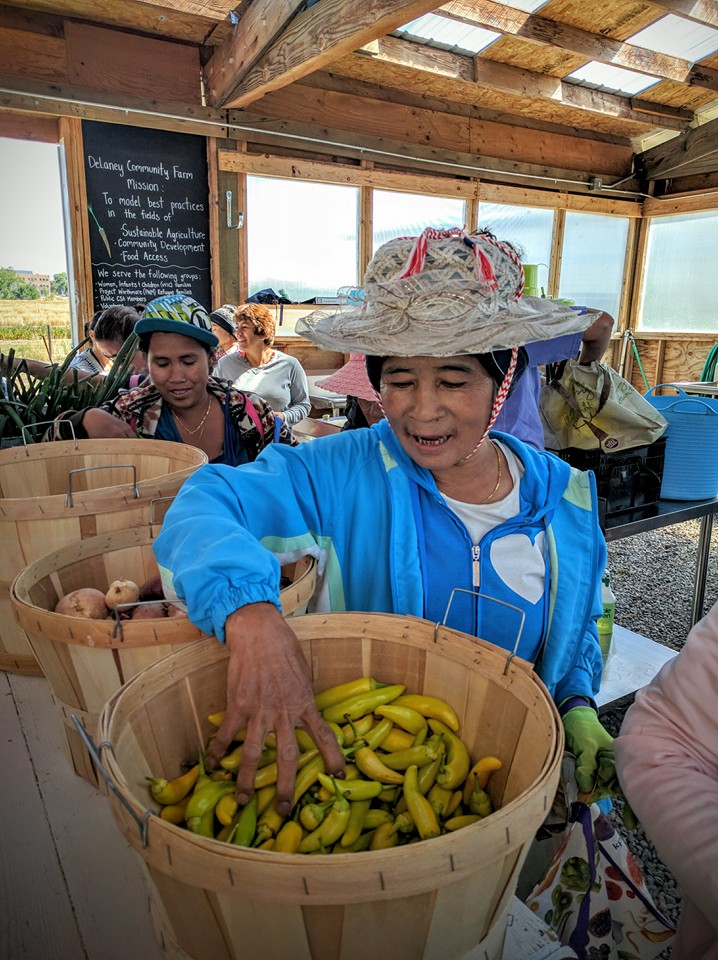
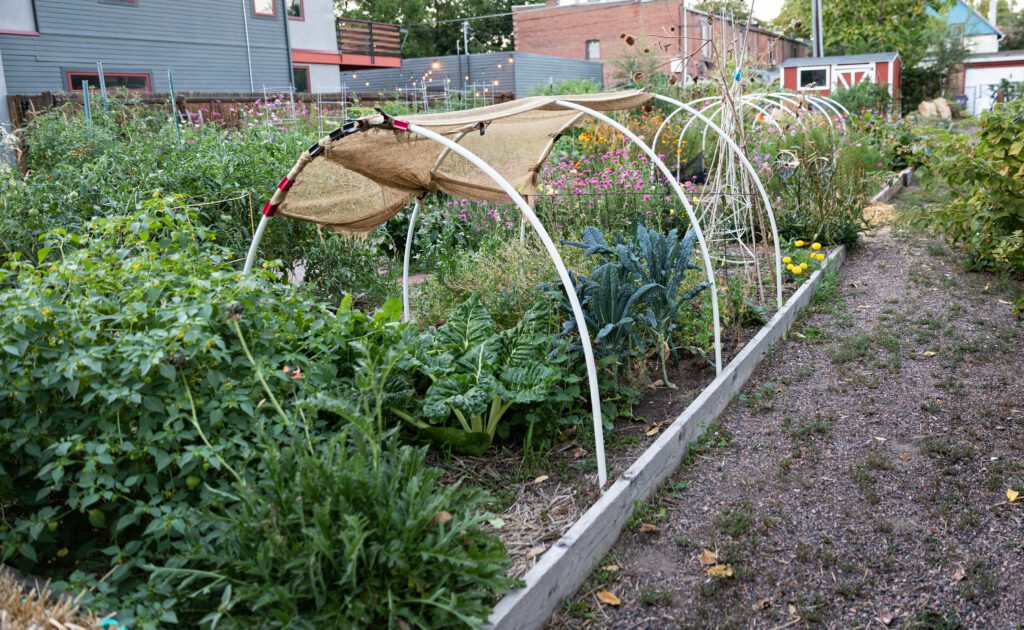
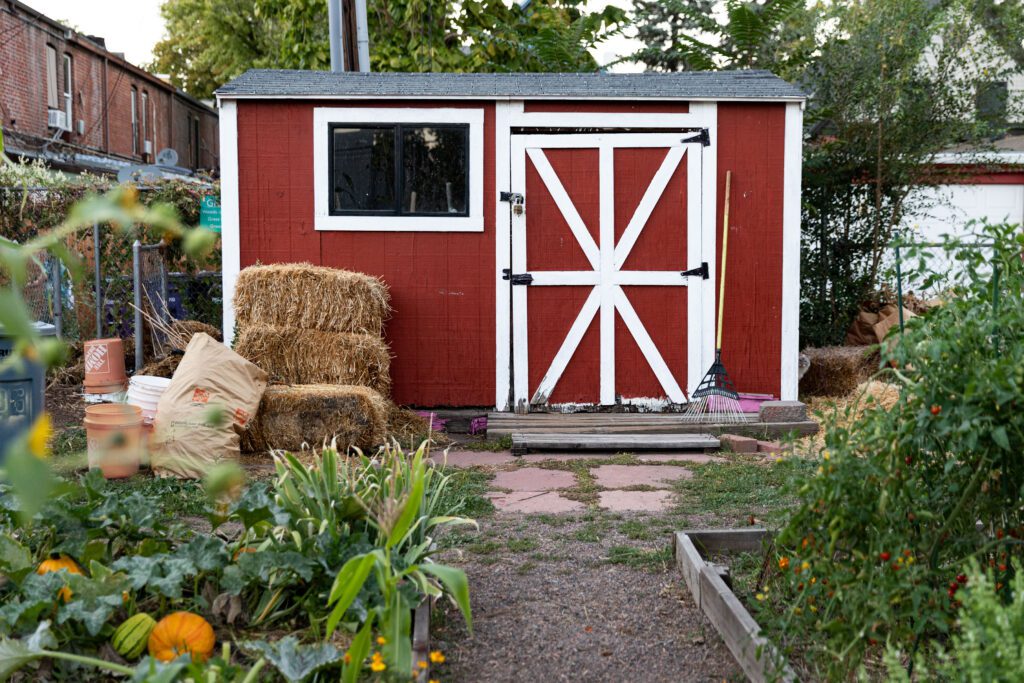
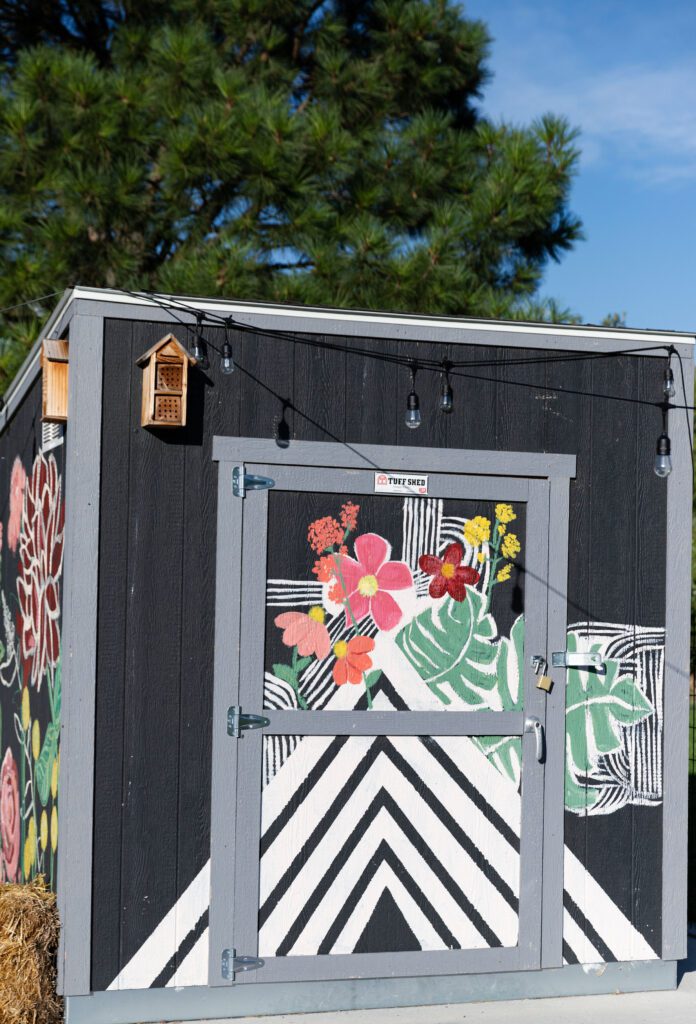
DUG’s community gardens and food forests are as diverse as the plants that grow in them and the gardeners who tend them. You’ll notice each growing space is a little bit different, showcasing its unique personality and creativity. From bee motels to drip irrigation systems and salvaged art, the sustainability features present are numerous. Just take a look below!



HOW WE PRACTICE SUSTAINABILITY
At DUG, sustainability is a daily practice rooted in community care. Across our community gardens and food forests, we steward the land through regenerative growing methods, thoughtful resource use, and collaborative leadership. From building healthy soil and conserving water to supporting biodiversity and increasing food access, our practices reflect a shared commitment to cultivating resilient, thriving spaces for people and the planet.
Soil Health and Regeneration
Focus: building long-term fertility, reducing waste, nurturing microbial life
Examples:
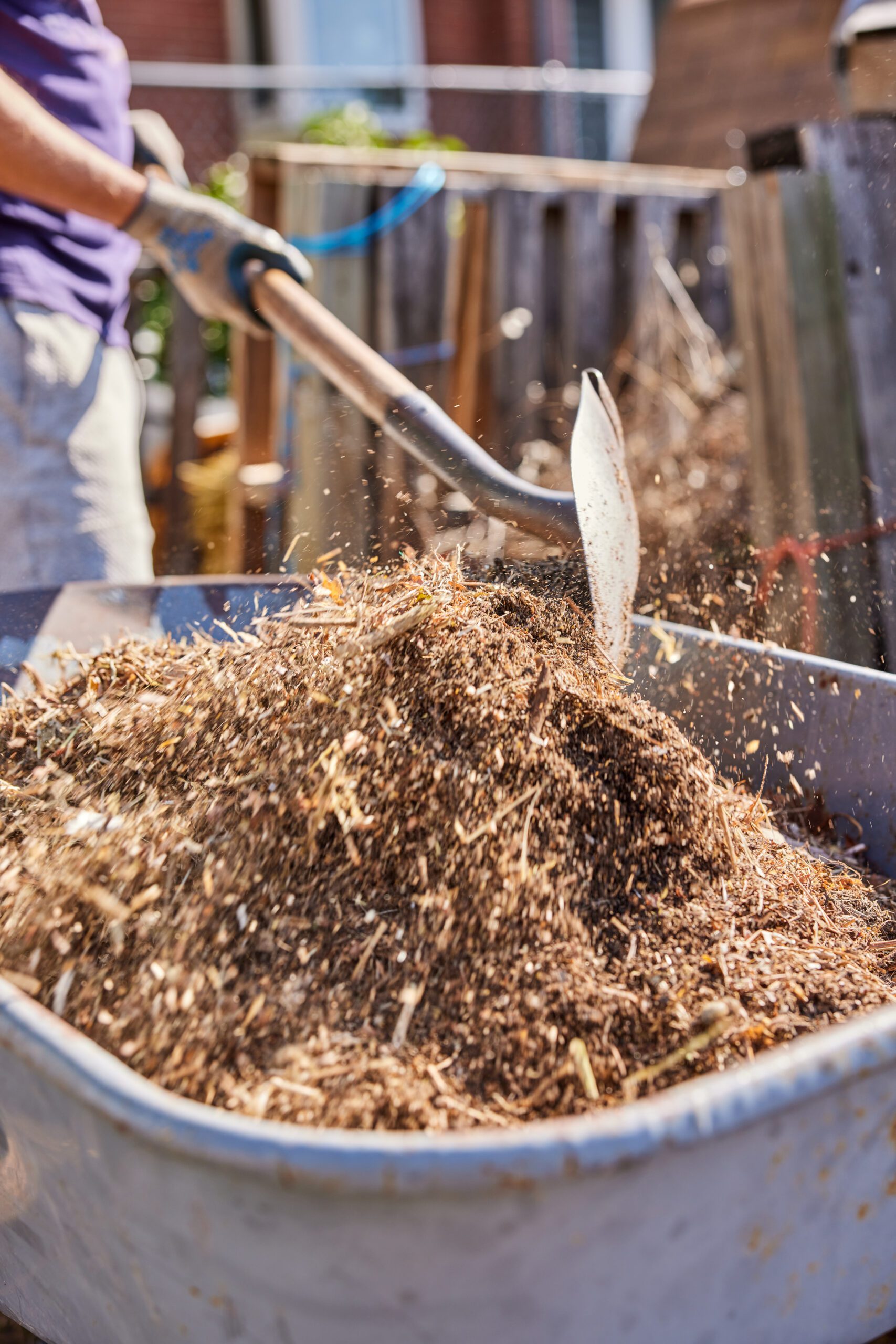
- On-site composting through the Community Composter Training Program
- Sheet-mulching to build new garden beds
- Incorporating cover crops (e.g., clover, vetch) to prevent erosion
- Adding leaf mulch and woodchips to support fungal networks in food forests
- Soil test integration to avoid over-fertilizing
- Office and building composting
Water Stewardship and Conservation
Focus: reducing water use and adapting to Colorado’s dry climate
Examples:
- Drip irrigation systems to ensure adequate and deep watering
- Mulching to retain moisture
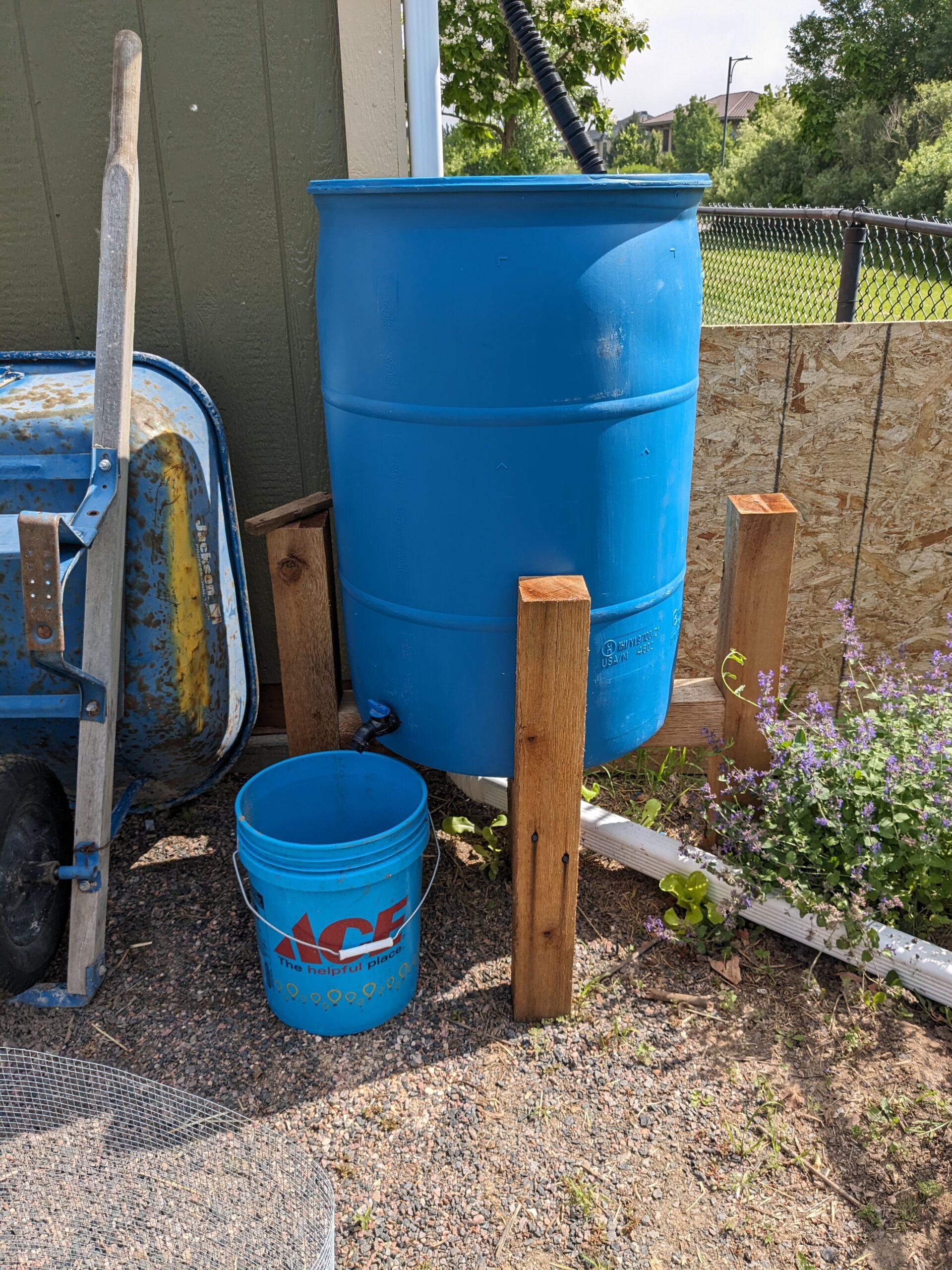
- Rainwater harvesting systems where permitted
- Xeric and drought-tolerant plant selection
Biodiversity and Habitat Creation
Focus: supporting pollinators, wildlife, and resilient ecosystems
Examples:
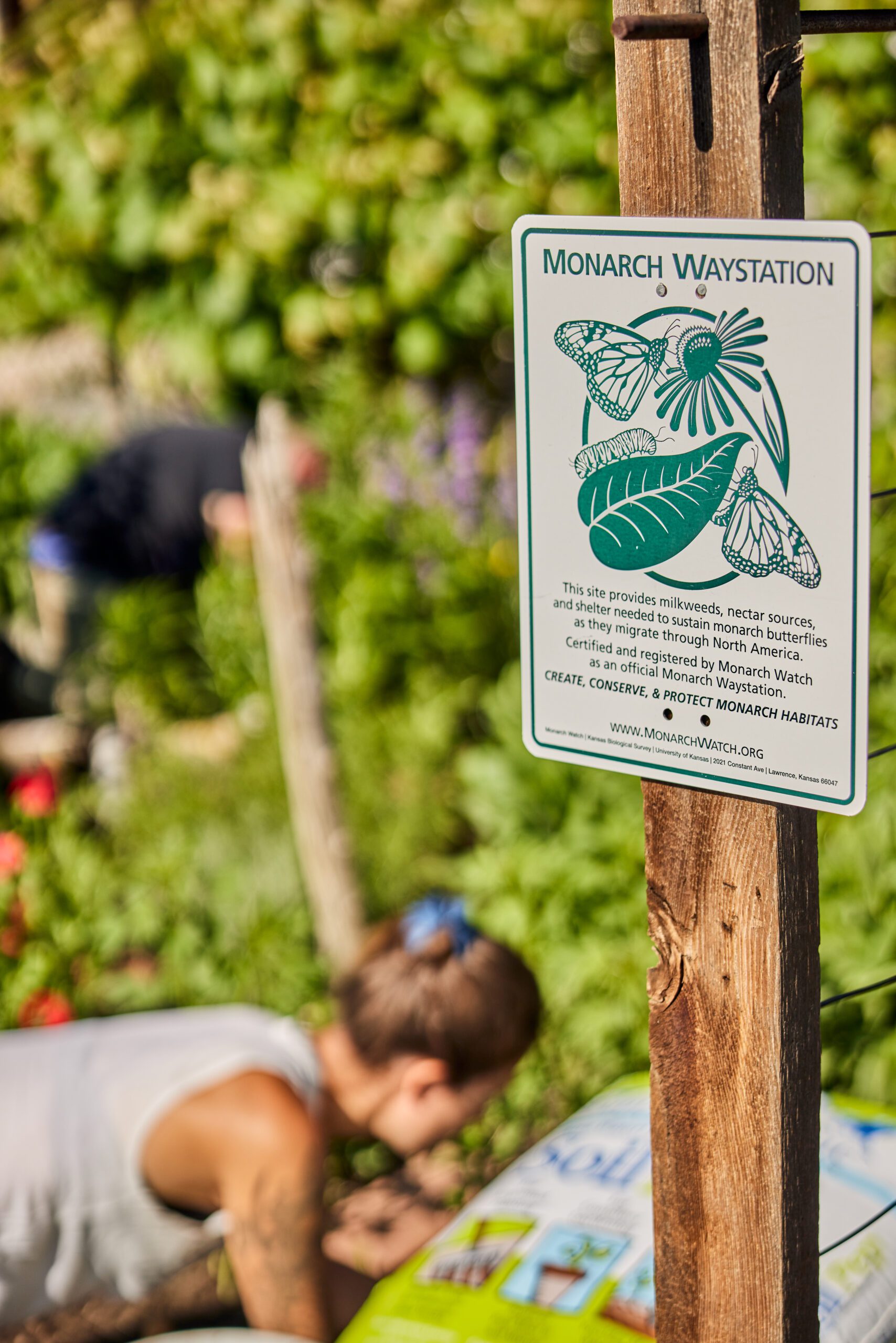
- Pollinator-friendly plantings like yarrow, bee balm, and milkweed
- Native shrubs & vines in food forests
- Companion planting for natural pest control
- Bird, bat, and beneficial insect habitat structures
- “No spray” organic pest-management guidelines
Community Stewardship and Education
Focus: sustainability through community connection and shared responsibility
Examples:
- Garden Leader and Tree Keeper stewardship models
- Community volunteer workdays for bed building, mulching, and food forest installs
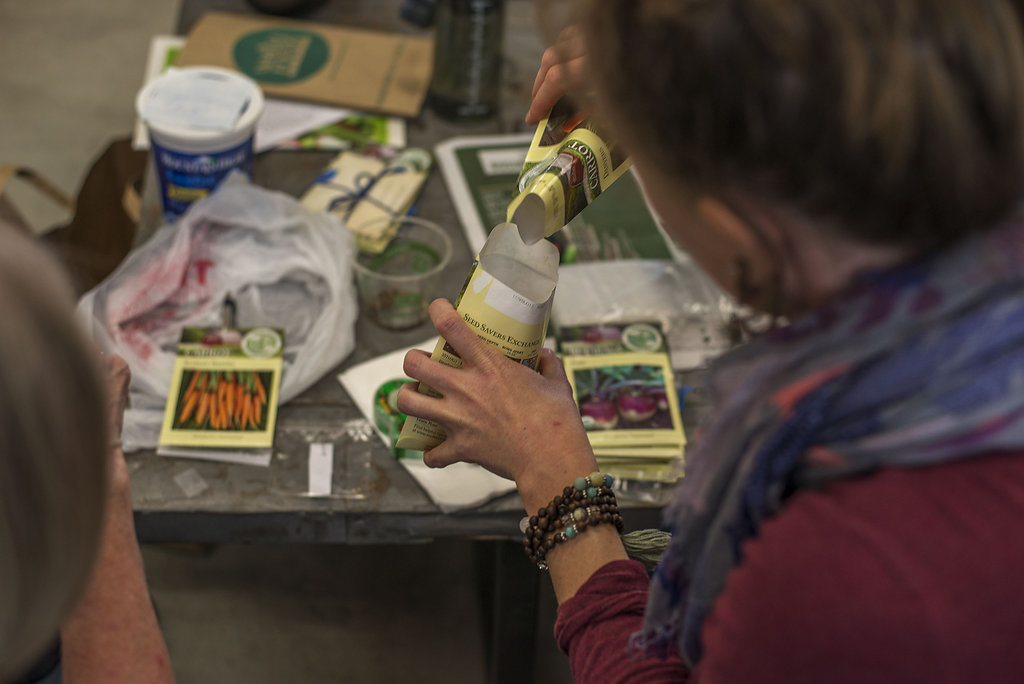
- Educational workshops on composting, waterwise gardening, and seed saving
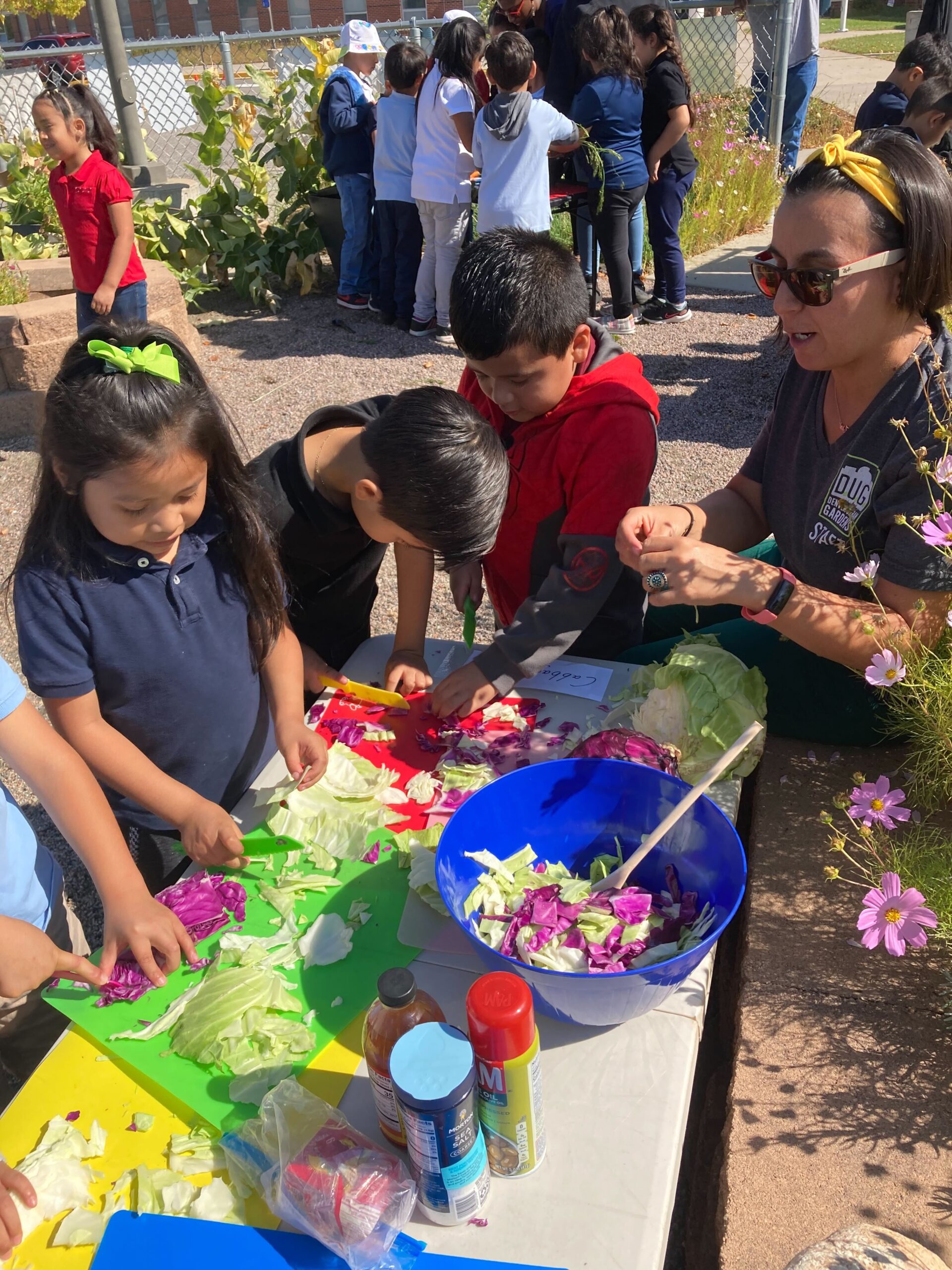
- Youth education through school gardens
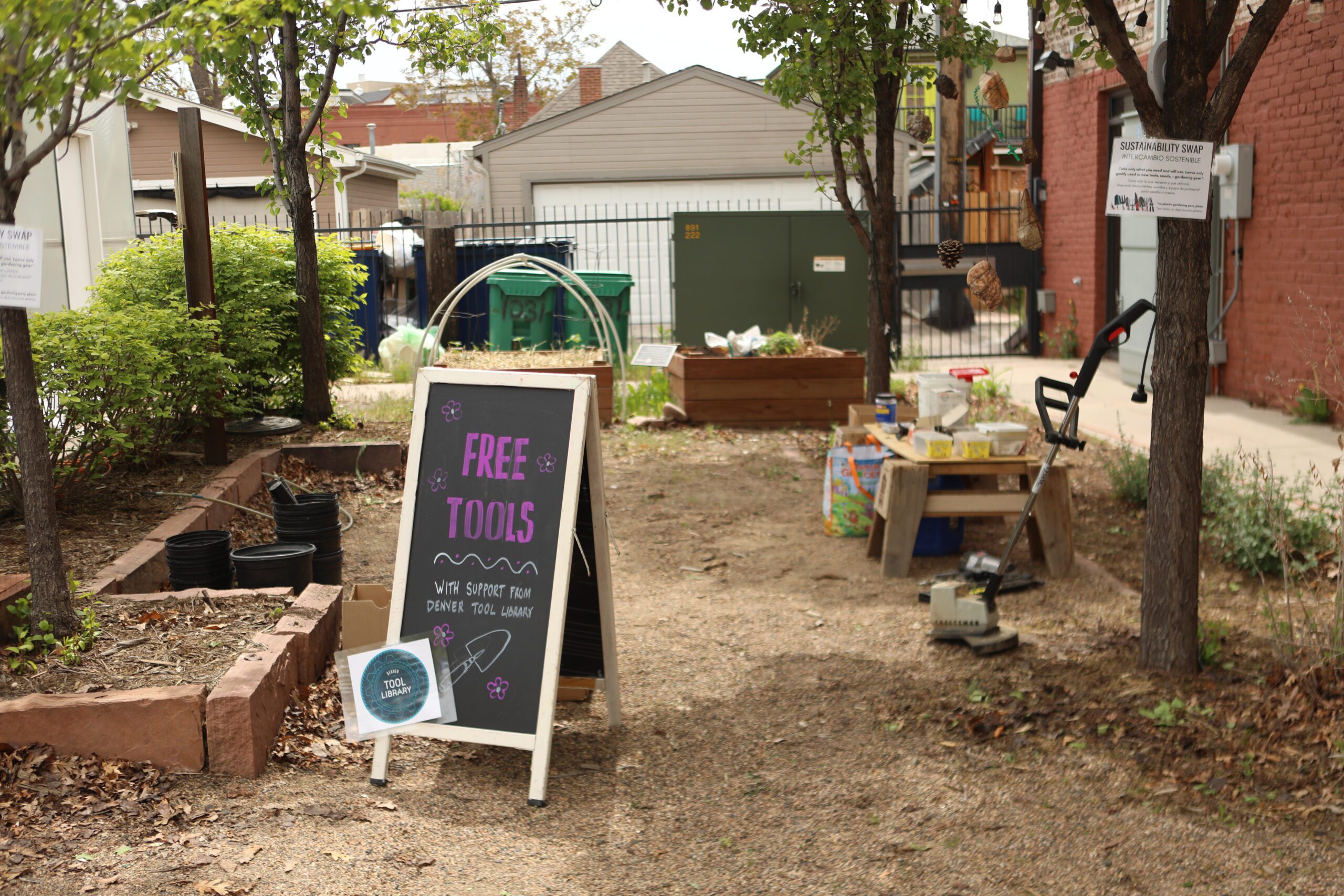
- Shared tools in partnership with Denver Tool Library to reduce resource duplication
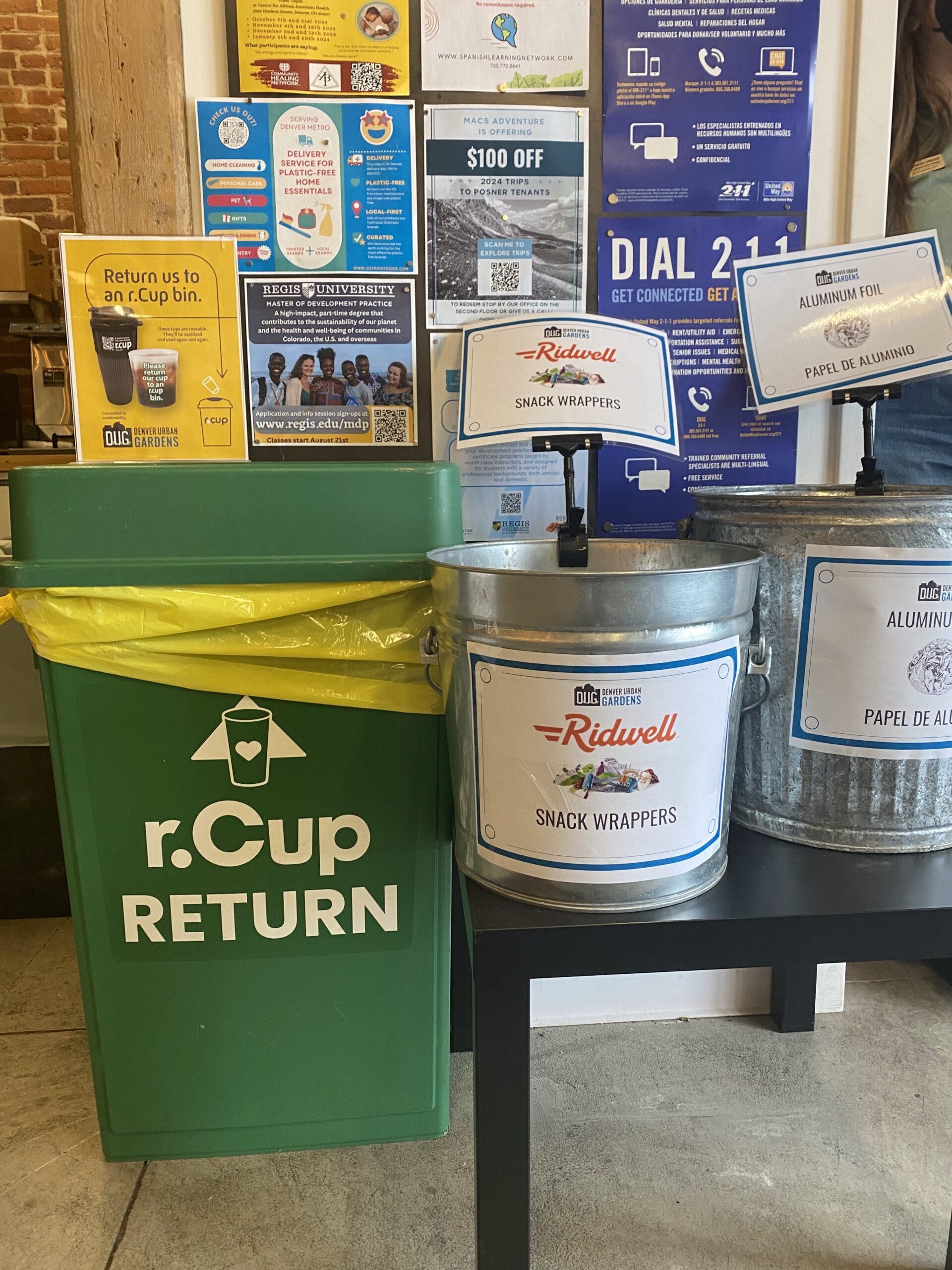
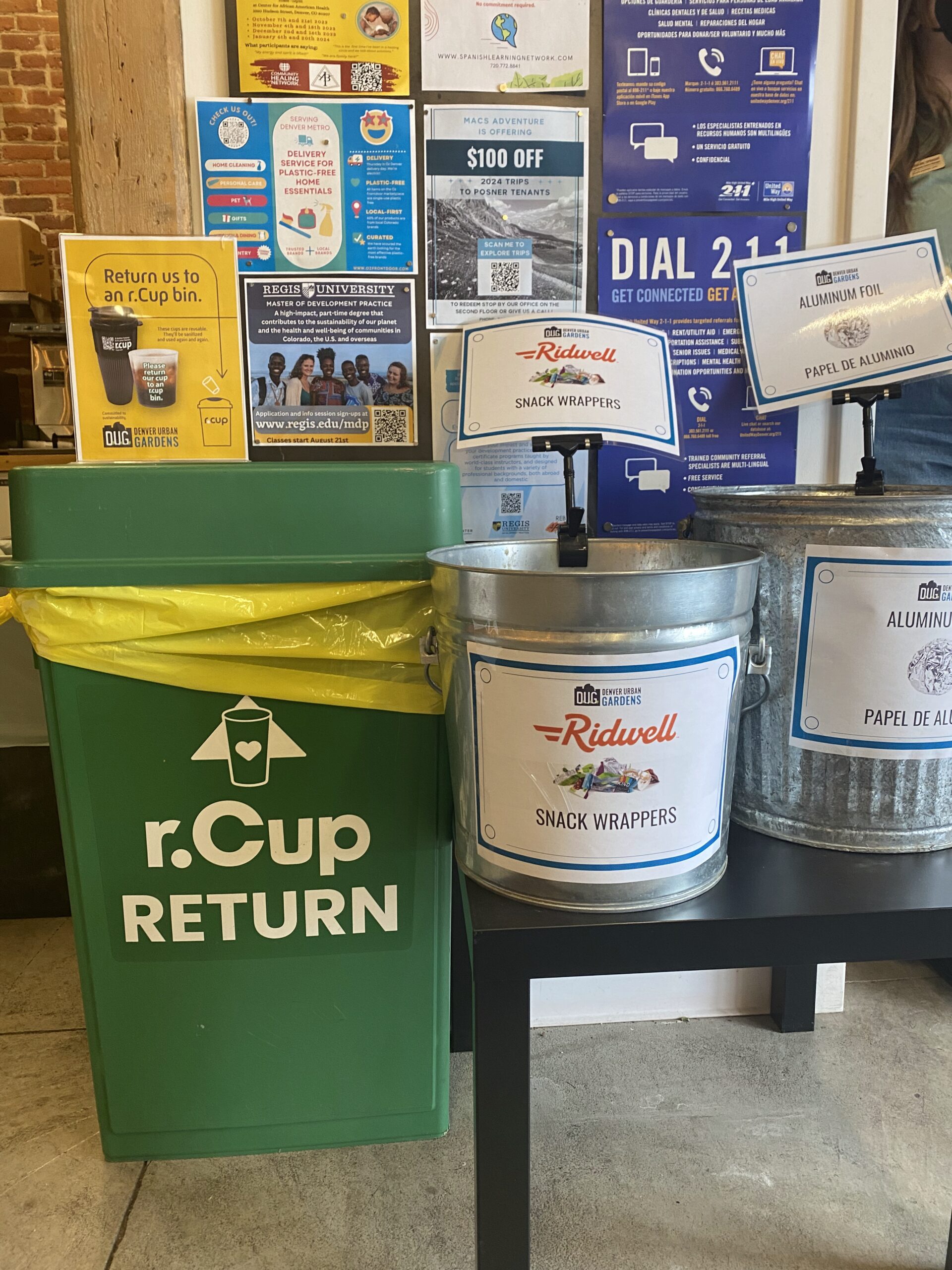
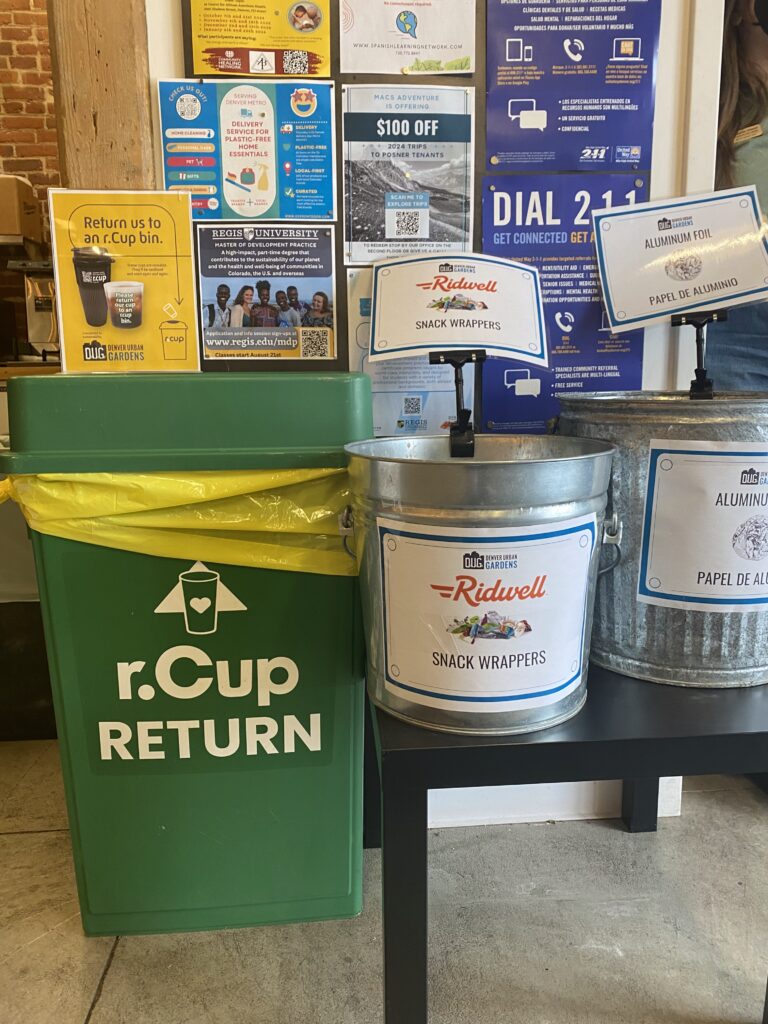
- Hard-to-recycle plastic service through Ridwell
Circular Resource Use
Focus: reducing waste and maximizing the life of materials
Examples:
-
Reusing construction materials for garden beds and pathways
-
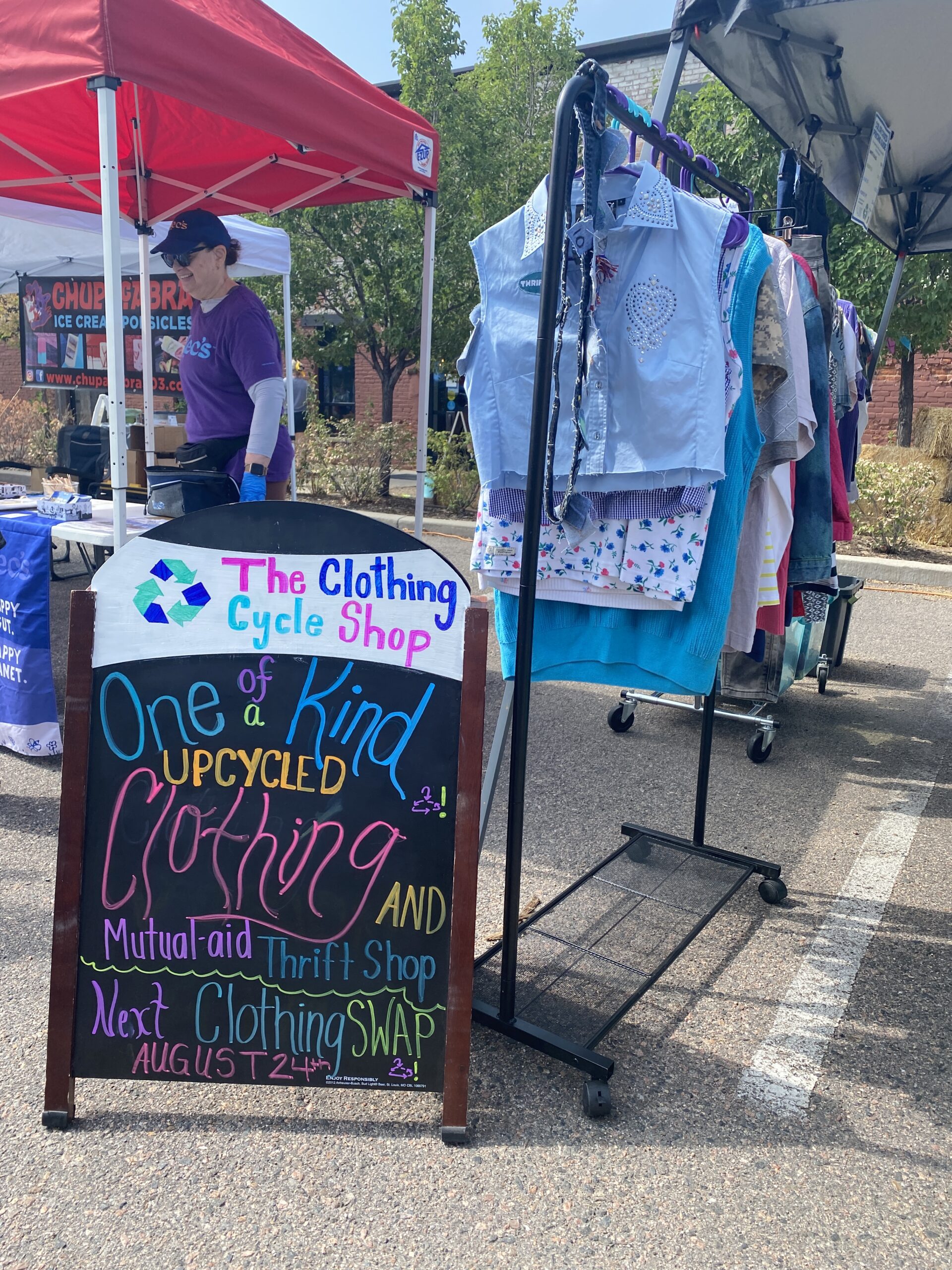
Upcycled fencing, pallets, and barrels for infrastructure
-
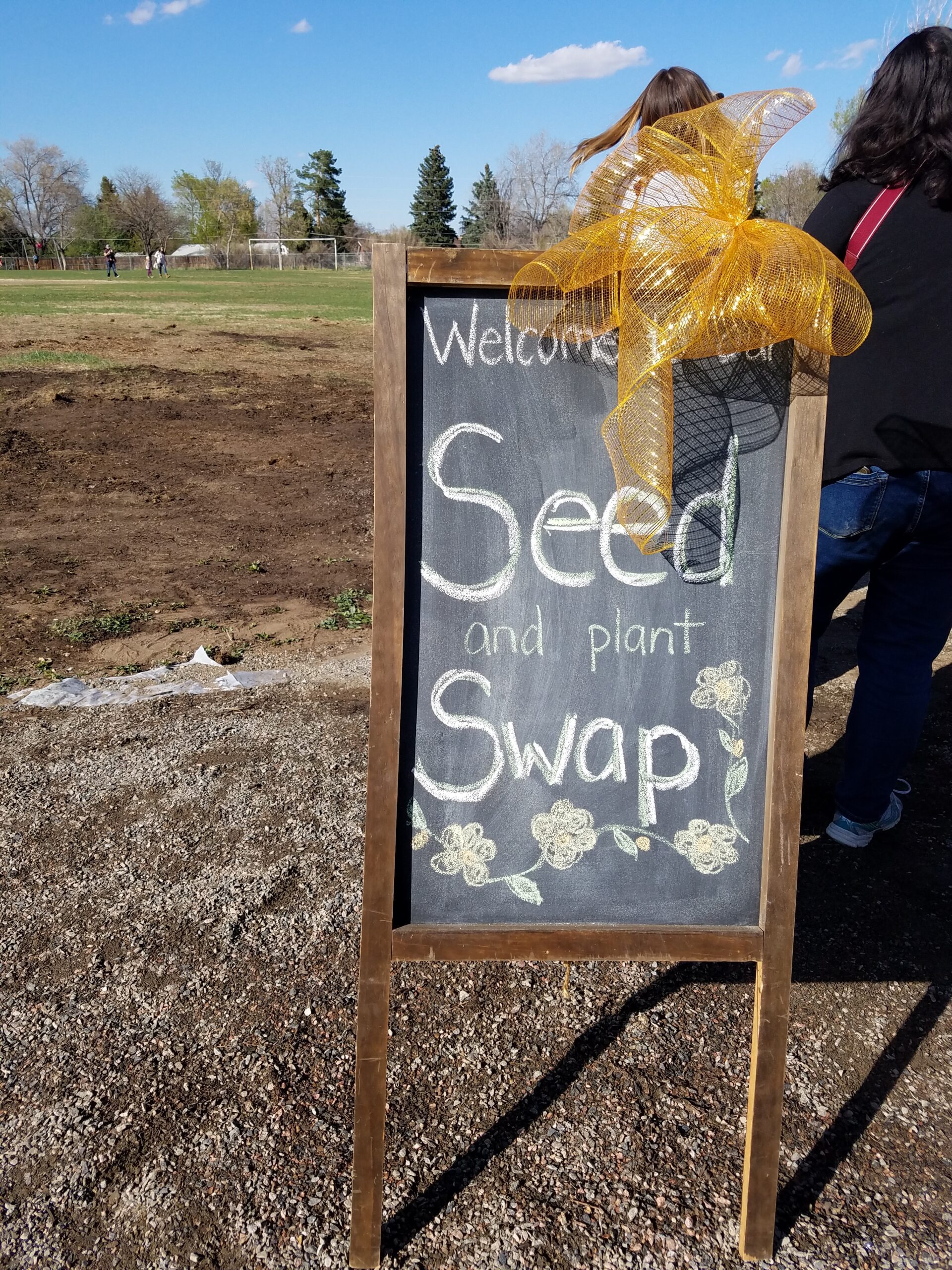
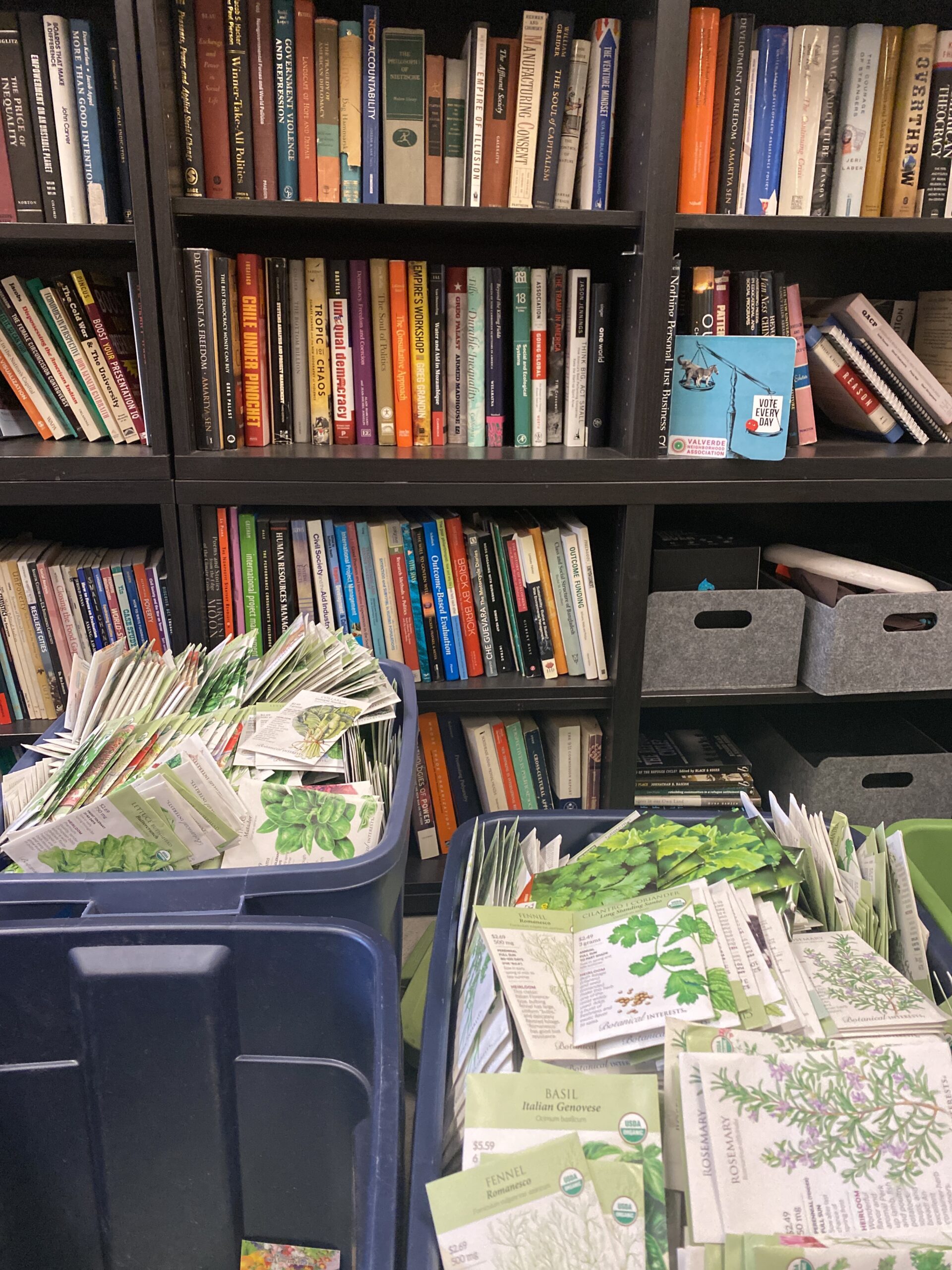
Seed/plant swaps between gardeners and the broader community
- DUG’s Second Chances program to distribute excess seedlings post-first frost for community gardens in need
-
Community garden composting, which feeds back into the garden soil
-
Produce sharing and donation through partners like Fresh Food Connect reduce food waste
Climate-Resilient Growing Practices
Focus: protecting crops and soil as climate patterns shift
Examples:
-
Season extension with cold frames and row covers
-
Shade structures in heat-intensive gardens
-
Planting perennial polycultures in food forests for long-term resilience
-
Variety selection for heat and drought tolerance
-
Deep-mulching to reduce temperature swings
Food Access and Local Food Systems
Focus: strengthening local, equitable food supply networks
Examples:
-
Food forest “pick what you need” open-harvest models
-
Community fridges at partner hubs
-
Supporting neighbors through sliding-scale (or free) plot fees
- Food waste reduction at DUG events in partnership with r.Cup and Scraps
Inclusive and Accessible Design
Focus: sustainability includes equitable participation
Examples:
-
ADA-accessible raised beds and pathways
-
Multi-lingual signage in gardens and food forests
-
Clear community agreements that promote shared care
-
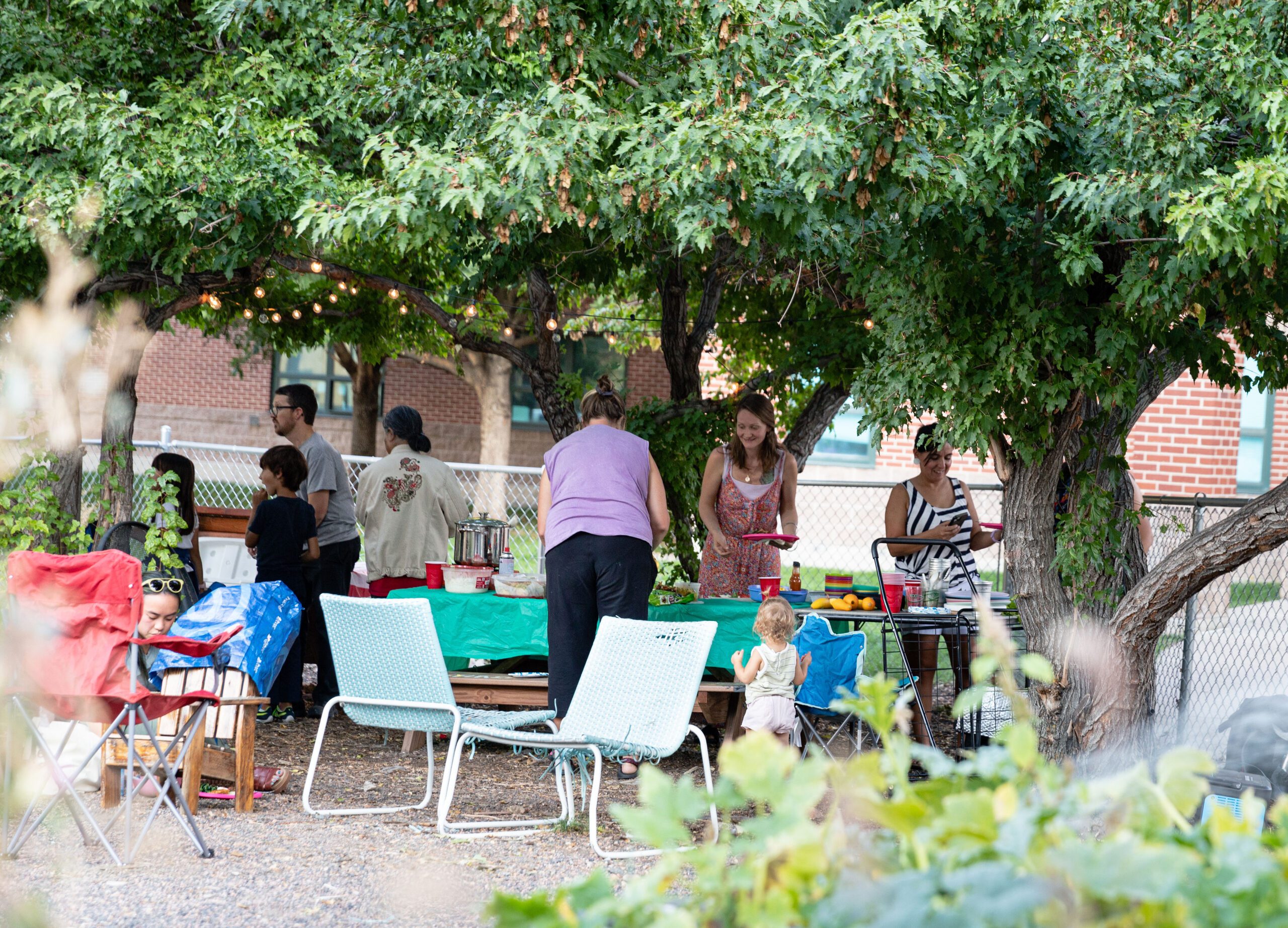
Gathering spaces that encourage cultural food traditions
-
Tools and systems for shared conflict resolution
Long-Term Land Stewardship
Focus: securing land, investing in future generations
Examples:
-
Land leases and city partnerships that protect green space
-
Food forest canopy layers planned ahead
-
Ongoing leadership development for community autonomy
-
Continual evaluation of garden health, infrastructure, and needs
SUSTAINABILITY GARDENING ARTICLES
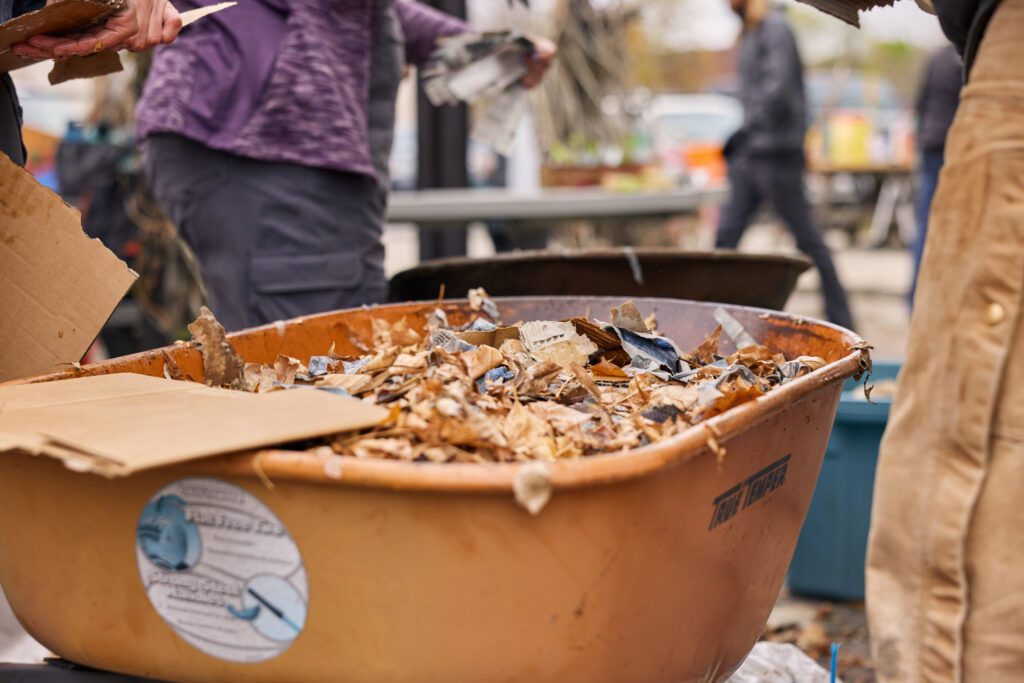
Unique (and Free) Ways to Add Nutrients to Your Plants
Unique (and Free) Ways to Add Nutrients to Your Plants
Read More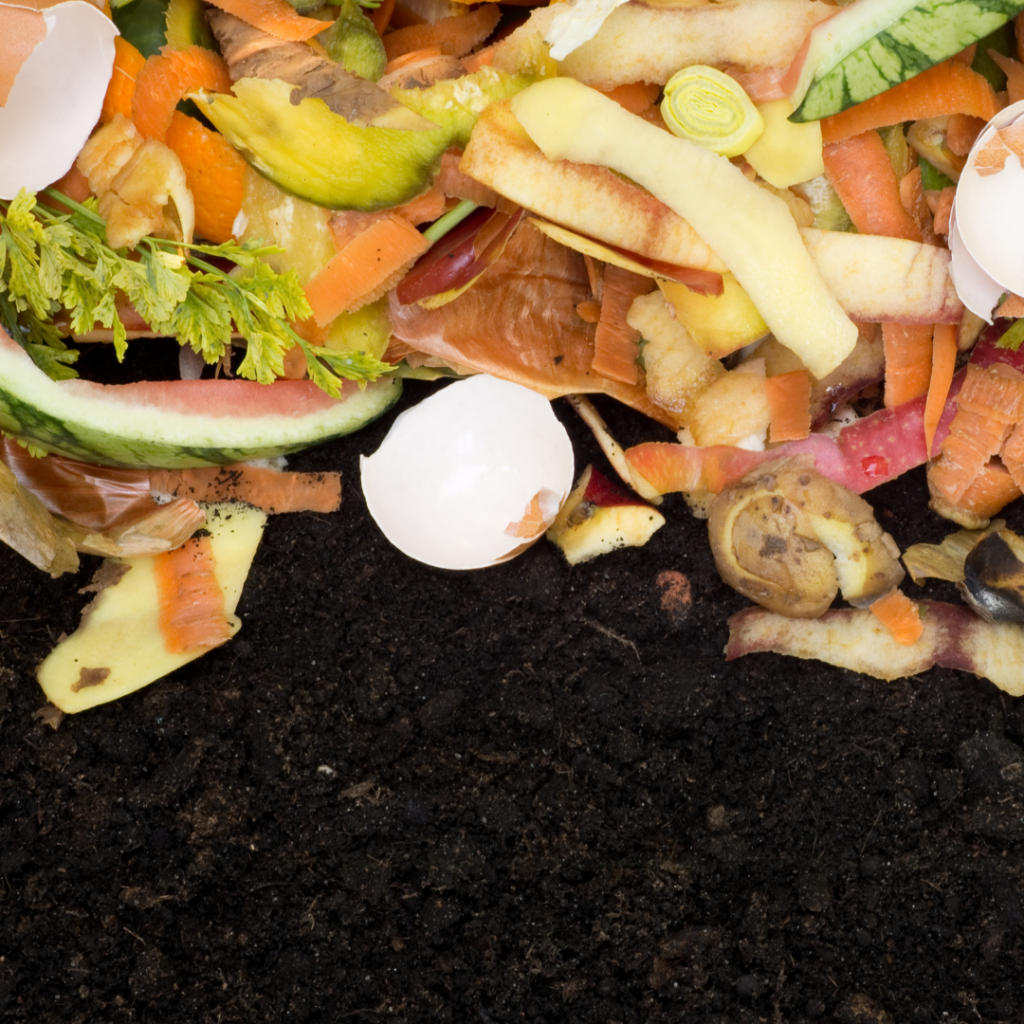
Basics of Composting
Basics of Composting
Read More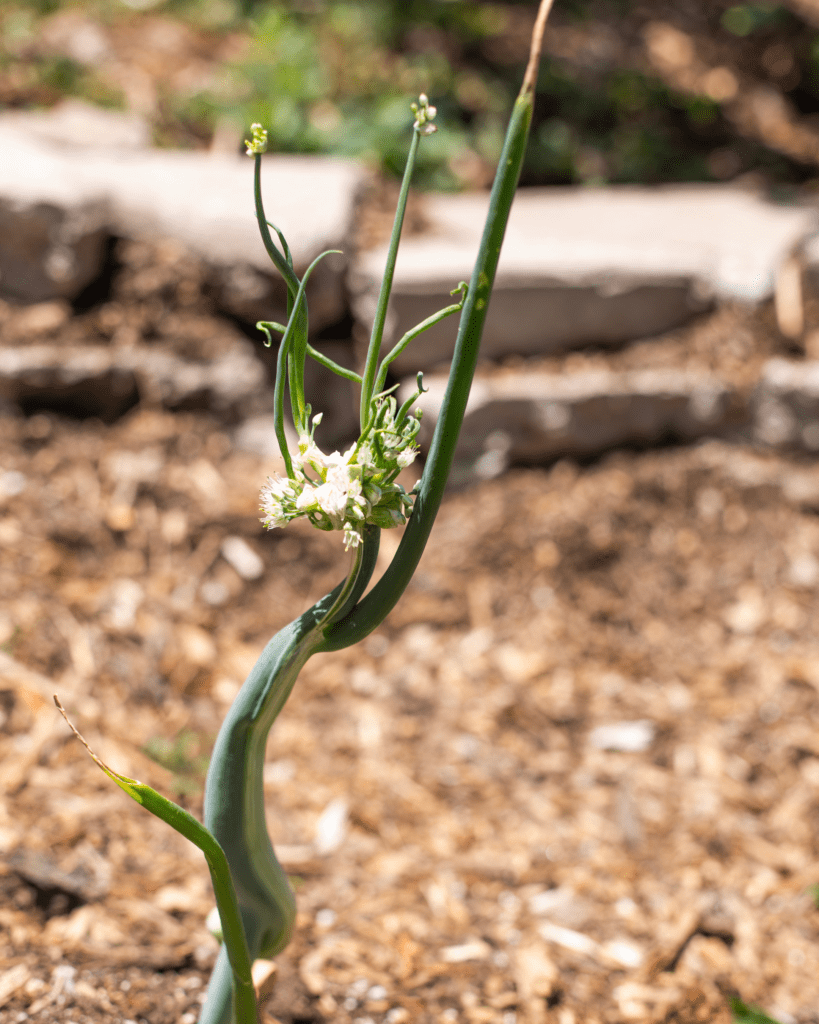
Denver is Having a Warm, Dry Winter: Now What?
Denver is Having a Warm, Dry Winter: Now What?
Read More
Smart Water Use in Colorado
Smart Water Use in Colorado
Read More
Effective Water Conservation Techniques
Effective Water Conservation Techniques
Read More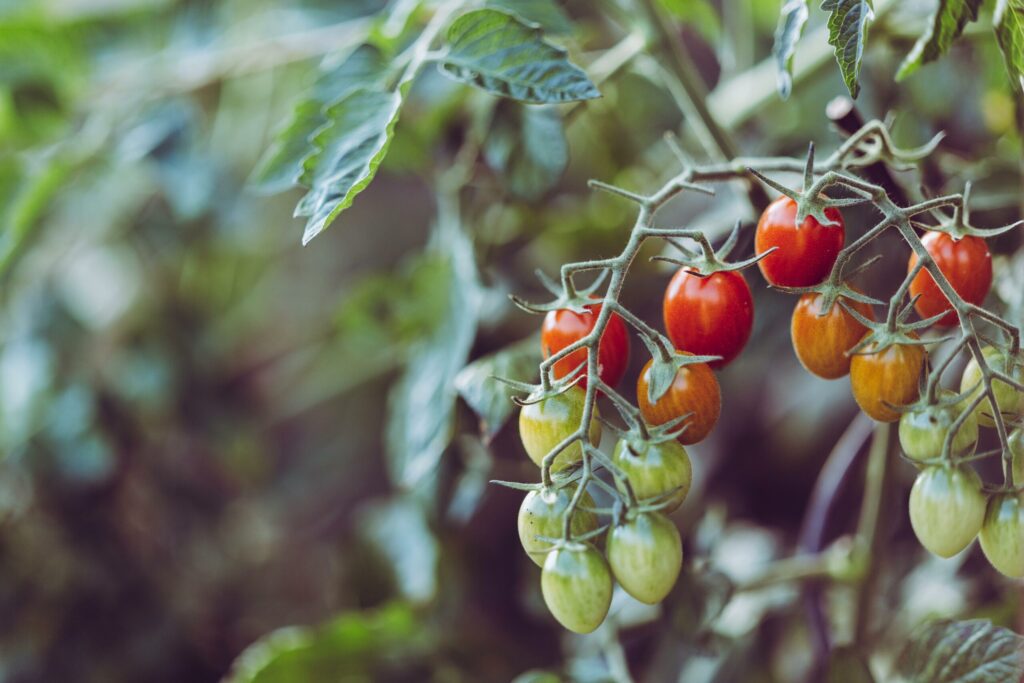
Tips for Harvesting and Storing Fruits & Vegetables from Your Garden
Tips for Harvesting and Storing Fruits & Vegetables from Your Garden
Read MoreUNited nations SUSTAINABLE DEVELOPMENT GOALS
DUG advances global sustainability through local, community-led action. Our gardens, food forests, and education programs directly support the United Nations Sustainable Development Goals (SDGs) by increasing food access, strengthening community well-being, and stewarding urban ecosystems across Denver.

ZERO HUNGER (SDG 2)
DUG increases access to fresh, affordable, and culturally relevant food by supporting community gardens and food forests throughout Denver. By growing food close to home and sharing harvests within neighborhoods, we strengthen local food systems and reduce food insecurity.
Good Health & Well-Being (SDG 3)
Gardens are powerful spaces for healing and connection. DUG promotes physical activity, mental well-being, and improved nutrition through hands-on gardening, therapeutic garden programs, and welcoming green spaces that foster a sense of belonging.
Quality Education (SDG 4)
DUG provides inclusive, hands-on learning opportunities for all ages. Our training programs and workshops build skills in sustainable food production, composting, and land stewardship while supporting workforce development and lifelong learning.
Reduced Inequalities (SDG 10)
We prioritize access to land, resources, and education for communities historically excluded from growing spaces. DUG centers community leadership, removes barriers to participation, and supports culturally responsive growing practices.
Sustainable Cities & Communities (SDG 11)
By transforming underutilized land into productive green spaces, DUG strengthens neighborhood resilience, increases urban green infrastructure, and builds connections among neighbors—making Denver a healthier, more sustainable city.
Responsible Consumption & Production (SDG 12)
DUG promotes responsible food systems through composting, soil regeneration, seed saving, and education on sustainable growing practices. Our programs reduce waste while closing the loop between food, soil, and community.
Climate Action (SDG 13)
Local food systems are climate solutions. DUG reduces food-related emissions, improves soil carbon storage, and supports climate-resilient growing practices that help communities adapt to a changing climate.
Life on Land (SDG 15)
DUG collaborates with community organizations, schools, healthcare providers, and municipalities to amplify impact and advance shared sustainability goals.
PARTNERSHIPS