
Registration (and waitlist) for the 2026-2027 PDC cohort is now closed.
Permaculture Design Course
Overview
Permaculture is a revolutionary design science that applies nature’s patterns to human systems. The Permaculture Design Course (PDC) has trained thousands of changemakers around the world. Our 112-hour course includes the internationally recognized 72-hour core curriculum, plus expanded sessions and regionally relevant resources tailored to Colorado.
In 2026, Denver Urban Gardens (DUG) and the Denver Permaculture Design Course (DPDC) are partnering to offer an expanded, community-centered Permaculture Design Certificate experience. Together, we’re combining DPDC’s long-standing curriculum and instructor team with DUG’s network of gardens, educators, and community partnerships to create a course grounded in ecological design and real-world application.
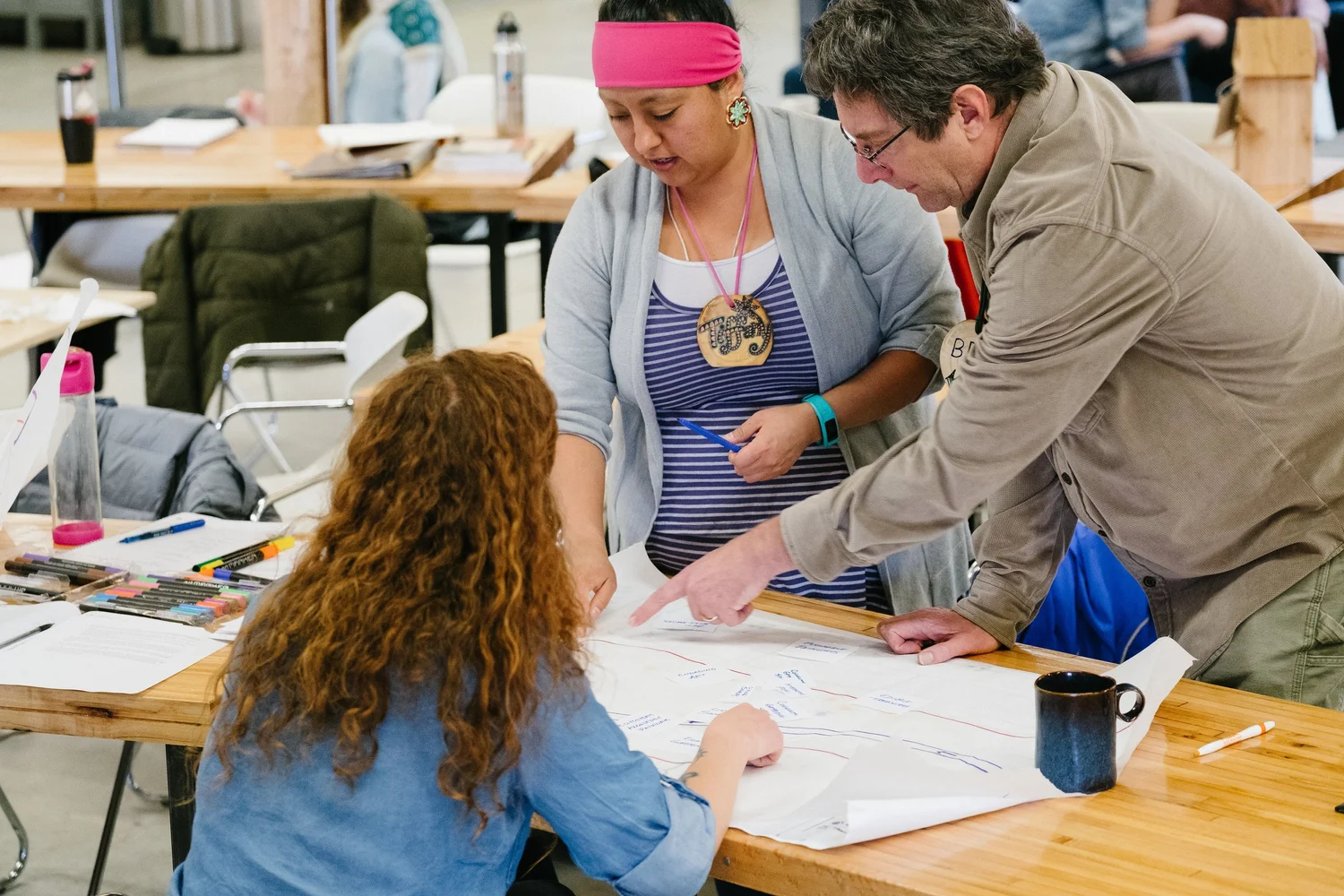
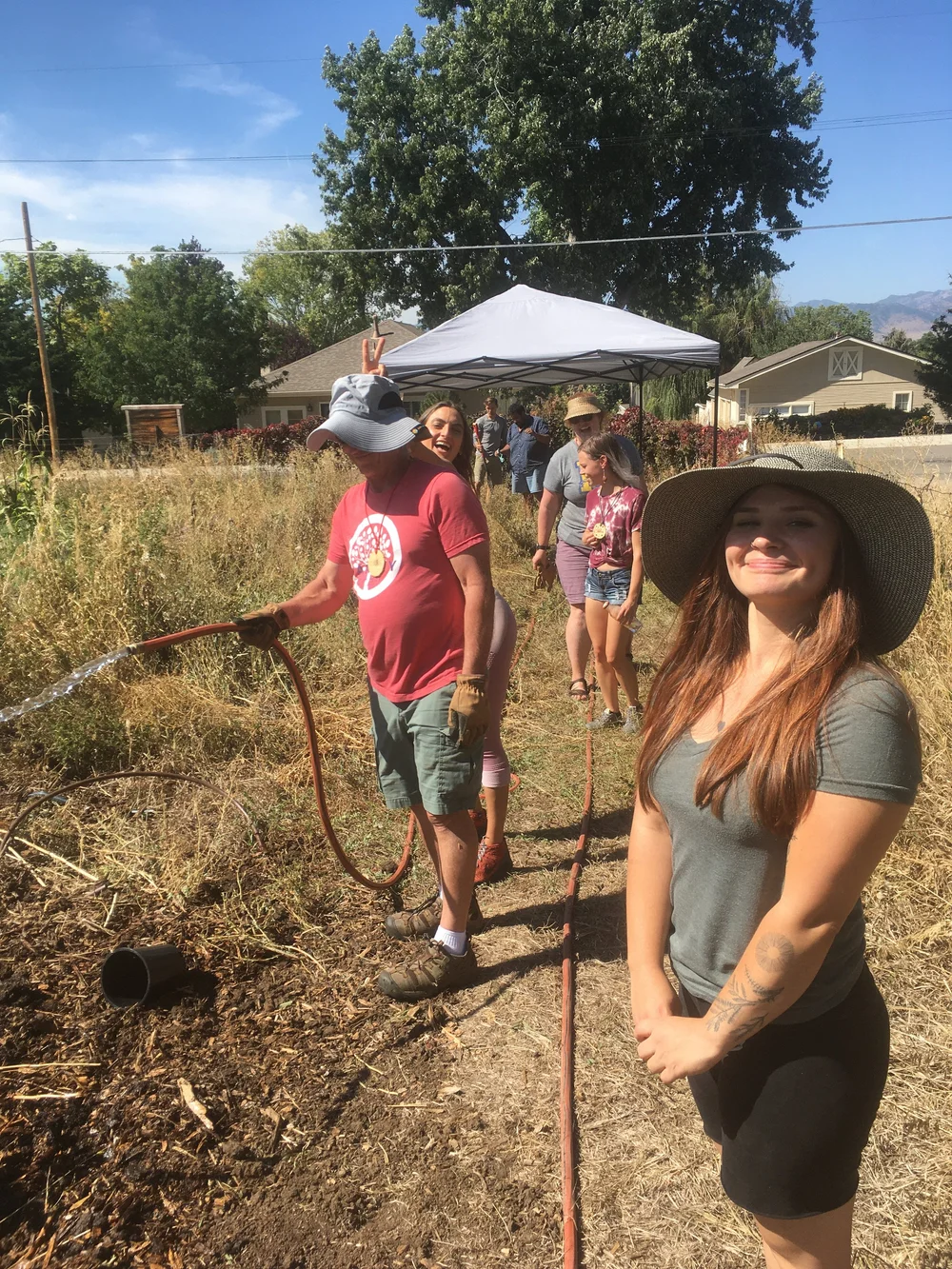
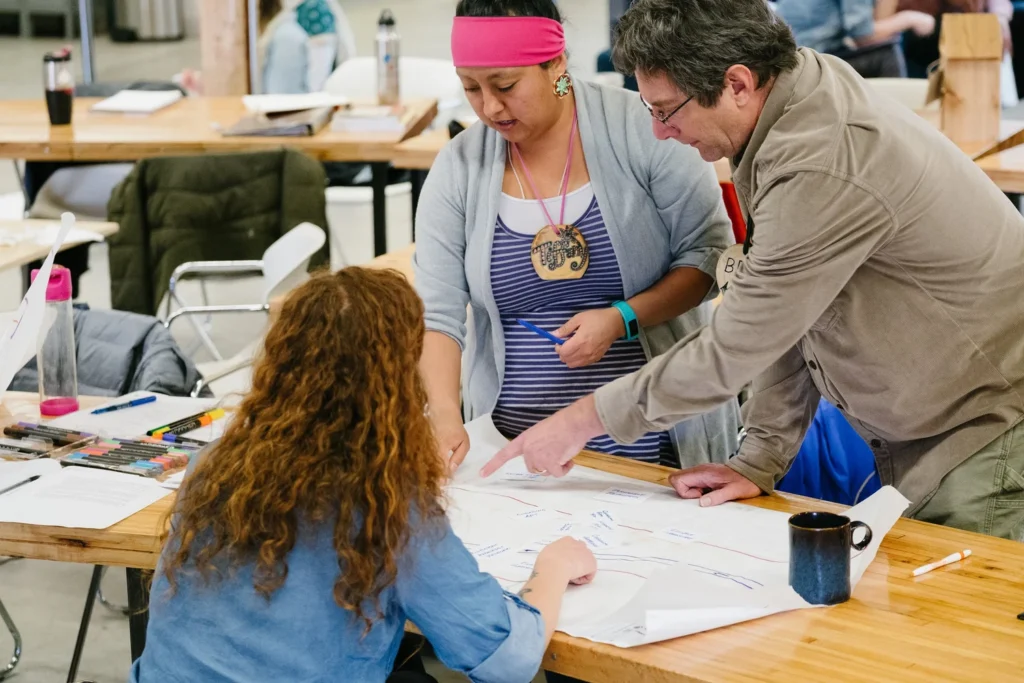
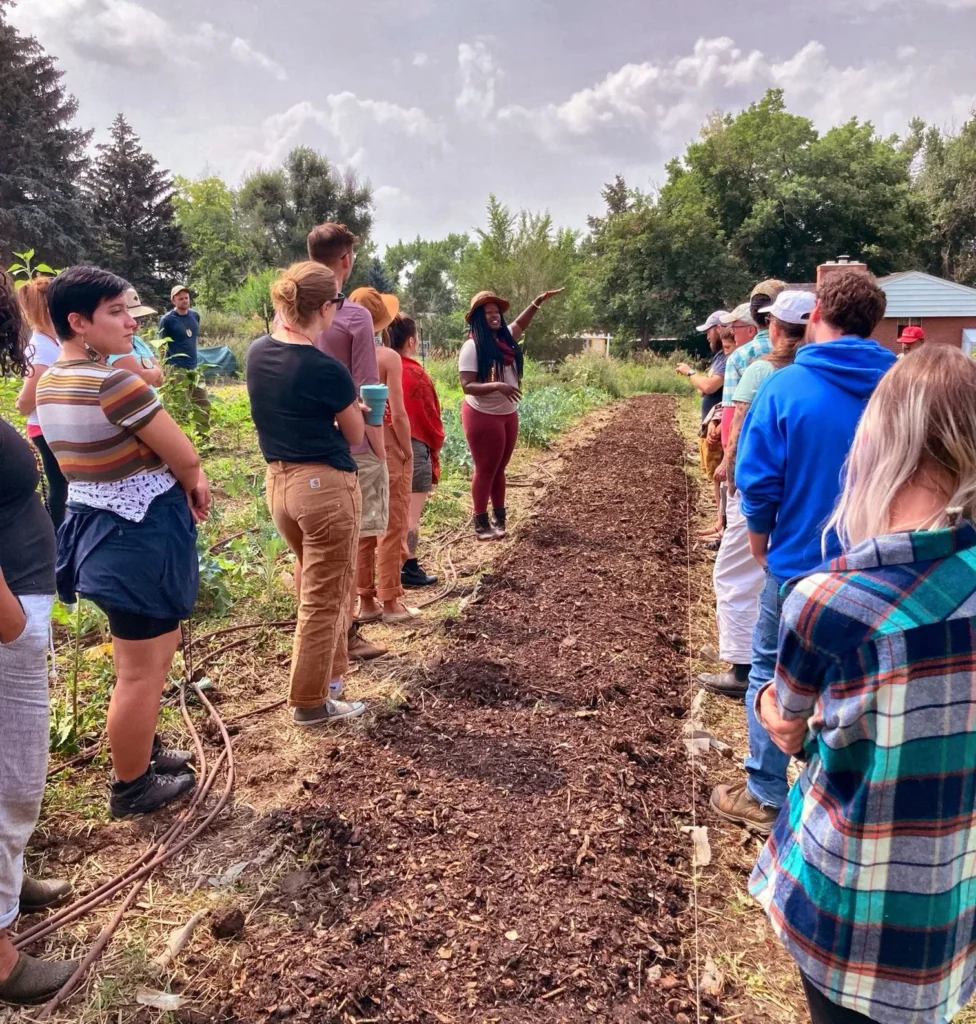
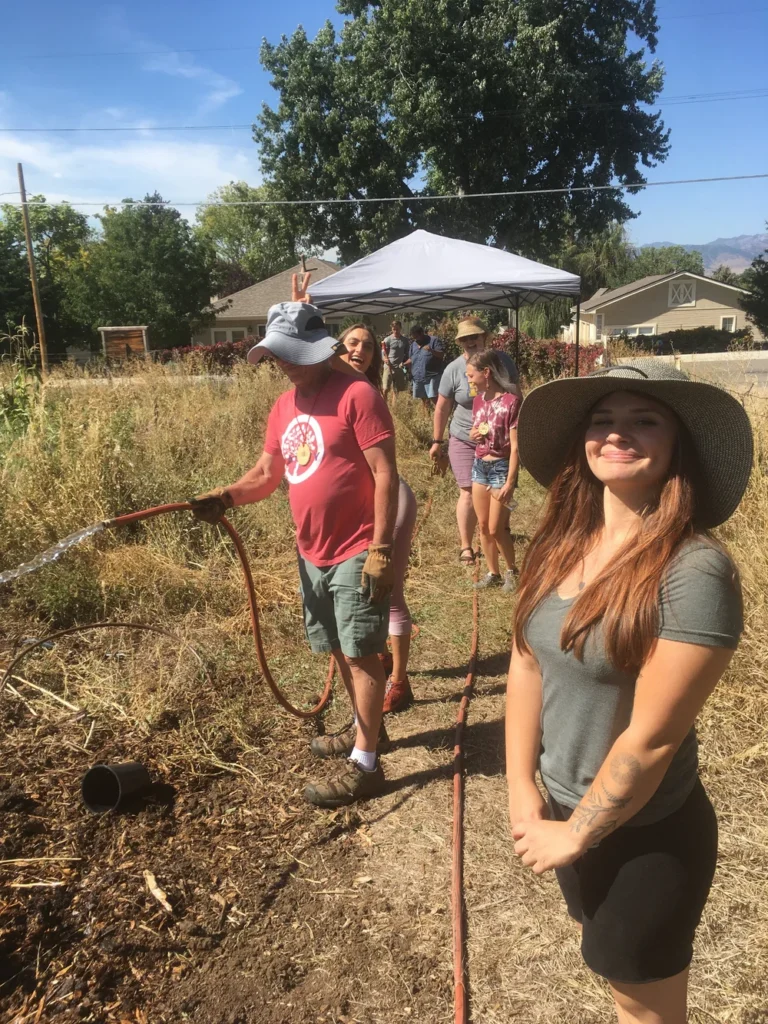
Through classroom instruction, field visits, hands-on activities, and collaborative design work, students will learn how to apply permaculture principles to the landscapes, communities, and challenges of Colorado’s Front Range.
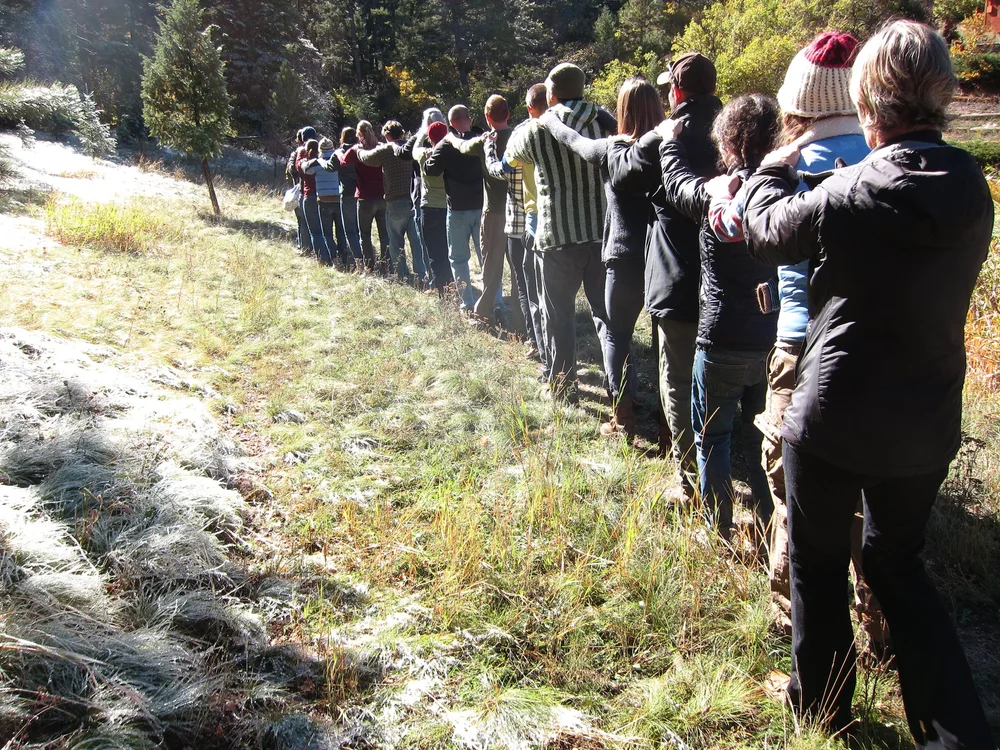
The course begins with an immersive retreat weekend at Cal-Wood Education Center, where students will build community, establish a strong foundation in permaculture, and connect with the land. Additional class sessions will take place at locations throughout the Denver metro area.
Each course weekend will feature guest instructors from Colorado’s permaculture community, bringing specialized expertise and diverse perspectives. Between course weekends, students can attend optional hands-on workshops to continue building their skills.
A detailed course schedule and syllabus will be shared with enrolled students before the program begins.
Who Should Enroll
Design professionals can add new qualifications to their resumes and offer improved services to their clients. Their designs tend to use fewer resources, work more efficiently, and are easier to maintain.
Homeowners, gardeners, and farmers learn to increase the value and productivity of their property and to create home and land environments that better support their own needs as well as nature’s.
Real estate, construction, and development professionals are able to better address the public’s growing concern for the environment and to reduce resource use and impacts.
Educators learn to integrate permaculture design into their curriculum in ways that have been proven to raise student performance.
Planners and public officials find holistic solutions to land-use and resource issues, and will identify and solve bottlenecks and impediments to implementing their programs.
Energy, water, and waste-systems workers will learn holistic management strategies for integrating their projects into the larger community.
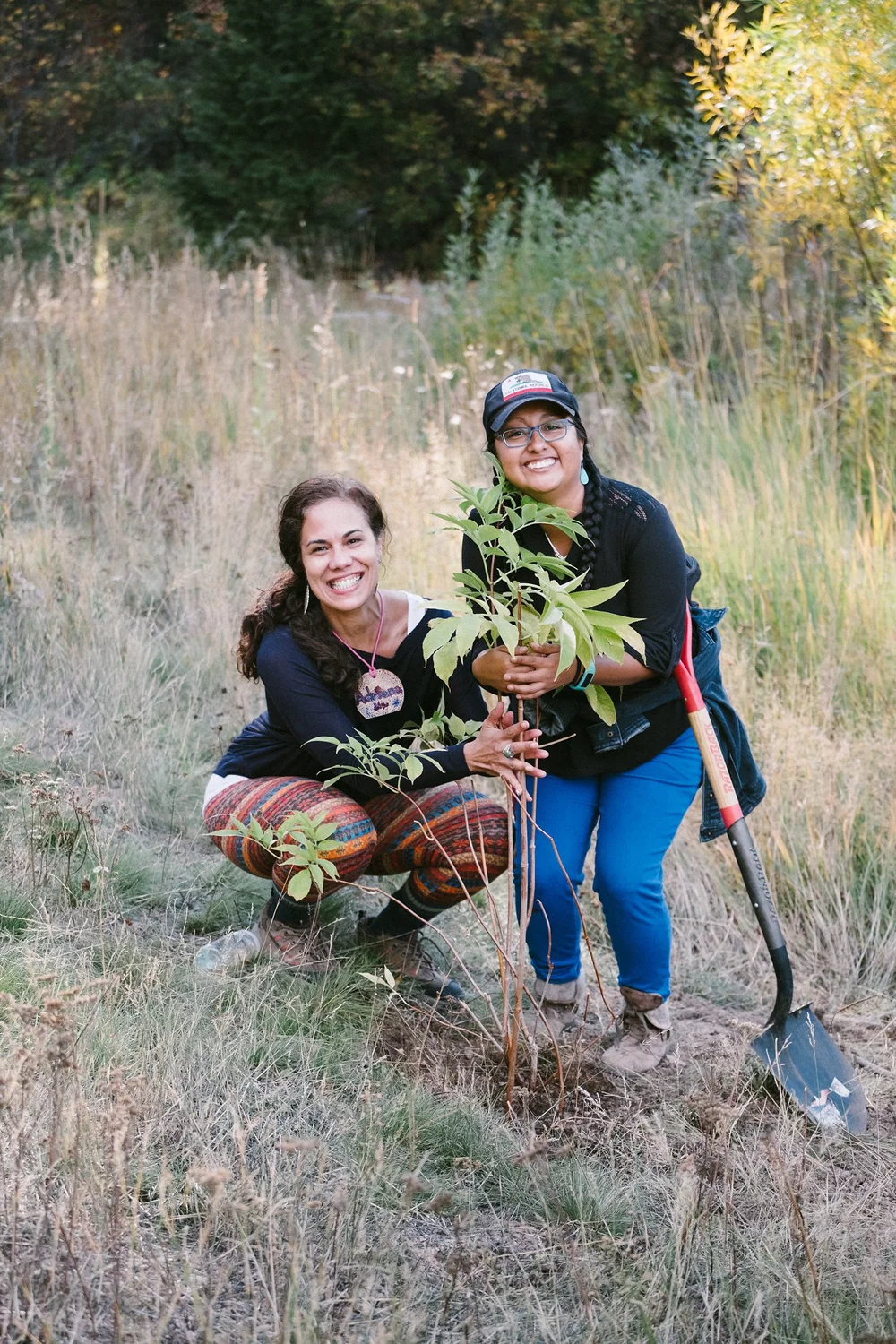
Many participants describe the Permaculture Design Course as a transformative experience–not because it offers a single solution, but because it provides a lifelong framework for understanding complex systems and creating positive change wherever your passions lead.
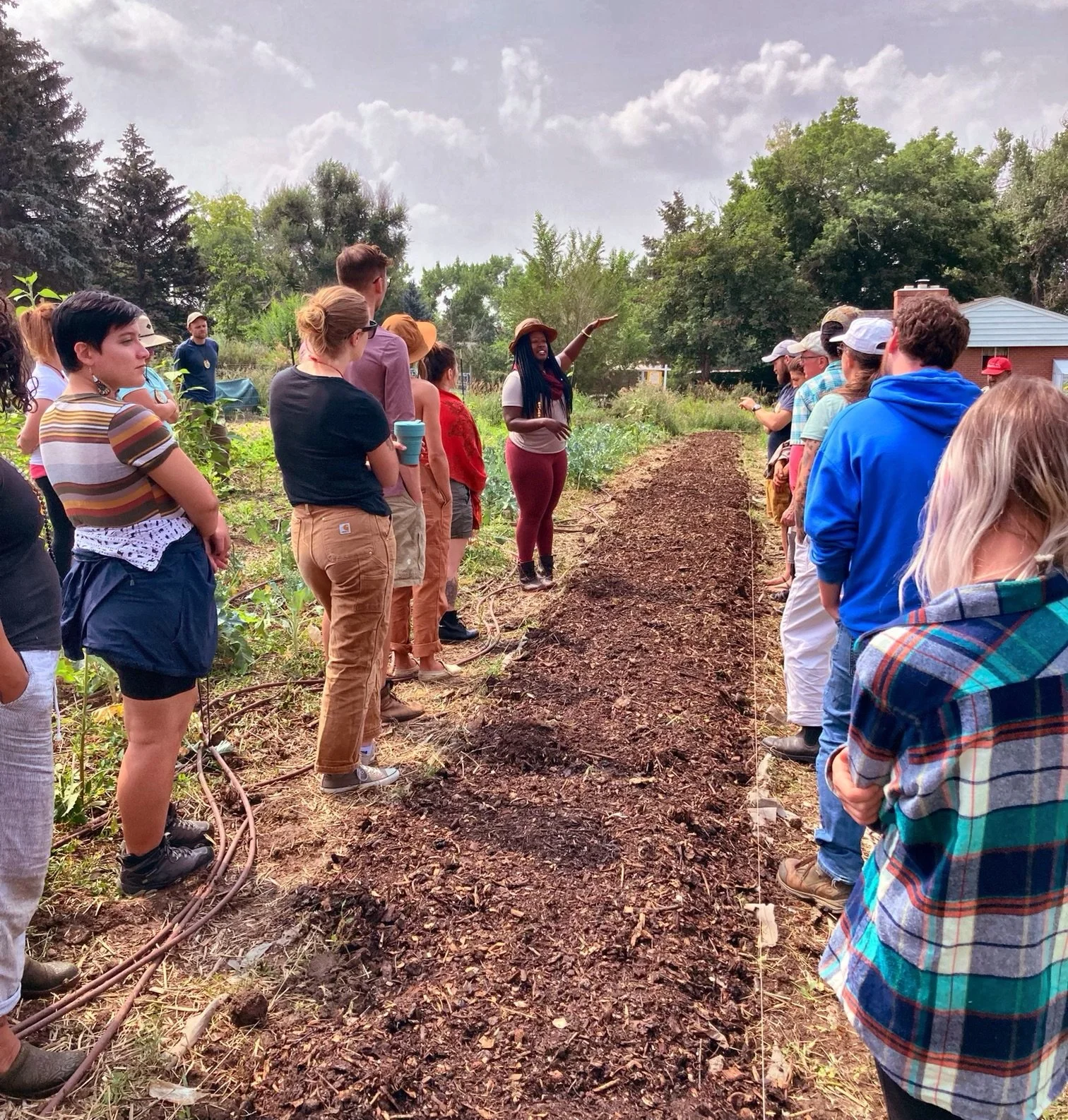
”As a queer BIPOC farmer, I appreciated that I could be present and supported in this space. Because of how dope my instructors were, I knew I could trust them to actually listen to my ideas or concerns, which in turn gave me a lot of self confidence.
What will I learn?
Throughout the course, you’ll develop a whole-systems approach to solving complex challenges. Rather than viewing problems in isolation, you’ll learn to recognize the relationships between people, places, and natural systems, allowing you to design solutions that are regenerative rather than extractive.
You’ll leave with practical tools and design strategies you can apply to:
- Food, water, and energy systems
- Regenerative landscapes and shelter
- Homes, businesses, and organizations
- Community building and local economies
- Thoughtful decision-making and right livelihood
Just as importantly, you’ll become part of a community of people who are asking many of the same questions you are. Through collaborative learning and design, you’ll build relationships, exchange ideas, and find inspiration that often extends well beyond the course itself.
Course Schedule
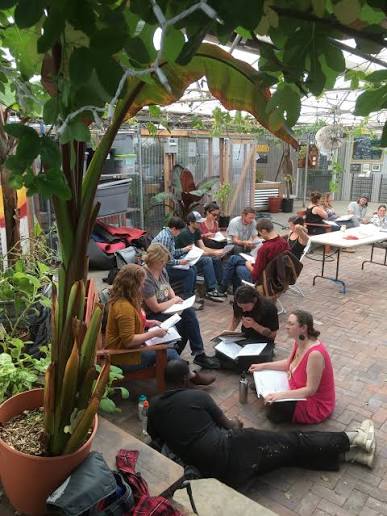
This course is offered as 12 days of weekend classes, supplemented by optional workshops and at-home modules for further exploration. The course is adapted to a wide variety of learning styles and is presented via hands-on projects, lectures, images, video, group discussion, individual and group exercises, and design projects. Class usually lasts from 9am to 5pm. Weekend courses usually include readings and modest amounts of other homework, as well as occasional meetings of design project teams.
Foundations of Regeneration
- Course overview and logistics
- Context and story
- Ethics and principles
- Case studies
- Fundamentals of ecology
- Introduction to patterns
- Reading the landscape
Designing resilient systems
- Permaculture design process
- People and patterns
- Social justice
- Climate, microclimate, landform
- Sector and zone analysis
- Basemapping
- Watersheds
- Greywater and cisterns
FROM SOIL TO FOREST
- Soil building strategies
- Contamination and remediation
- Fungi
- Forests and trees
- Perennial polycultures
- Design strategies
THRIVING TOGETHER
- Garden strategies
- Animals in design
- Design for catastrophe
- People guilds, and social dynamics
CLOSING THE LOOP
- Built environment
- Appropriate Technology
- Waste
- Greenhouses and season extension
BRINGING DESIGNS TO LIFE
- Permaculture economics
- Business strategies
- Food preservation
- Access to land
- Design presentations and feedback

Investment & Accessibility
We recognize that everyone comes to our course from a unique personal and financial situation, and we want as many people to join us as possible. In order to balance accessibility with fair pay and a well-resourced experience, we invite you to pay according to your ability, conscience, and position. Pay what feels right and good to you!
Note, a $350 deposit (refundable minus a 10% administrative fee) is requested with registration.
Payment is due before the course begins. You may opt to pay the remaining balance in one payment or in monthly payments over the duration of the course. Please let us know your preference with registration.
| Price | Level | Intended For |
| $1,350 | Subsidized | This level represents a significant contribution toward the true cost of the course. Fundraising efforts and Benefactor tuitions cover the remaining amount. |
| $1,850 | True Cost | This level reflects the true cost of the course; this includes a living wage for all instructors, access to sites and materials, and high-quality meals each course day. |
| $2,350 | Benefactor | This level is for those with the capacity and resources to support others in taking the course at a reduced cost. |
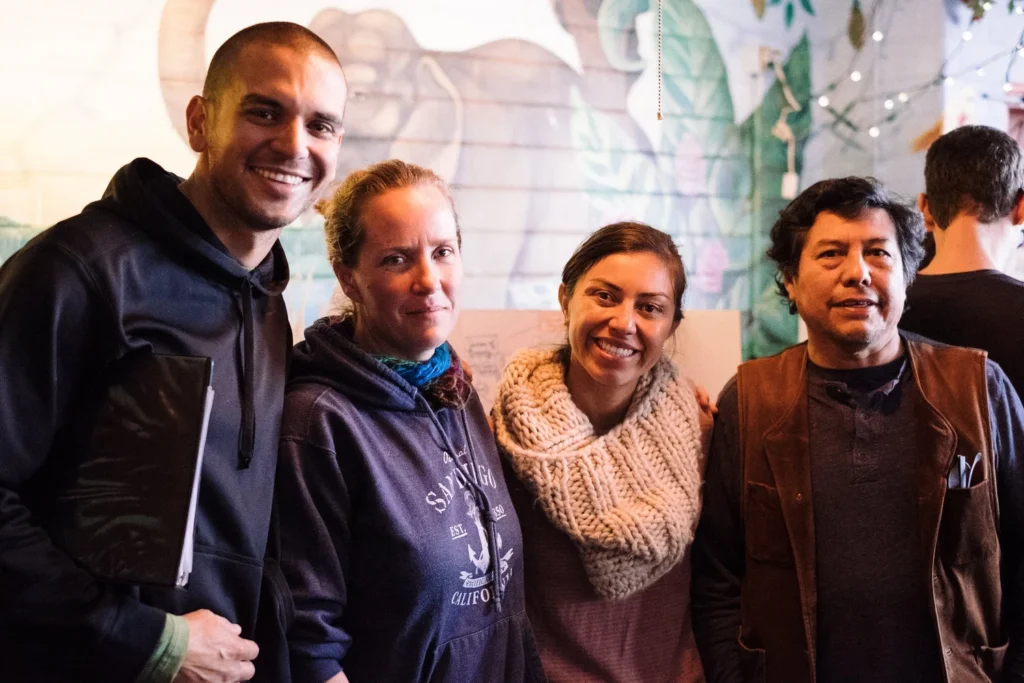
”Our cohort was a diverse crew–many ages and backgrounds–all of us curious about plants, animals, landscape, water, and a yearning for a better way.
ADDITIONAL INFORMATION
Tuition levels
The Third Ethic of Permaculture is Fair Share, or Reinvest the Surplus
Consider paying less if you:
- are a person who experiences discrimination and/or violence related to systematic oppression
- have medical expenses, been denied work, or experienced discrimination related to ableism
- are eligible for public assistance
- have immigration-related expenses
- are a sex worker who experiences occupational discrimination (personal or legislative)
- are an unpaid community organizer
- are a returning citizen who has been denied work due to an incarceration history
- are supporting children or have other dependents
Consider paying more if you:
- own the home you live in
- have investments, retirement accounts, or inherited money
- travel recreationally
- have access to family money and resources in times of need
- work part-time by choice
- have a relatively high degree of earning power due to level of education, gender privilege, racial privilege, class background, etc.
The list above is adapted from the sliding scale explanation from clothing company Black Borders.
PAYMENT METHODS
You can choose to pay the total tuition in one payment, or you may break tuition into 6-month payments for no additional charge.
You may pay with a credit card (online), but we also accept cash or check. Please contact us if you’d like to make a manual payment.
ATTENDANCE POLICY
Full attendance and engagement are required to receive the permaculture design certificate. We know that life happens, so we have created a policy regarding missed classes:
- If a day of class after the first weekend is missed, make-up assignments can be provided
- If more than two full days of the course are missed, participants can still receive a certificate after attending the equivalent portions of another PDC.
The course is offered each year, and there are other similar courses in the area, so you will likely be able to make up missed classes at no additional charge. However, because participation at the beginning of the course is essential, our policy is that students who miss the first weekend will not be allowed to continue in that year’s PDC. You will be offered the option to defer to the following year for no additional cost.
Additionally, because the final weekend is the culmination of group projects, attendance at that weekend is required in order to receive your design certificate. Contact us if you have an extenuating circumstance or other questions.
REFUND POLICY
Refunds are available until a few weeks before a course is scheduled to begin.
Upon registration, a $350 deposit is requested, which is refundable upon cancellation, minus a 10% administrative fee of $35.
You may also transfer your registration and payment to next year’s course without penalty. This can only be done once, and it’s best to talk to a course organizer about those options.