

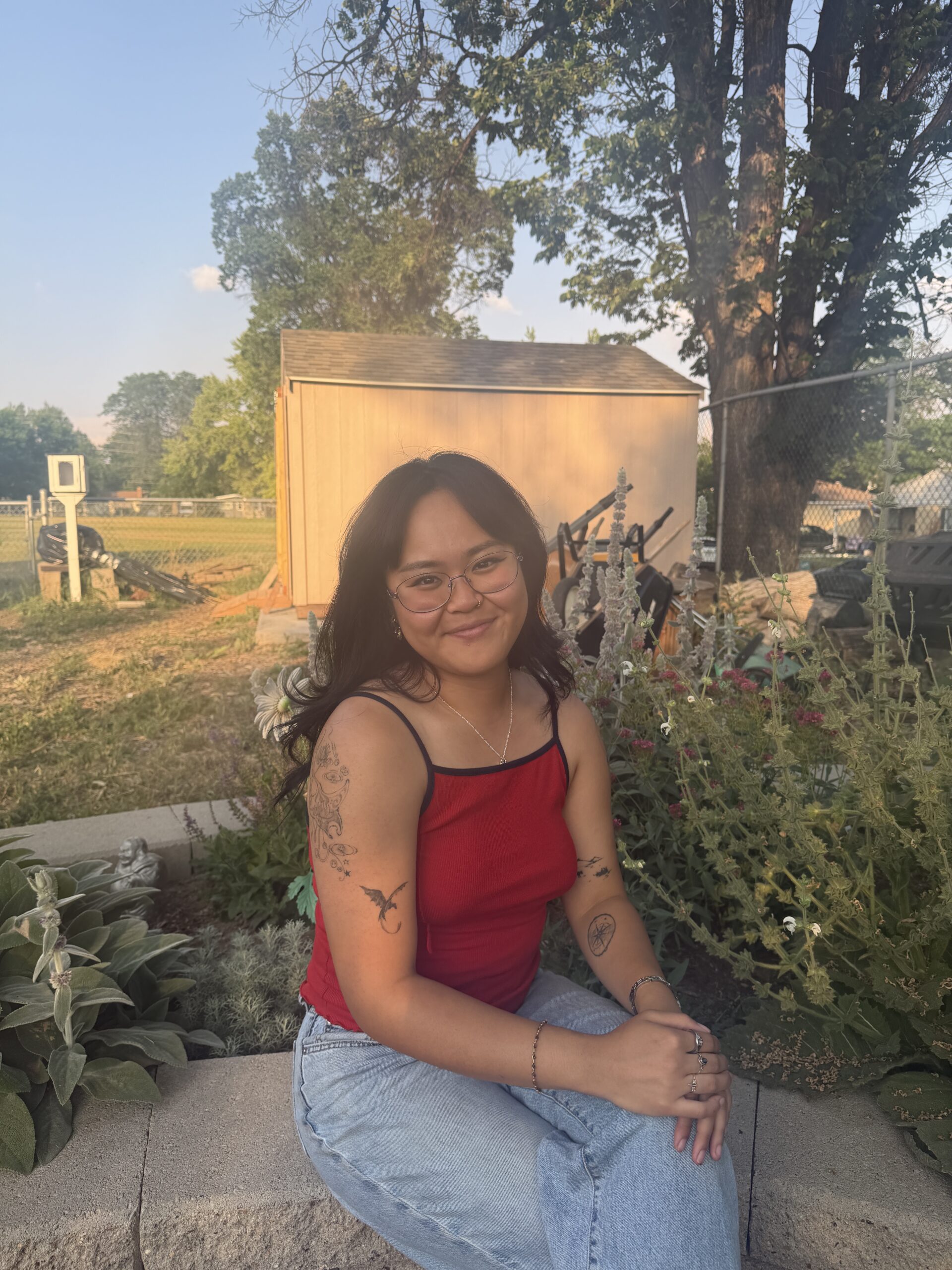
A garden is a place where seeds are planted—but it’s also a place where relationships grow.
At DUG, we believe community gardens are about more than growing food. They are spaces where neighbors connect, cultures are shared, and people from different backgrounds come together around something we all have in common: our connection to the earth.
For many gardeners, belonging begins with something simple—a conversation over a garden bed, sharing a harvest, or learning how someone else grows food.
We spoke with three community members—Mo McKenna, Samantha, and Areti—to learn what growing food alongside others has taught them about belonging.
Creating Spaces Where People Connect
For Mo McCanna, community gardens show that people are looking for spaces where they can connect with the land and with each other.
“People are eager for a space and an area—something like a community garden—to come to and work with the soil and grow food plants that are personal to them.”
As Mo has spent time in community gardens, they’ve noticed how quickly people are drawn into these shared spaces.
“People are drawn to us when we’re engaging the area. They want to learn more. They want to get involved.”
Community gardens invite participation in a way that feels natural. A person may stop by because they are curious about what’s growing, ask a question, or offer a helping hand—and that small interaction can become the beginning of a new connection.
“If you build it, they will come—and if you activate it, they will come—because people are eager for that sense of belonging and engaging with each other and with food.”
Growing Patience, Kindness, and Connection
For Samantha, growing food has always been connected to bringing people together.
Food has a unique ability to create community, but gardening adds another layer: the shared experience of caring for something over time.
“Food has always been at the center of my life and it’s always brought people together. And I think growing food just takes it one step further.”
Gardening requires patience, care, and kindness—not only toward plants, but toward ourselves and each other.
“Growing takes a lot of time, a lot of patience, and also a lot of kindness and being kind to yourself.”
Community gardens create a space where people can share the challenges and joys of growing without pressure.
“You kind of share those hardships in a way that isn’t high stakes. You’re growing food for the most part. And so it’s nice to share something like that in a space where you can feel relaxed and be more connected with the earth and with other people around you.”
We All Belong to the Same Earth
For Areti, community gardening is a reminder that despite our different backgrounds and experiences, we share a common connection.
“Growing food in community has taught me that we all belong to the same earth.”
DUG gardens bring together gardeners from around the world, each bringing their own stories, traditions, and knowledge.
Areti shared a conversation with an Afghan gardener that captured the heart of community gardening:
“We are all just people.”
That simple reminder reflects the power of shared spaces.
“We all belong to the same earth and we’re all growing food together. We all have an opportunity to learn from one another and grow food together.”
Community Gardens Are Places to Put Down Roots
Every garden is shaped by the people who care for it.
The vegetables, flowers, and pollinator plants growing in DUG gardens are important—but so are the friendships, memories, and connections that grow alongside them.
Community gardens create opportunities for people to learn from one another, celebrate different cultures, and build relationships with neighbors they may have never met otherwise.
Because belonging isn’t something that happens overnight. Like a garden, it grows with care, patience, and community.
At DUG, we’re proud to cultivate spaces where everyone has the opportunity to connect, contribute, and put down roots.
Learn more about DUG community gardens and how you can get involved.
