What are Pollinator Gardens
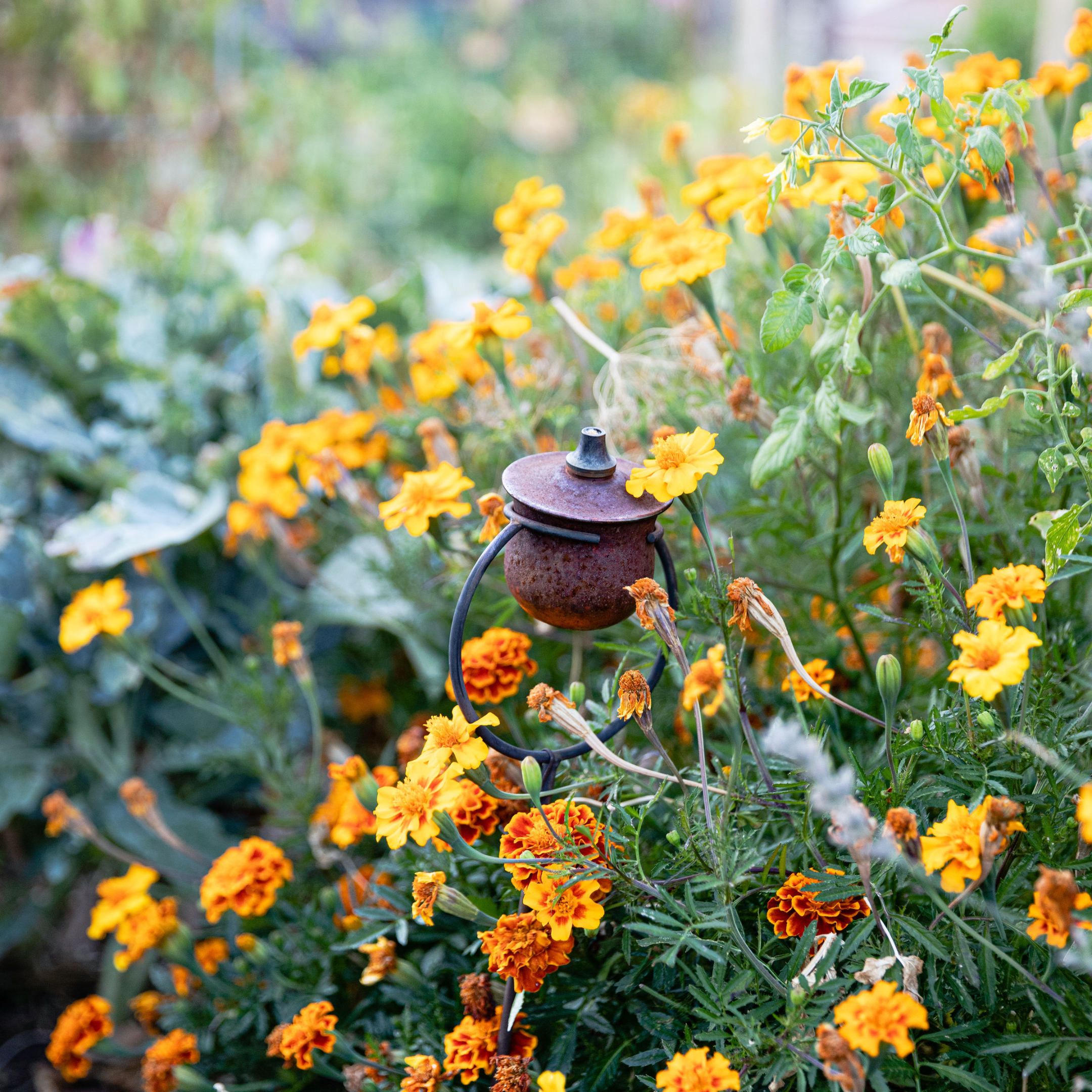
Step into almost any thriving garden in the Colorado Front Range during the height of summer and you’ll hear it before you fully notice it: the hum of bees moving between flowers, the flutter of butterflies drifting across pathways, the quick flash of a hummingbird stopping midair for nectar.
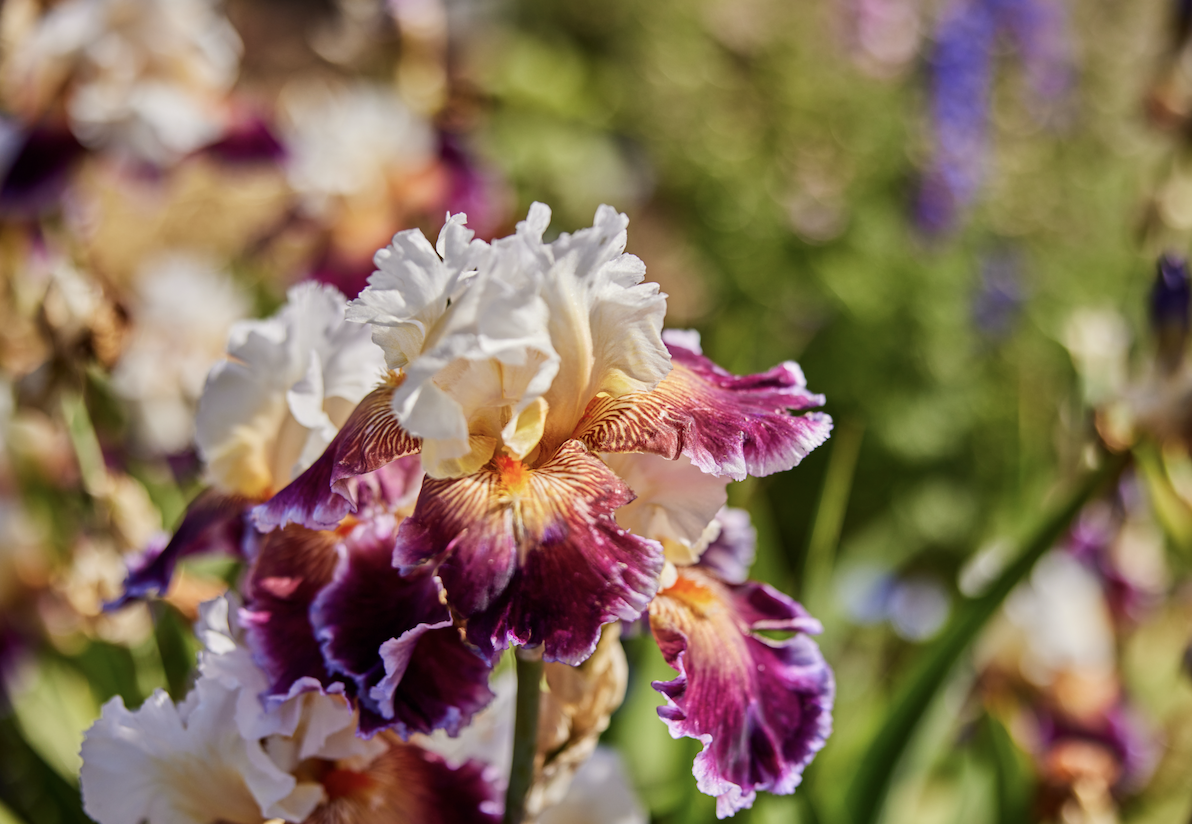
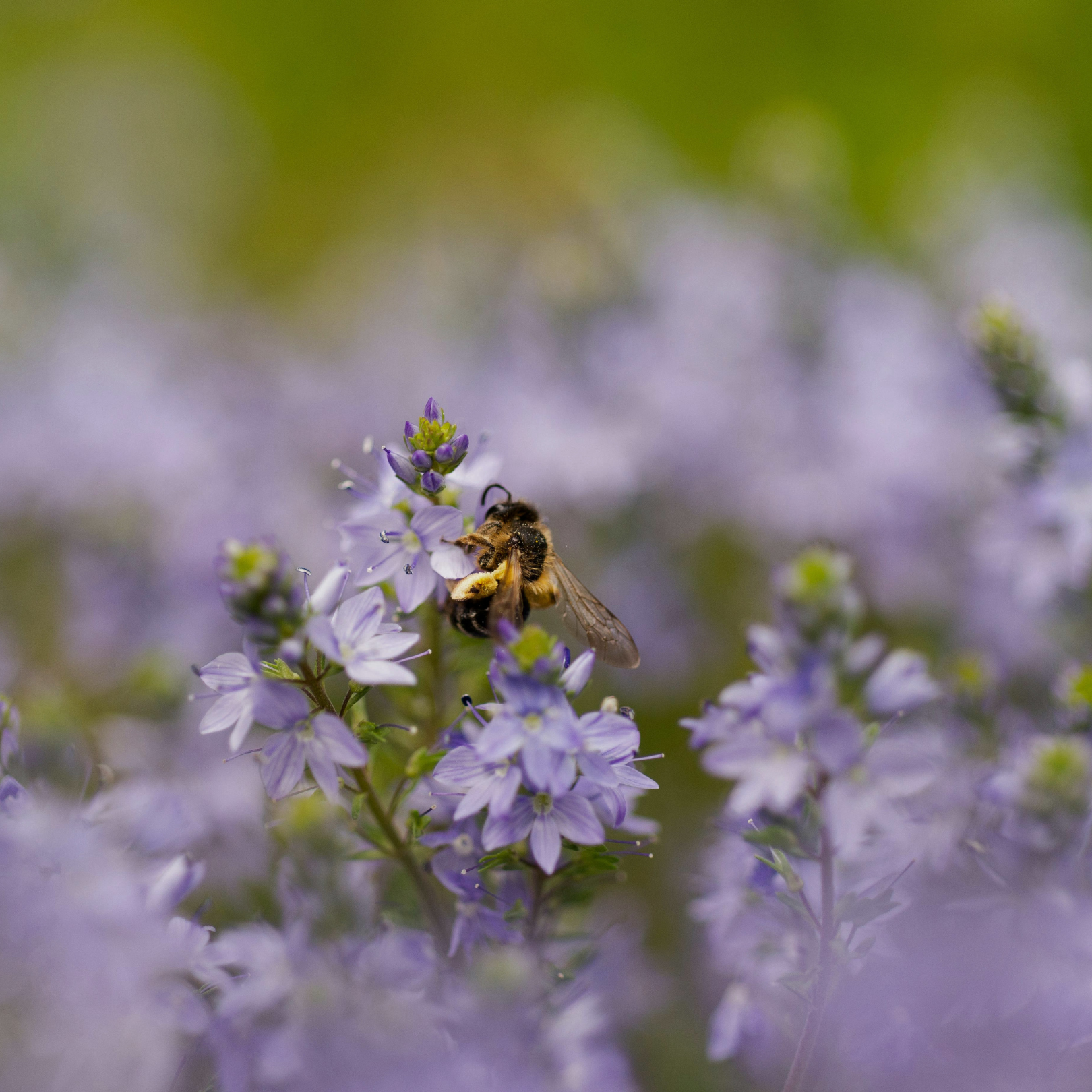
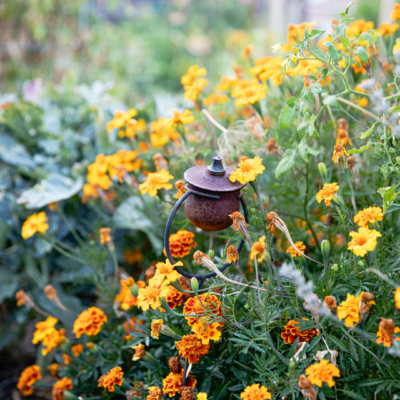
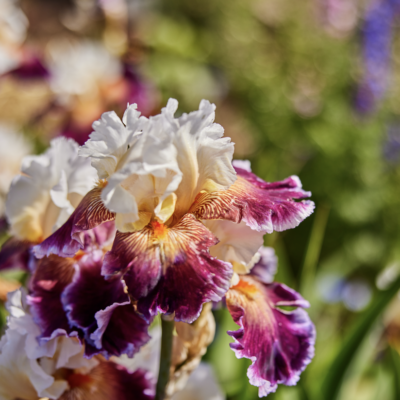
Pollinator gardens are spaces intentionally planted to support these essential creatures. They provide nectar, pollen, habitat, shelter, and seasonal food sources for bees, butterflies, moths, hummingbirds, beetles, and other beneficial insects that help ecosystems and food systems thrive.
And in urban areas like Denver, they matter more than ever.
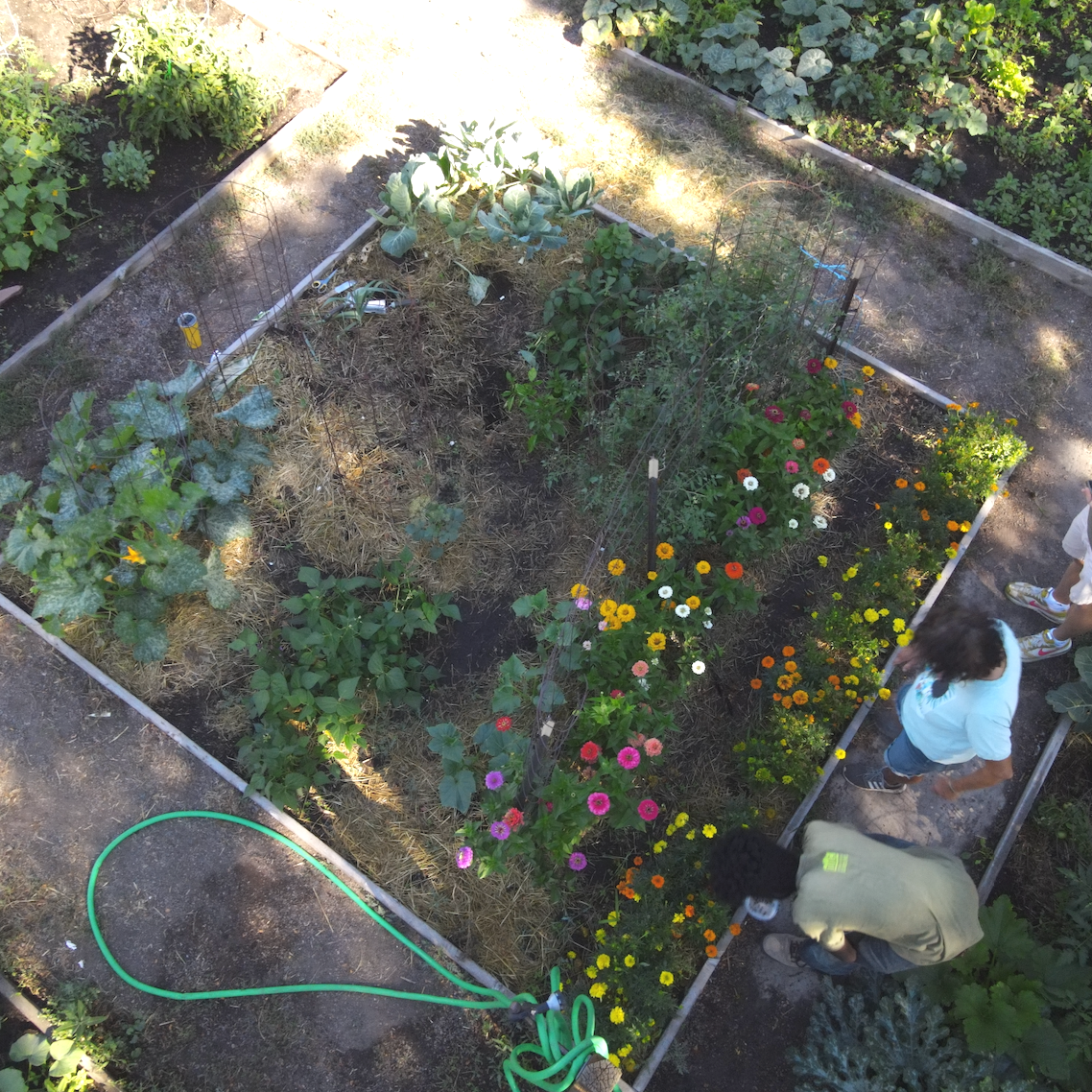
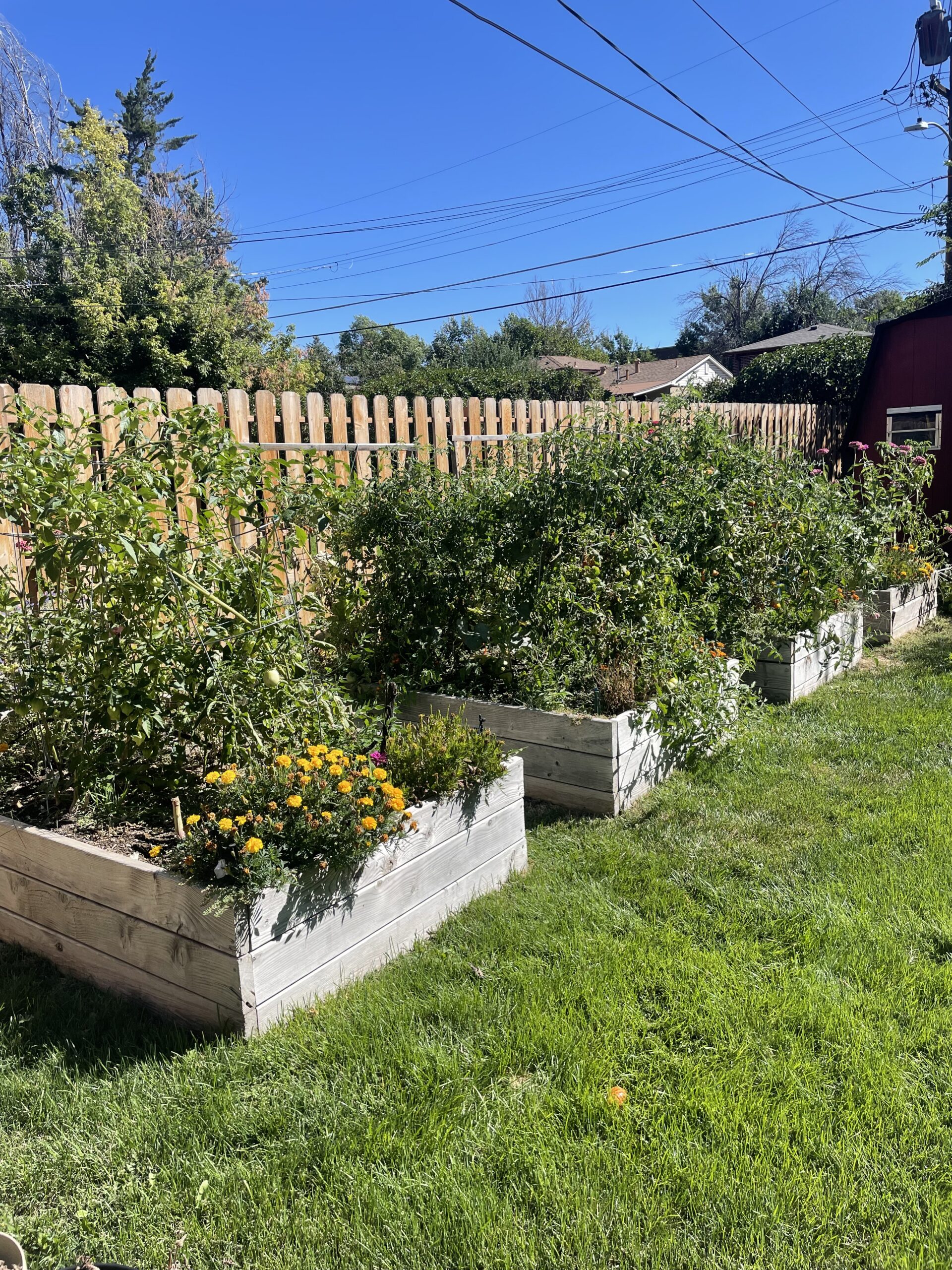
As natural landscapes continue to shrink due to development, drought, and climate pressures, community gardens, food forests, balconies, schoolyards, and backyard plots become critical refuges for pollinators. Urban green spaces may seem small individually, but together they create connected habitat corridors across the city.
A pollinator garden doesn’t need to be large or elaborate. Even a few well-chosen plants on a balcony can make a real difference.
What to Grow
One of the best ways to support pollinators is to grow a diversity of flowering plants that bloom throughout the season. Native and drought-tolerant plants are especially valuable in Colorado because they are adapted to our intense sun, temperature swings, clay soils, and water limitations.
Native Colorado plants
Rocky Mountain bee plant: Full sun | Low water once established
One of Colorado’s most important native pollinator plants. Its tall stems and striking pink-purple blooms attract native bees, honeybees, butterflies, and other beneficial insects throughout summer. Because it thrives in heat and dry conditions, it’s an excellent choice for water-wise gardens.
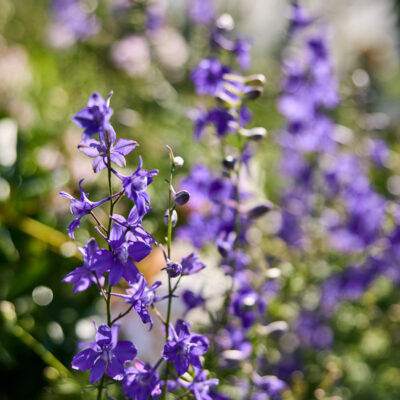
Blue wild indigo: Full sun | Low to moderate water
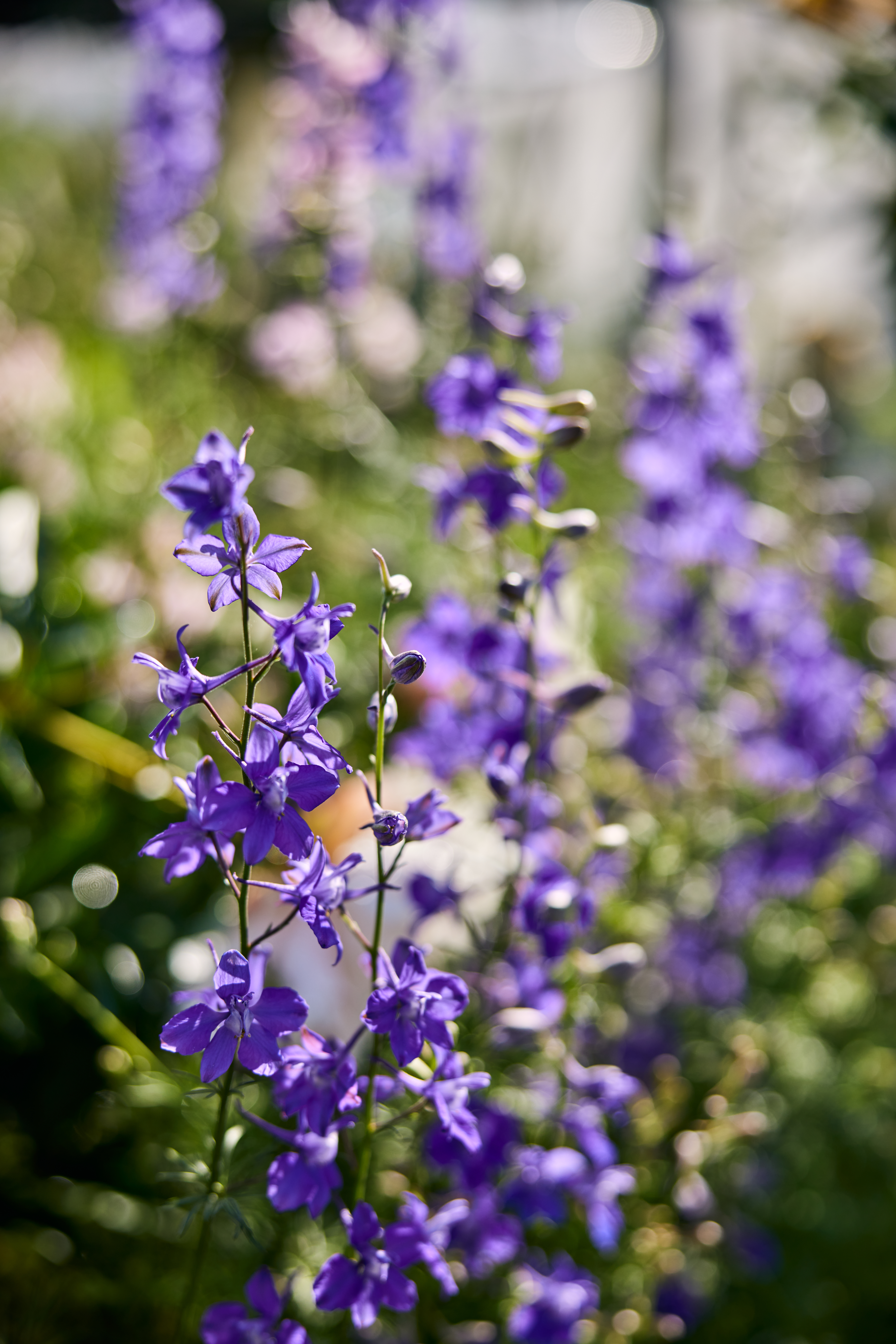
A beautiful perennial with deep blue-purple flowers beloved by bumblebees. Wild indigo is also a nitrogen fixer, meaning it helps improve soil health naturally over time. Long-lived and resilient, it supports both pollinators and healthy garden ecosystems.
Purple coneflower (Echinacea): Full sun | Low water
A Colorado garden classic. Coneflowers attract bees and butterflies all summer long, while their seed heads provide food for birds in fall and winter. Leave the seed heads standing after blooming season to create habitat and winter forage.
Goldenrod: Full sun | Low water
Goldenrod is one of the most valuable late-season pollinator plants because it blooms when many other flowers have faded. It provides critical nectar and pollen sources heading into fall. Contrary to popular belief, goldenrod does not cause seasonal allergies; its pollen is heavy and insect-pollinated, not windborne.
Penstemon: Full sun | Very low water
Penstemon’s tubular flowers are especially loved by hummingbirds. Many varieties are native to Colorado and exceptionally drought-tolerant once established. Their blooms also add striking vertical texture to pollinator gardens.
Edible and Multi-Purpose Plants
Pollinator gardens can also feed people. Many flowering herbs and edible plants support pollinators while offering culinary, medicinal, or sensory uses for gardeners.
Borage: Full sun | Low water
This annual is known for its brilliant blue star-shaped flowers, borage is one of the best bee plants you can grow. The edible flowers have a mild cucumber flavor and look beautiful in drinks and salads.
Calendula: Full sun | Moderate water
This annual is easy to grow and incredibly cheerful; calendula blooms for months and attracts bees continuously throughout the season. Its petals are edible and traditionally valued for their anti-inflammatory properties.
Nasturtiums: Full sun | Low water
This annual is a pollinator magnet and kitchen favorite. Nasturtium flowers and leaves add a peppery flavor to salads and garnishes. They also spill beautifully from containers and raised beds.
Bee balm (Monarda): Full sun | Moderate water
As the name suggests, pollinators adore perennial bee balm. Bees, butterflies, and hummingbirds all flock to its vibrant blooms. Its fragrant leaves are also commonly used in herbal teas.
Lavender: Full sun | Low water
Lavender supports pollinators from early summer through fall while adding fragrance and structure to the garden. This perennial is also incredibly versatile for teas, baking, infused drinks, sachets, and drying.
Sunflowers: Full sun | Low to moderate water
This annual is one of the best single plants for supporting pollinators. Bees work sunflower heads intensely throughout the blooming season. Choose open-faced varieties over heavily double-petaled blooms, which can make nectar and pollen harder for pollinators to access.
Agastache: Full sun | Moderate water
Often called “hummingbird mint,” this perennial attracts hummingbirds, butterflies, bees, and even goldfinches later in the season when seeds develop. The fragrant leaves are excellent for teas, infused drinks, and sensory sachets.
How to Design a Pollinator Garden
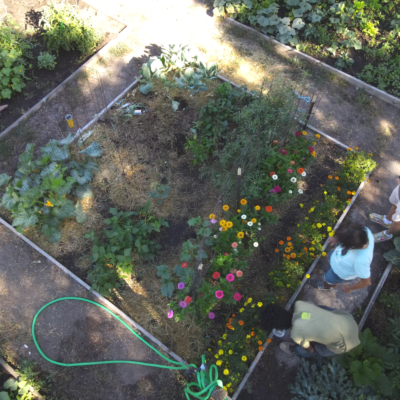
The most successful pollinator gardens focus less on perfection and more on diversity, layering, and seasonal blooms. Because many pollinator-friendly plants thrive in similar conditions (e.g., full sun and low-to-moderate watering), they grow well together in mixed plantings.
You also don’t need to start over and redesign your entire garden. Simple add-ons or switches can make a hige difference for our pollinator friends.
A few simple design tips:
- Place taller plants like sunflowers toward the north side or back of garden beds so they don’t shade smaller flowers
- Mix flower shapes and bloom sizes to support different pollinator species
- Include plants that bloom from spring through fall for a continuous bloom
- Group similar flowers together in clusters so pollinators can forage efficiently
- Incorporate native plants whenever possible
- Add water sources, like dishes with pebbles, to give butterflies and birds a place to drink during hot Colorado days
- Let your herbs, like cilantro and thyme, flower
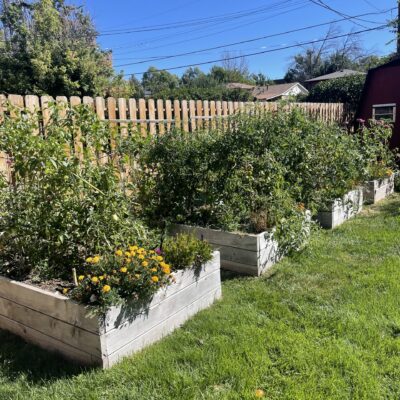
Containers are also excellent pollinator habitats, especially for renters, apartment dwellers, and gardeners with limited space. Containers offer flexibility while allowing you to control soil quality, drainage, and sun exposure more easily.
Even a small patio can become a meaningful pollinator stop.
Join DUG’s Upcoming Workshop
Want to invite pollinators into your growing space but don’t know where to start? Join DUG’s in-person and interactive workshop, Pollinators in the Garden, on July 30, 2026. Registration is required!
📆 Tuesday, July 30, 2026
🕠 6-8pm
📍Posner Center for International Development