

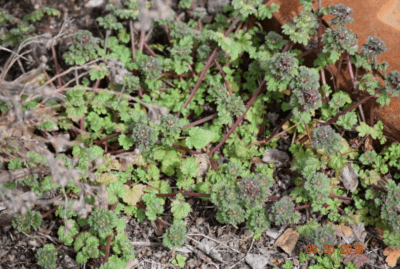
One of the most common questions we hear from our gardeners is, “Can I compost weeds?“
The short answer? Sometimes.
The longer answer is that it depends on three things:
- Has it gone to seed?
- Can it regrow from its roots?
- Is your compost pile hot enough to kill it?
If you’re composting at home, you may decide to take a little more risk with what you choose to compost. But in a shared community compost pile, it’s worth being cautious. One handful of mature weed seeds can become hundreds of new weeds for everyone next season.
Fortunately, once you understand a few basic rules, knowing what to go into a community compost pile gets pretty simple.
Rule #1: Never Compost Plants That Have Gone To Seed
This is where many gardeners get confused.
Annual weeds live for one season. If you pull them before they produce seeds, all are perfectly safe to compost.
Common Colorado annual weed examples include:
These mostly have shallow, fibrous roots that won’t regrow once they’re pulled.

Mature Annual Bluegrass Plant (Jack Kelly Clark, UC IPM)
Perennials are different. Many spread through:
- underground stems (rhizomes)
- creeping roots
- taproots
Common Colorado perennial weed examples include:
Even root fragments can grow into new plants, so for perennials, compost only the leafy tops (if appropriate) and dispose of the roots elsewhere.

Flowering Bindweed Plant
Rule #2: Know the Difference Between Annual and Perennial Weeds
This is the easiest rule.
If a weed has already produced seeds—or looks like it’s about to—keep it out of the compost.
Many community compost piles don’t consistently reach temperatures hot enough to kill every seed. If those seeds survive, they’ll end up spread throughout the garden when the finished compost is used.
Good examples of weeds with lots of spreading seeds include:
Our rule of thumb: If you can shake seeds off the plant, don’t compost it.

Kochia flowering stem (Anita Dille, Kansas State University)
Rule #3: When in Doubt, Leave It Out
Community compost isn’t the place to experiment. When you come across a plant you can’t confidently identify, or one you know is especially invasive or hazardous, don’t add it to the compost.
This includes:
- Poison hemlock – A highly toxic plant that should never be composted.
- Locoweed – A toxic native plant that DUG recommends keeping out of community compost.
- Any invasive or noxious weed that has spread aggressively throughout the garden and you’re unsure how it reproduces.
When in doubt, dispose of it outside of the garden rather than risking the health of the compost pile.

Colorado Locoweed (Marilyn Phillips, Wildflowers of the Southern Rocky Mountains)
As you weed your garden, sort plants into three groups: safe to compost, compost with caution, and don’t compost. Add weeds that are safe to your community compost pile, chopping larger plants into smaller pieces to help them break down more quickly. Mix them with plenty of carbon-rich materials, like dried leaves or straw, to create a healthy balance in the pile. For weeds that require extra caution, let them dry completely on a tarp in the sun or place them in a designated weed composting area before deciding how to dispose of them.
Where to put weeds that don’t belong in a community compost bin
You may have thought that compost piles can kill weed seeds and roots. That’s true—but only if the pile reaches and maintains high enough temperatures (around 160 degrees) throughout the entire composting process. Most community garden compost piles are managed by volunteers and vary in size, moisture, and temperature throughout the season. While parts of the pile may get hot enough, other areas often stay much cooler. Seeds and root fragments in those cooler areas can survive and sprout when the finished compost is spread back into garden beds.
Commercial composting facilities are different. They carefully monitor temperatures and regularly turn compost piles to ensure all of the material reaches temperatures high enough to kill many weed seeds and plant pathogens. If you have weeds that aren’t suitable for your community compost pile, consider taking them to a commercial composting facility instead. Several facilities throughout the Denver metro area accept yard waste for composting.
If you live in the City and County of Denver, you may also be eligible for weekly curbside compost collection through Denver’s Green Cart program. It’s an easy way to compost yard waste—including many weeds—without risking the spread of invasive plants in your community garden.
