At DUG, we often say that healthy soil grows more than just food; it grows community, climate resilience, and connection. Compost is at the center of that story. It’s the quiet, powerful process that turns yesterday’s scraps into tomorrow’s nourishment.
That’s why we’re excited to deepen our partnership with Compost Colorado (CoCo), bringing composting to life at DUG’s signature events and throughout the community.
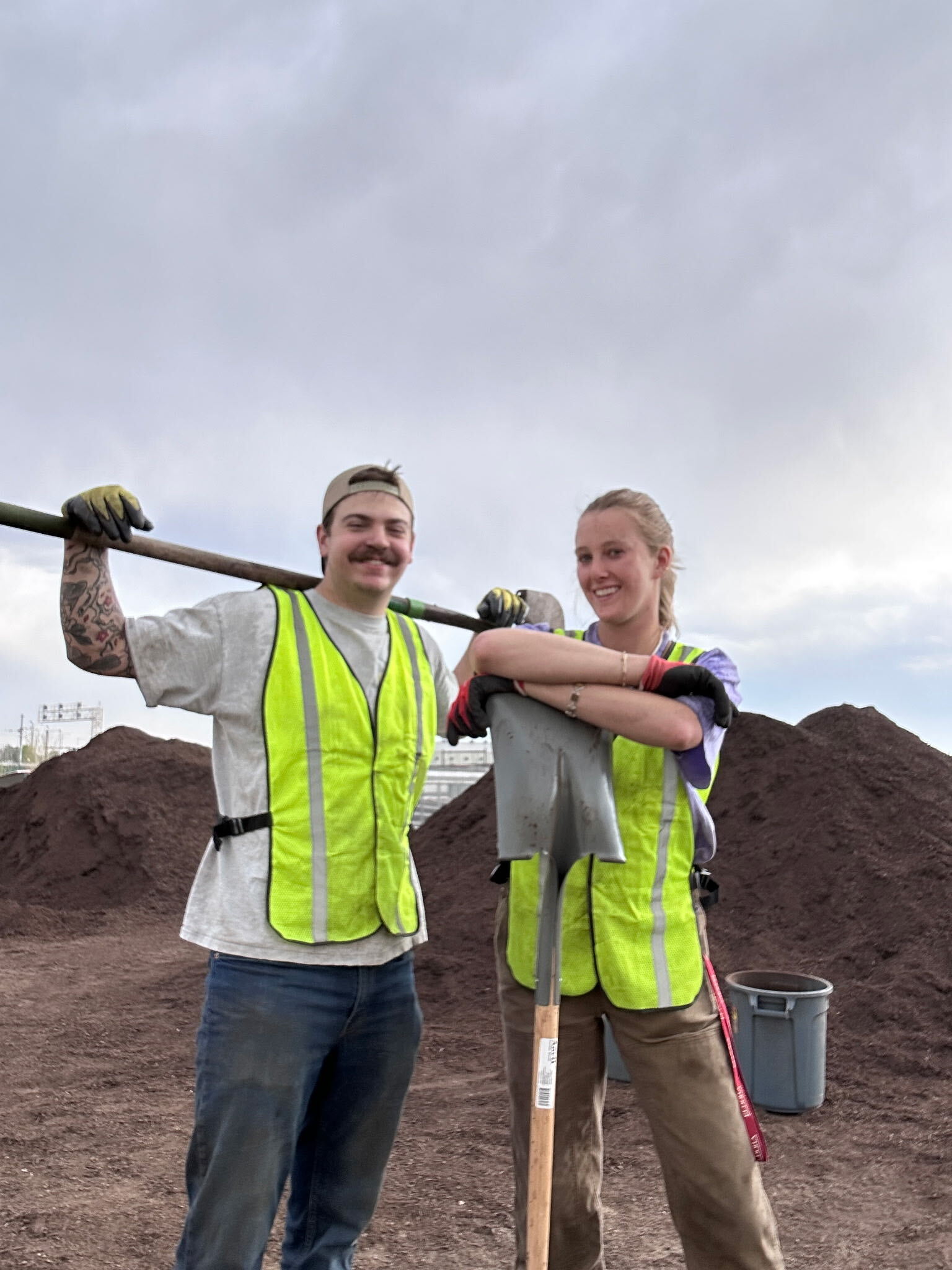
From Scraps to Soil: Right Where We Are
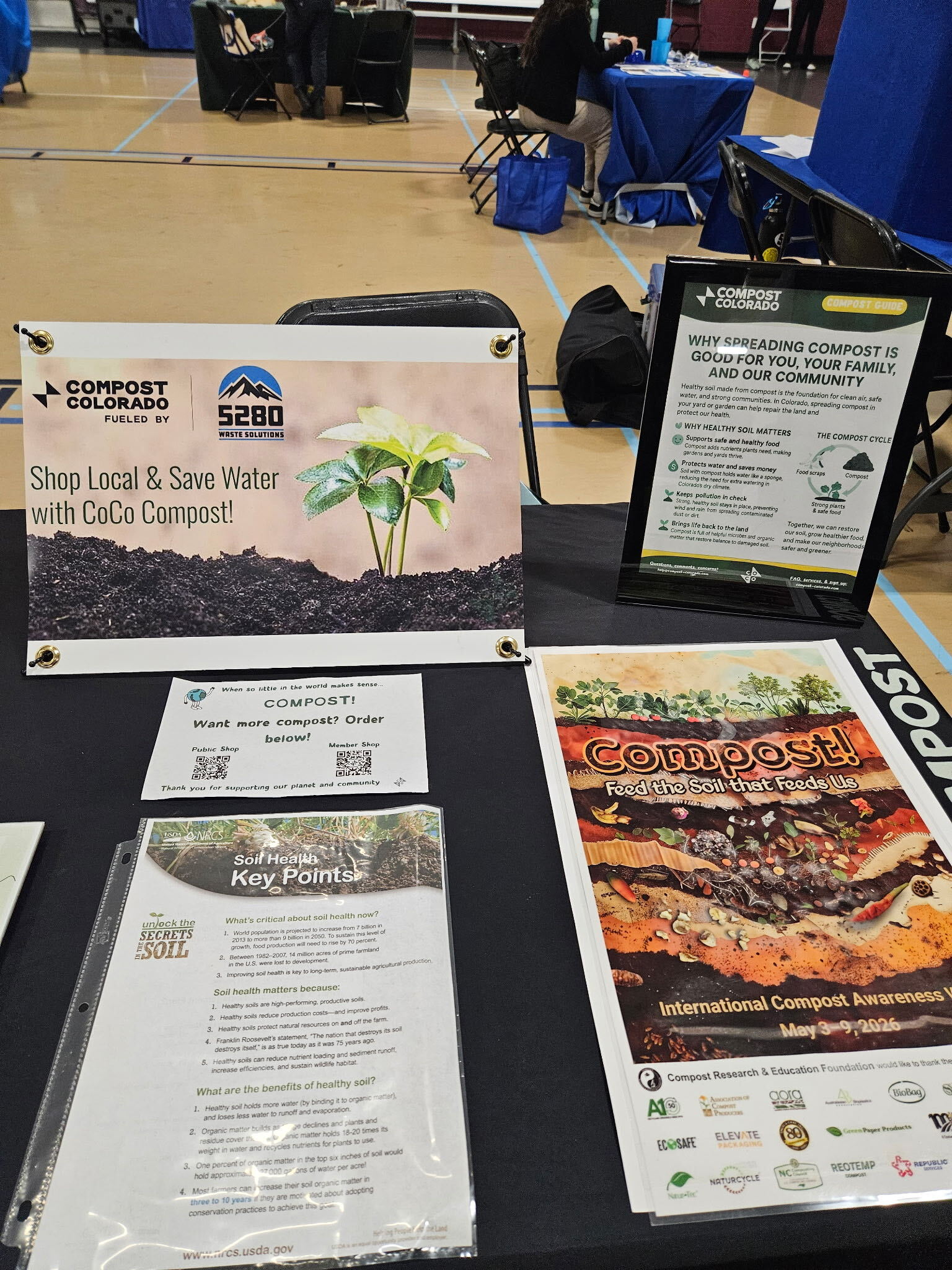
Composting is one of the most tangible ways we can reduce waste and regenerate our urban landscapes. When organic materials are diverted from landfills, they avoid producing harmful greenhouse gases and instead become a nutrient-rich soil amendment that improves plant health and water retention.
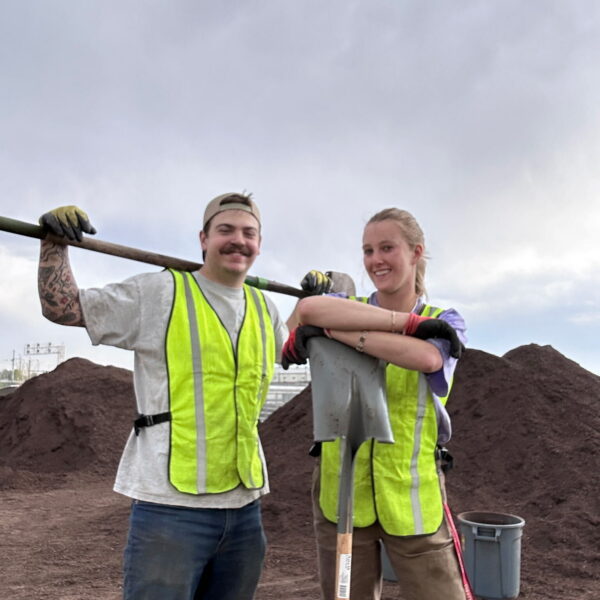
Compost Colorado operates Denver’s first official commercial compost site, processing food scraps and BPI-certified compostable packaging into finished compost.
Their recent merger with 5280 Waste Solutions and Wompost is set to increase access to composting in metro Denver and continue expanding education on waste reduction.
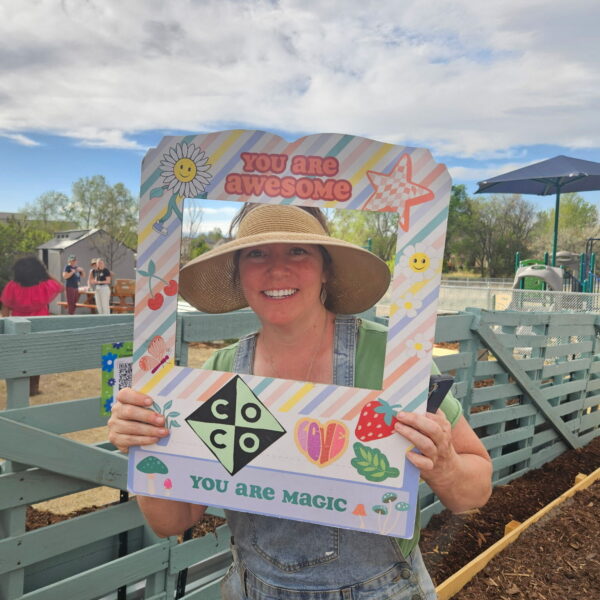
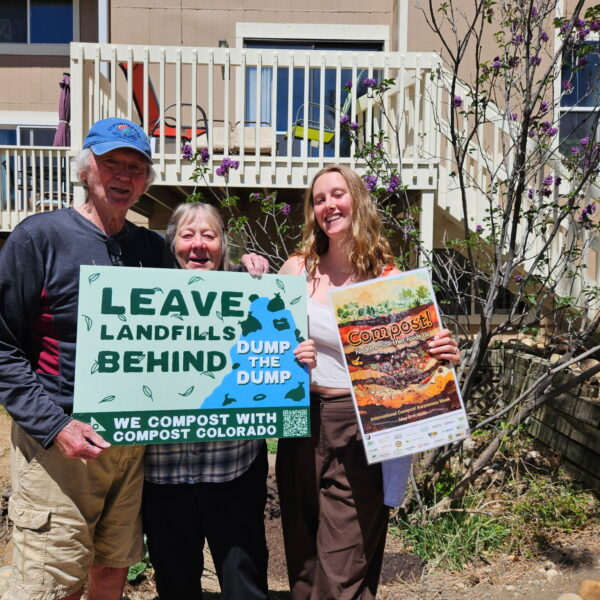
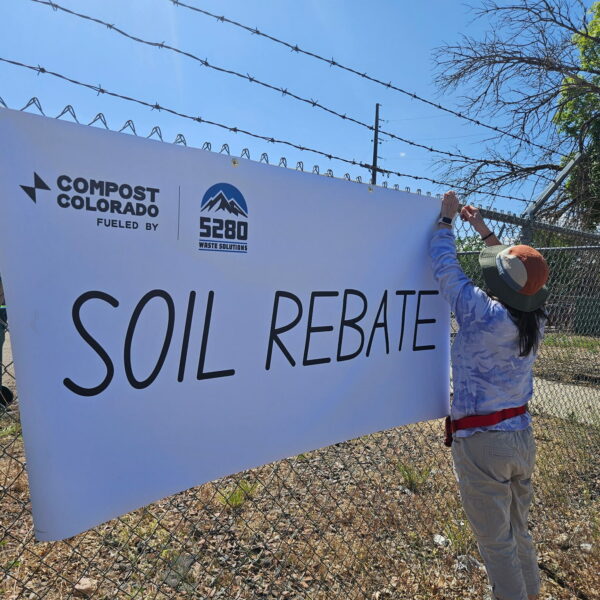
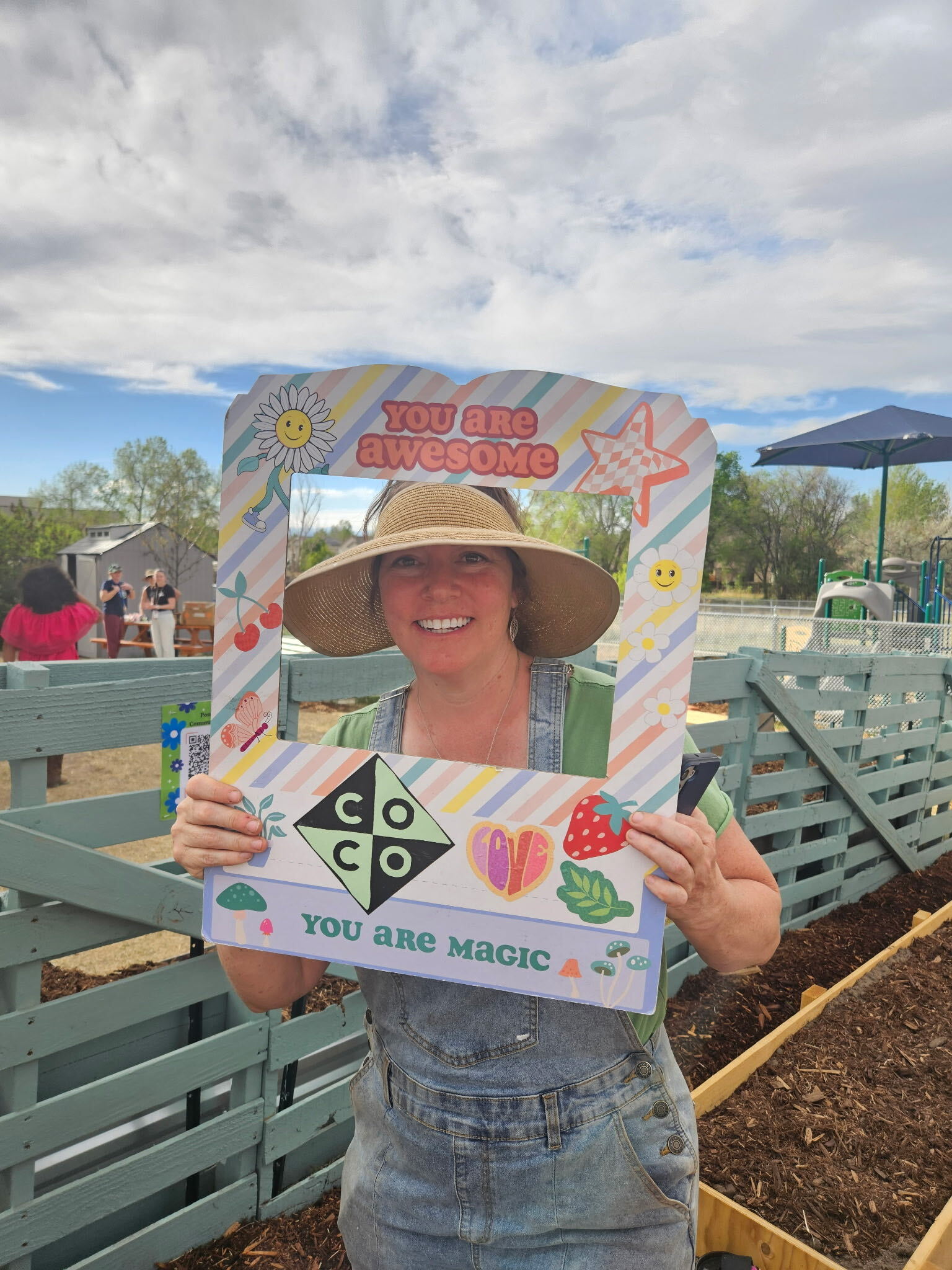
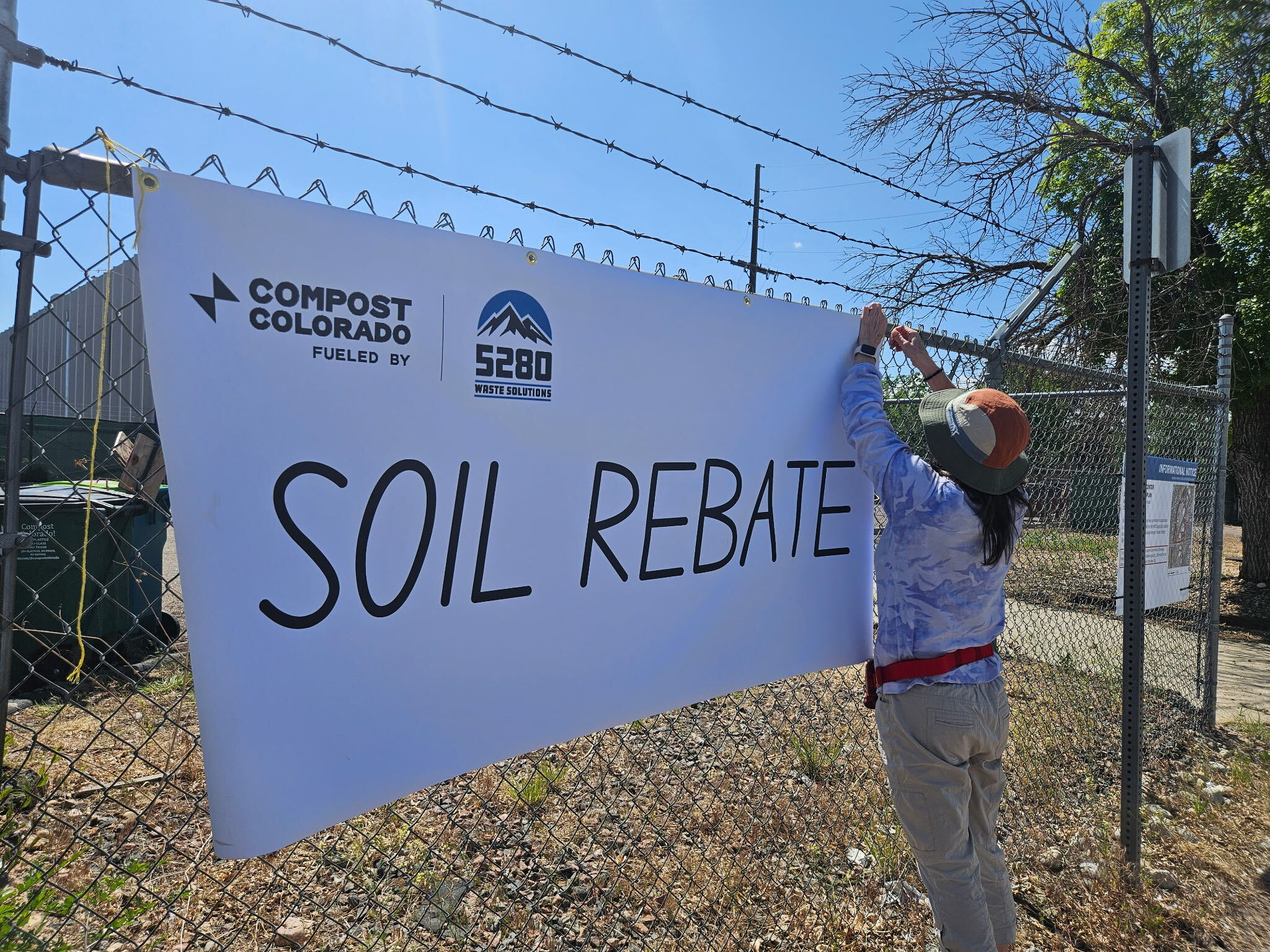
Through our partnership with Compost Colorado, we’re making that process visible, accessible, and actionable at the places where our community already gathers. In Lakewood, this means a garden-based drop-off site there, with a special $5 residential membership. All other residential sign-ups can get 50% off for 3 months by signing up here.
Composting in Action at DUG Events
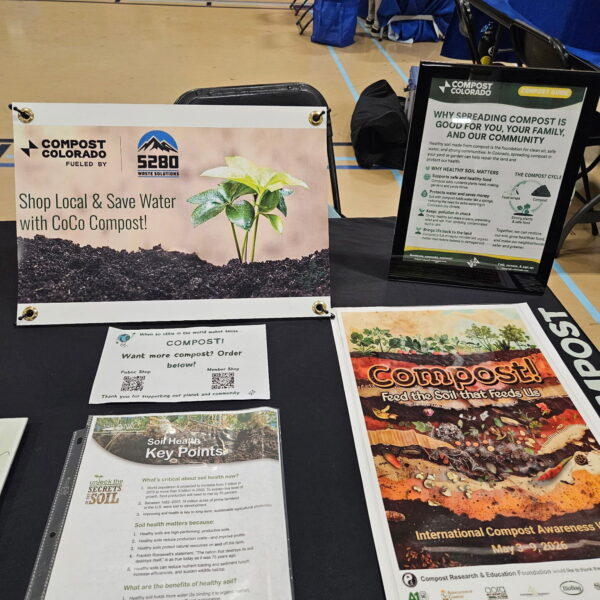
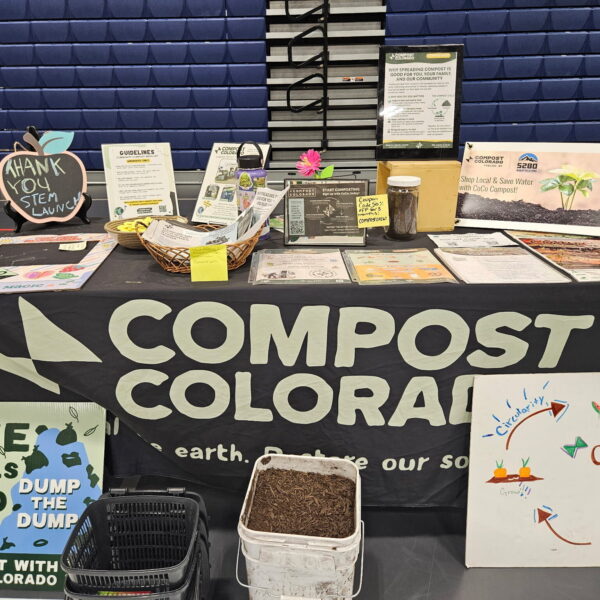
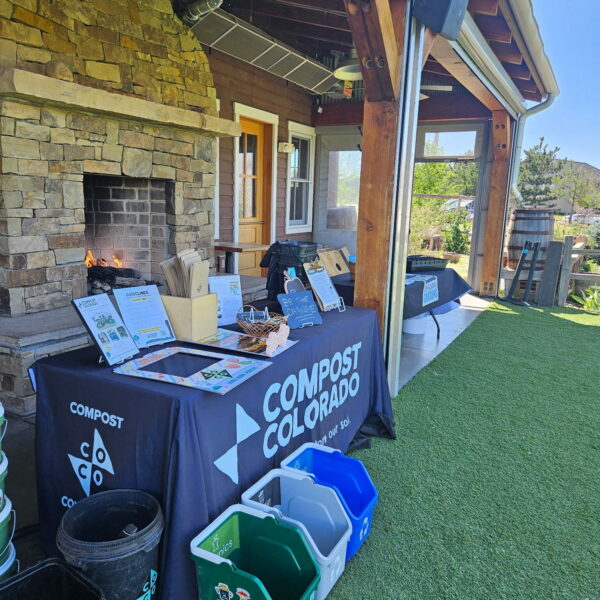
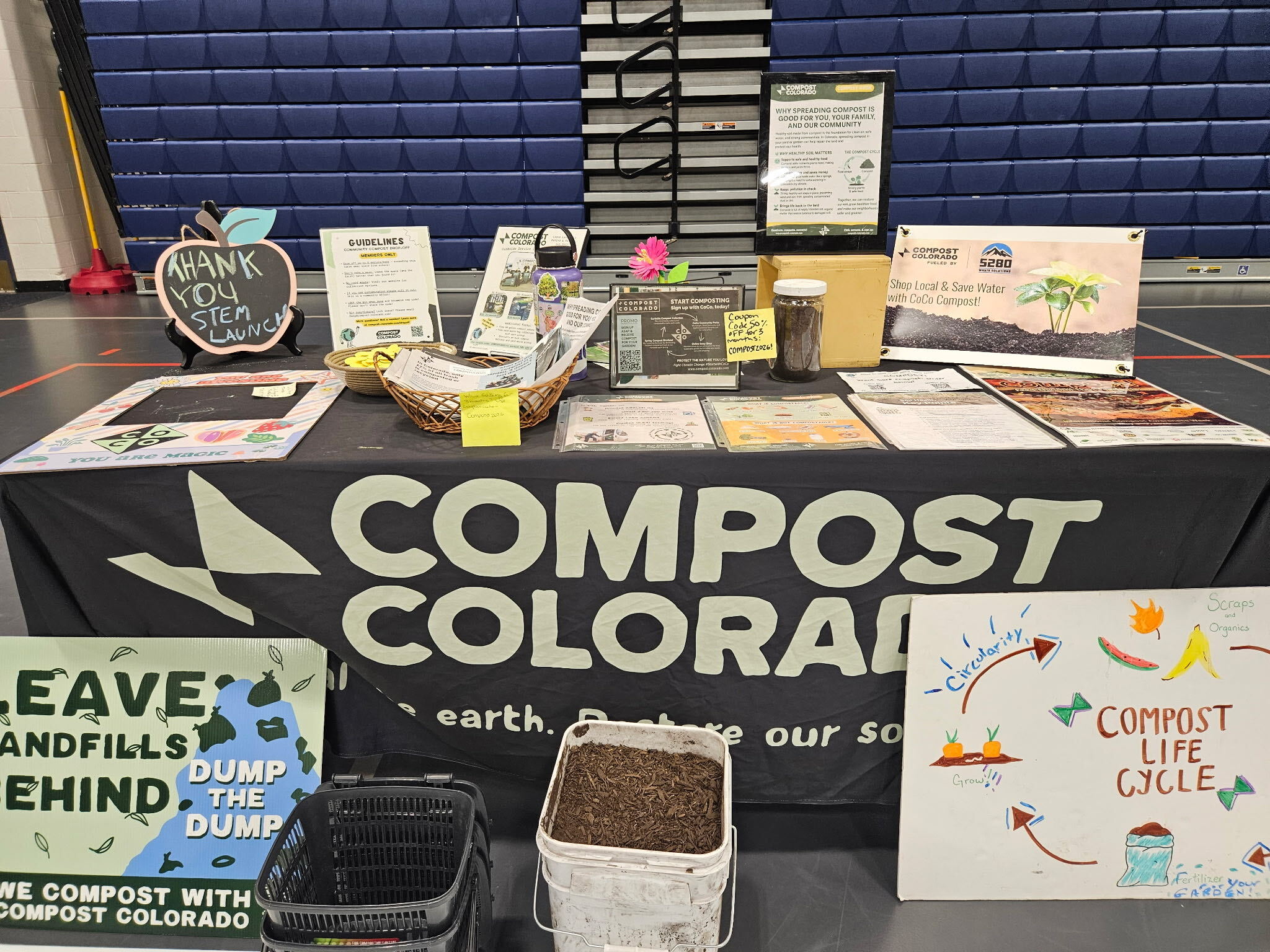
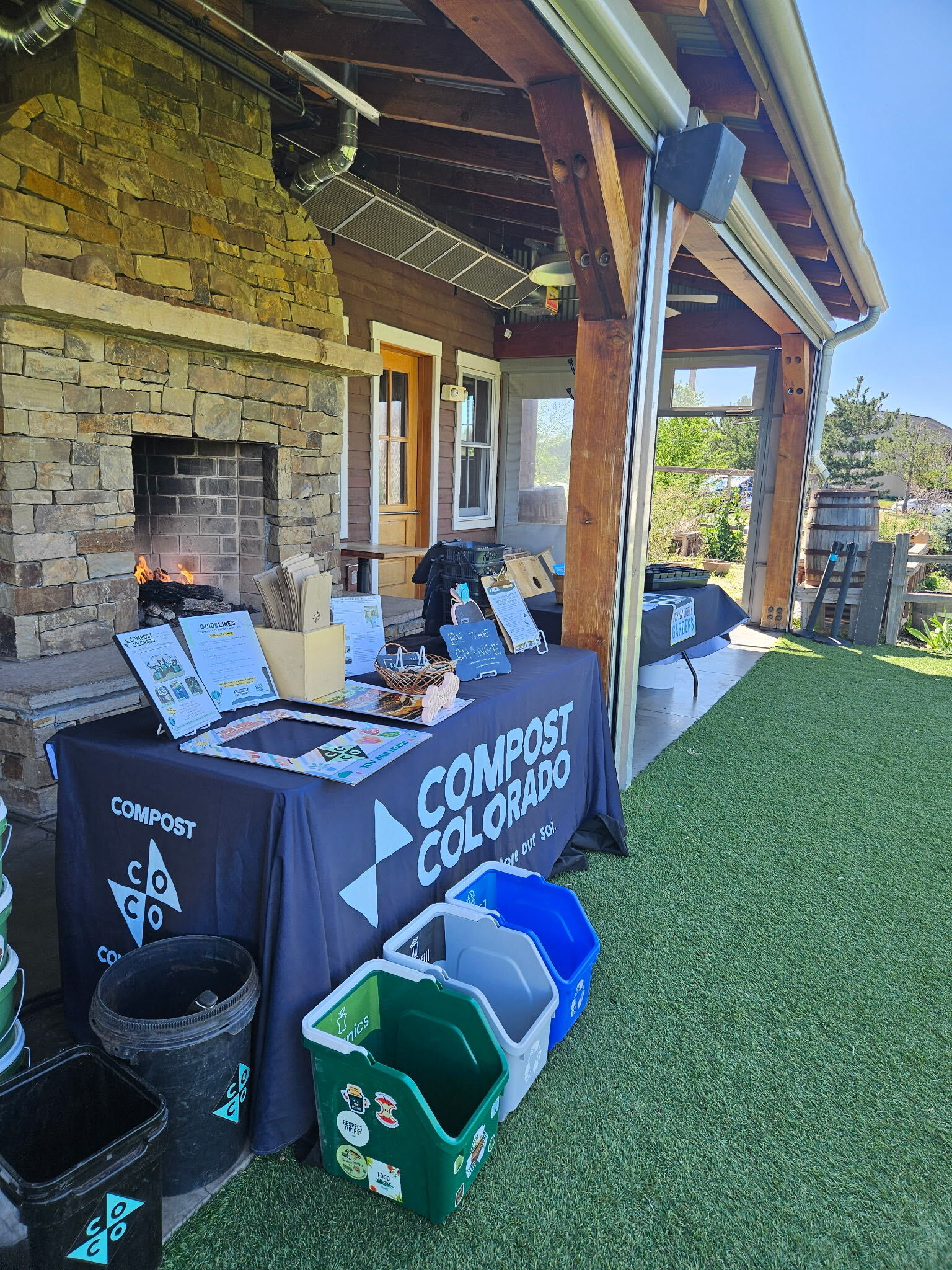
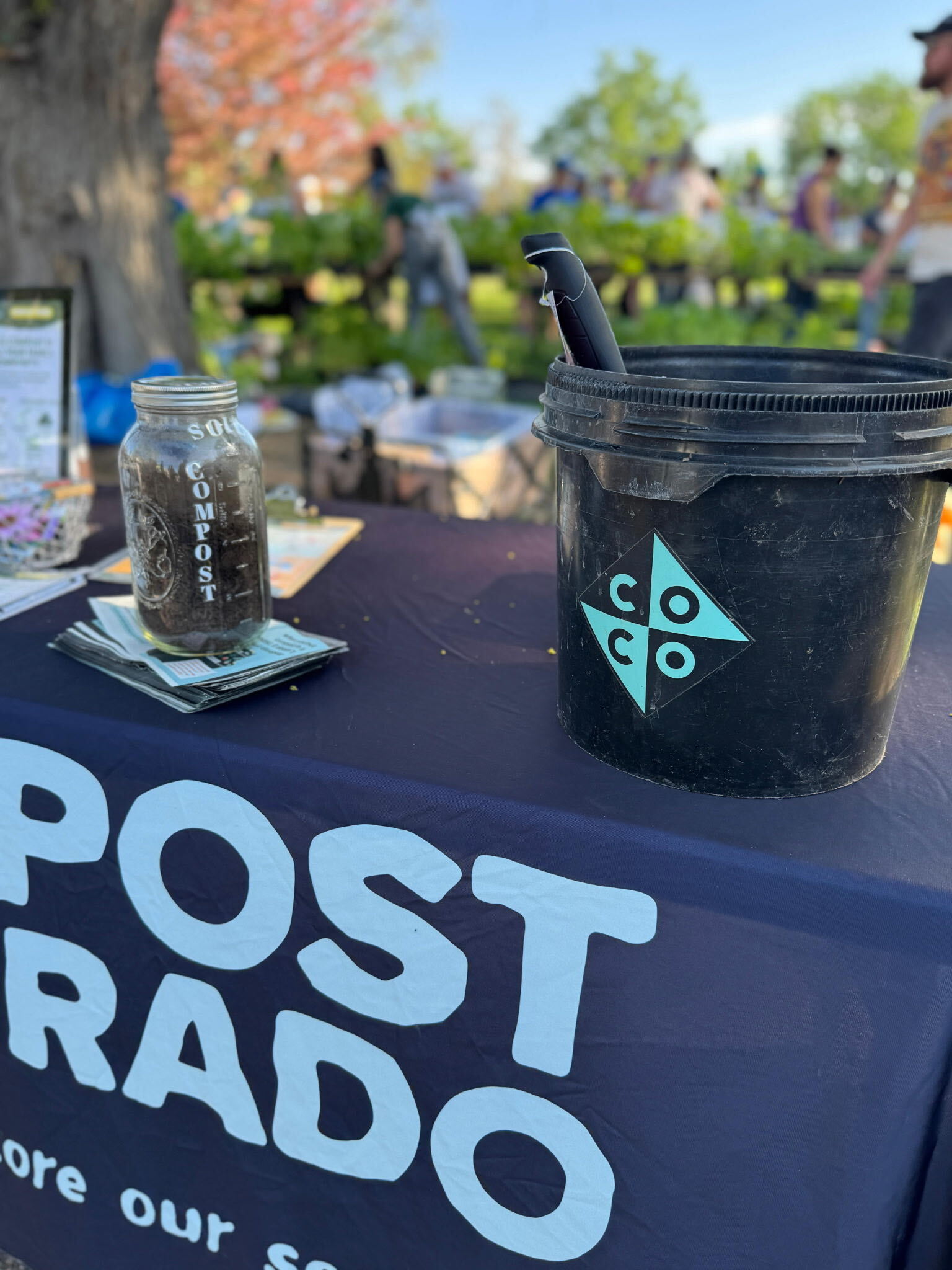
This year, Compost Colorado is the official compost collection service provider at all DUG signature events, helping us move closer to zero-waste gatherings.
That means when you attend a DUG event, your food scraps and single-use compostable packaging don’t disappear into a landfill; they’re collected, processed locally, and returned to the soil that feeds our gardens.
We’ve also been proud to collaborate on community-centered events that bring composting education into new spaces:
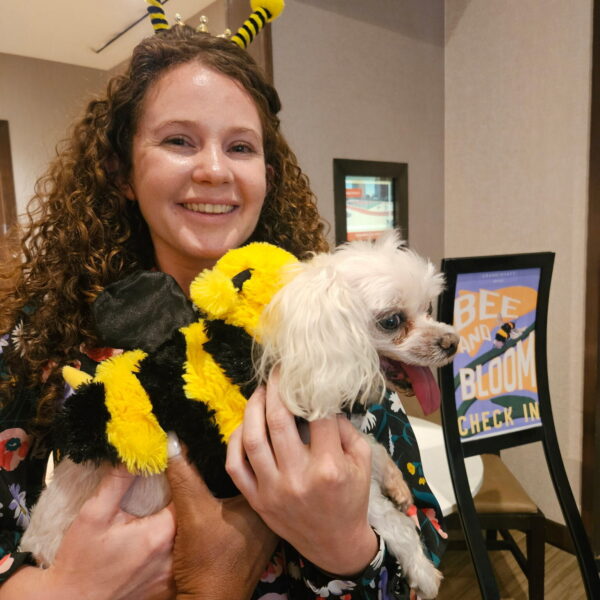
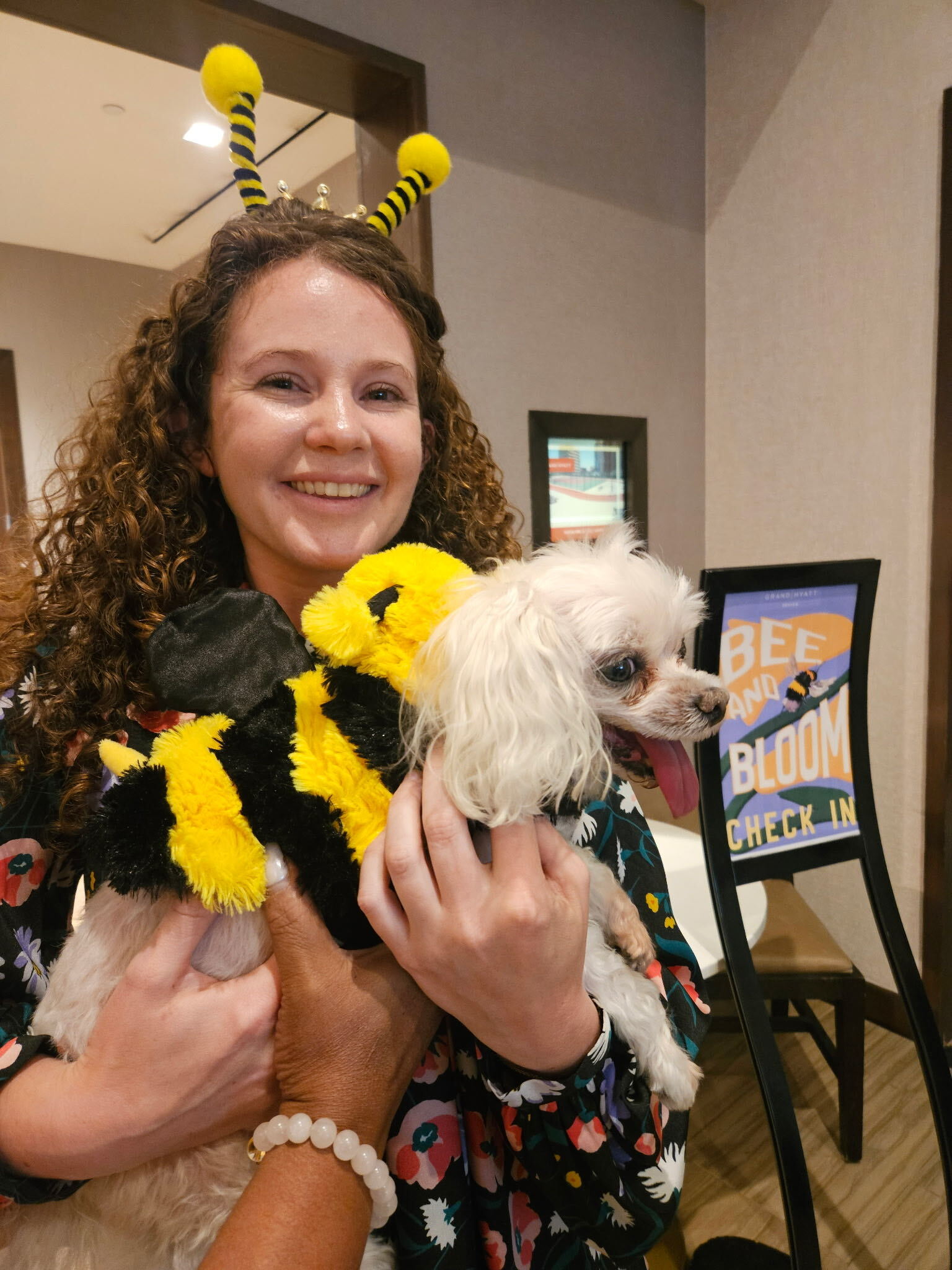
Bee & Bloom Market at the Grand Hyatt Denver: A celebration of pollinators, plants, and people, where composting helped close the loop on event waste while sparking conversations about soil health and biodiversity.
Healthy Soil Workshop at Breckenridge Brewery: Hosted alongside the release of a limited-edition Strawberry Basil Saison, this event brought together gardeners, beer lovers, and climate advocates to explore the connection between compost, soil biology, and the food (and flavors) we love.
These events reflect what we believe at DUG: learning happens everywhere, especially when it’s rooted in real experiences, good food, and shared curiosity.
Building a Culture of Composting
DUG has long supported composting through interactive workshops, community education, and our Community Composter Training Program, equipping neighbors across Denver with the knowledge to turn waste into a resource.
Partnering with Compost Colorado strengthens that work by expanding access to composting infrastructure beyond the backyard. Whether it’s curbside pickup, event collection, or community engagement, CoCo helps make composting a practice that is easy to adopt and sustain.
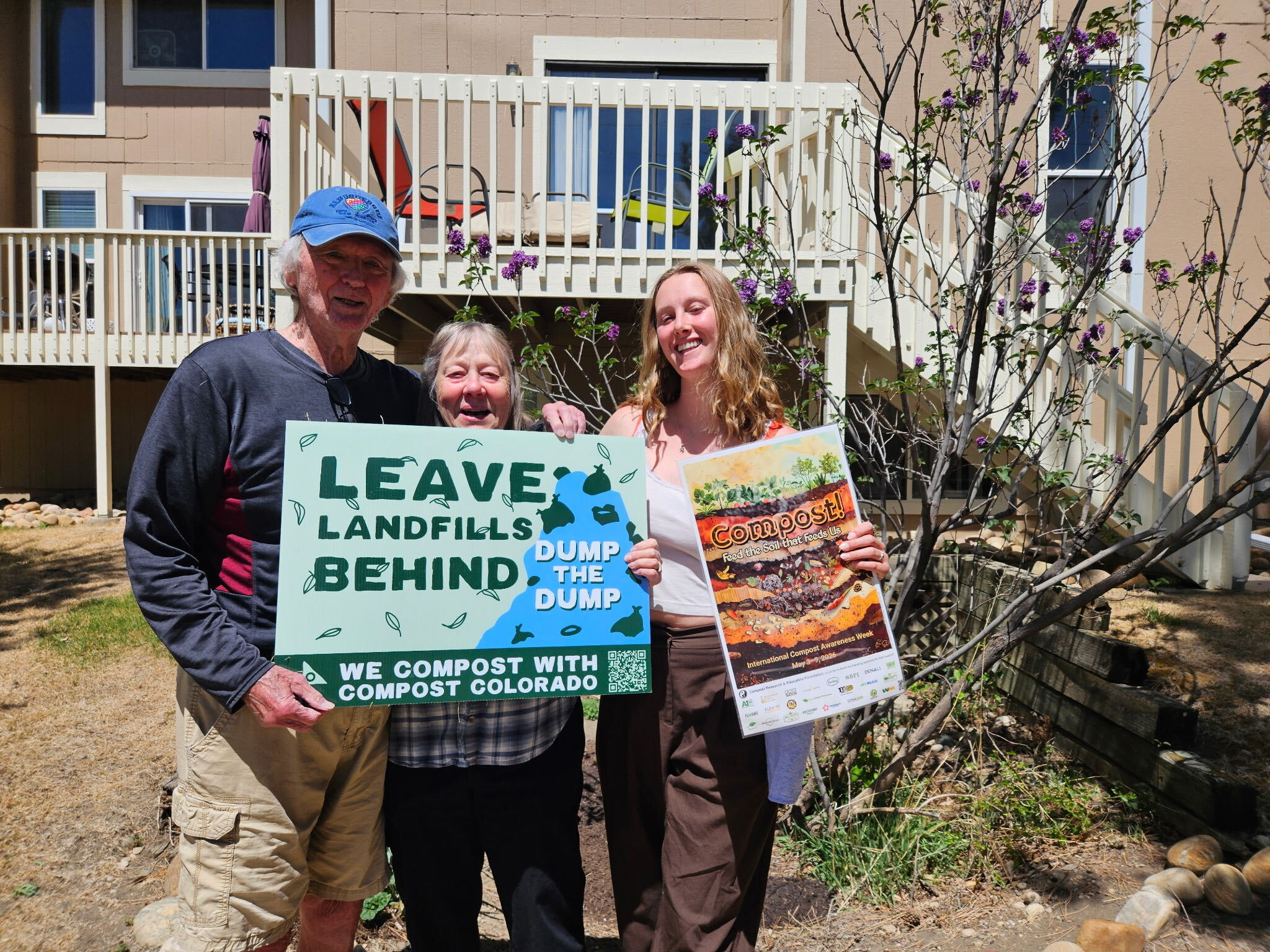
Together, we’re helping normalize composting as part of everyday life, not just something you do at home, but something you experience in community.
Why This Matters
When we compost, we’re doing more than reducing waste; we’re investing in the health of our soil, our food system, and our climate.
Healthy soils:
- Store carbon and reduce greenhouse gases
- Retain water, which is critical in Colorado’s dry climate
- Support stronger, more productive plants
And perhaps most importantly, composting invites us to rethink what we throw away and what we value.
What’s Next
You’ll continue to see Compost Colorado at DUG events throughout the season, helping us model what low-waste, community-centered gatherings can look like.
We invite you to:
- Look for compost stations at your next DUG event
- Ask questions and learn what can (and can’t) be composted
- Explore composting options in your own home or neighborhood
Because when we treat “waste” as a resource, we’re not just closing the loop. We’re growing a more resilient, circular economy together.