

At DUG, we believe gardens have the power to grow much more than food. They can be spaces for connection, learning, healing, and discovery.
Through DUG’s Therapeutic Gardens Training Program, community members are learning how to design and cultivate garden spaces that support physical, emotional, and mental well-being. Participants explore how gardens can become welcoming environments for people of all ages and abilities, including students, seniors, and individuals seeking opportunities for connection with nature.
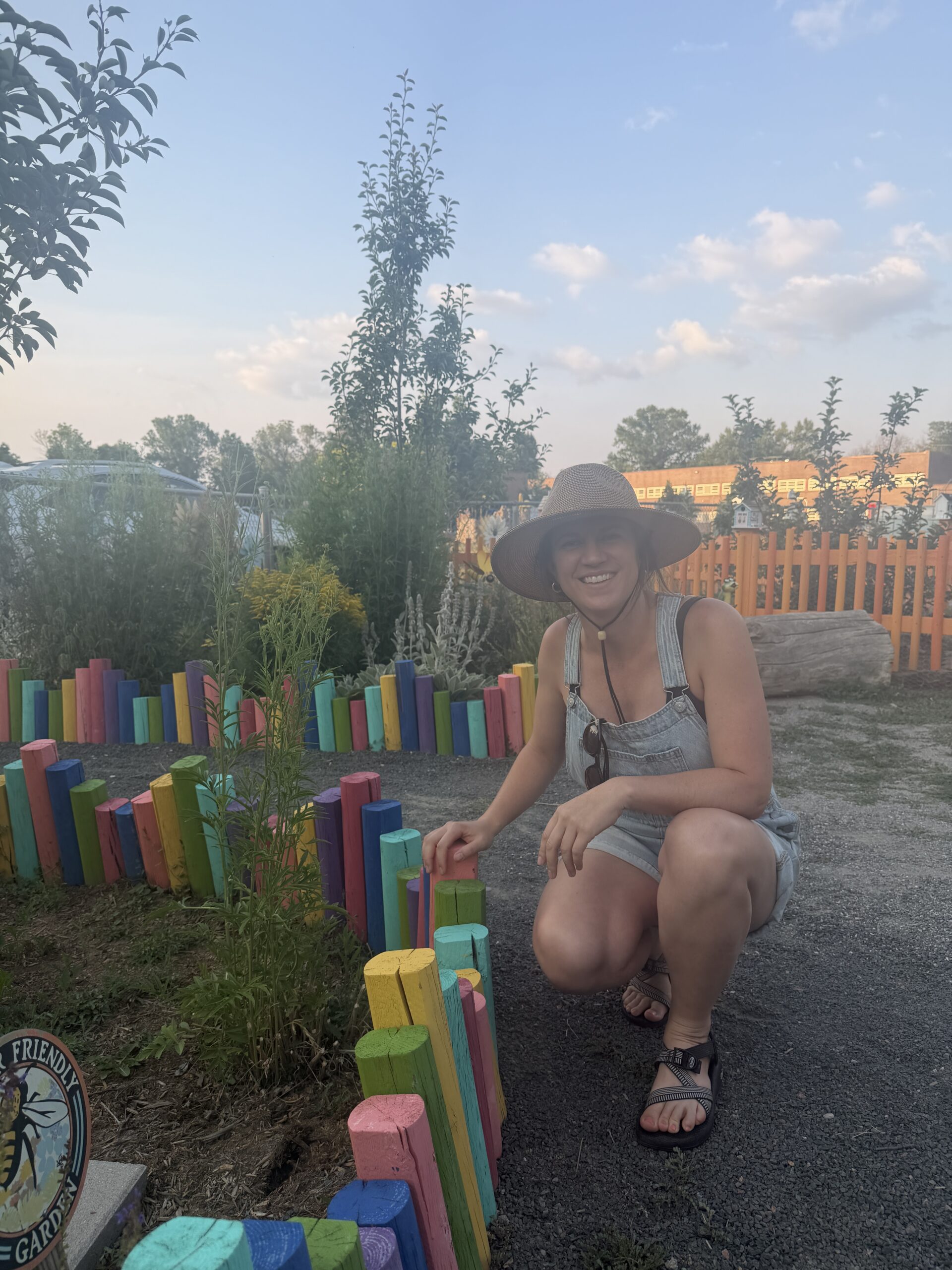
Meet Mo McCanna, a participant in DUG’s Therapeutic Gardens Training Program. Throughout the program, Mo has been inspired by the ways gardens are being used to create meaningful experiences for communities across Metro Denver.
Tell us a little about yourself and what inspired you to join DUG’s inaugural Therapeutic Gardens Training Program.
I moved to Denver 11 years ago and started engaging with DUG shortly after. I was excited to get to know Denver through its communities and to put some love into my yard, hoping to develop a fraction of the green thumb my mom has. Gardening quickly became a rewarding and empowering hobby, but also an activity where I noticed feeling grounded and fully present. Among other DUG programming and volunteering, I participated in the 2017 Community Composter cohort where I was inspired by the content, hands-on experiences and like-minded participants. When I heard about the TGTP launch, I was thrilled to build relationships with another amazing group of folks and combine my experience in teaching, gardening and community engagement to help others enjoy the benefits that nurturing plants has brought me. I also have a strong passion for accessibility and am going back to school for occupational therapy in the fall, so the timing and chance to dive deep into building welcoming spaces and facilitating holistic therapeutic activities in the garden felt very fortuitous.
What interested you most about the connection between gardening, nature, and well-being?
I feel the outdoors and gardening can be intimidating and/or inaccessible, yet they’re incredibly powerful tools to foster wellbeing. This can be through solitary, self-reflective practices or a sense of belonging in a community garden space. I love that DUG and this program are helping to provide children, immigrants, people with disabilities, older adults and all community members with these safe spaces for mindfulness and connection.
What has been the most meaningful or memorable part of the program so far?
A number of my give-back opportunities have been with children in after school or summer programming. It’s awesome to see these kids transform and their curiosity come alive when they are outside and introduced to a garden. They’re eager to share their plant and insect knowledge (an impressive amount!), they light up at the simplest pleasures like touching, smelling and admiring the plants in our sensory gardens and they even volunteer to weed, using extreme care in identifying what is to be pulled versus left alone and proudly showing off the length of a root they pulled or their growing pile of weeds.
Has there been a lesson, activity, or conversation that has especially resonated with you? Why?
Our presentations from leaders at Firefly Autism, Tennyson Center for Children and Ellis South community garden about their garden journeys really stuck with me. It was incredible to hear the amount of effort and intention that’s gone into building each of their gardens, the learning along the way and the impact that’s made it all worth it. The youth gardens have become a safe place for children to decompress, regulate and grow more open to eating fruits and veggies. Ellis South has helped immigrants feel welcome in a new county, heal from trauma and violence and stay connected to their culture and food through gardening and farming. I later had the chance to visit the gardens at Firefly Autism and Ellis South to contribute to their sensory grid and painted rock features. These gardens were as inviting, beautiful and calming as the presenters had described.
How has the program influenced the way you think about gardens, accessibility, or community spaces?
I’ve appreciated the theme throughout the program of how analogous a garden is to our human community in that we can help each other thrive through interdependence. We bring together and nurture a variety of plants to make a beautiful, healthy, biodiverse garden. Similarly, third spaces like a garden bring people together with different identities, strengths and needs. We can listen and observe to better understand each other and support connection and belonging.
What does it mean to you to be part of the first-ever cohort of this program?
It’s a special thing to be a part of the first cohort as Lara is eager for feedback and I look forward to seeing its evolution and ripple effects. I’m amazed by the experience, passion and insights of my fellow participants, including a hospital chaplain, oncology social worker, senior center coordinator, special education teachers and youth therapists, and I can’t wait to see how they take what they’ve learned to their communities. This program was established in response to the number of therapeutic gardening requests locally and I imagine it will only continue to grow and even serve as a model for organizations outside of Denver as more institutions (schools, healthcare, aging services) recognize the value of mindful connection with nature.
How do you hope to use what you’re learning in your work, volunteer efforts, or community?
The program has helped me appreciate the profound impact of simple exercises like breathing, mindfulness and self-reflection in outdoor spaces or tied to nature. We’ve also been introduced to ways of making gardening more inclusive and accessible from psychological safety approaches to gardening tools to the built environment. I’ve already enjoyed applying these learnings through my give-back and will continue to use them as I volunteer with DUG’s west side gardens and even as I pursue occupational therapy where gardening can be a powerful physical, cognitive and emotional therapy.
In one sentence, what would you tell someone considering applying for the program in the future?
TGTP will have an even greater impact on you and the community than you anticipate!
Can you share a moment from the program that has stayed with you?
As I watered a sensory pathway that our cohort had planted a week earlier at Barnum’s Crumley community garden, I was thrilled to see a family eating dinner on a bench. The garden leaders had told us they were looking for more neighbors to activate the garden and to see more positive uses of the space. The mother approached me (another “Mo”!) curious when people would be starting to plant in the beds, so I asked if she would be interested in one. Mo said she’d love to start a garden with her young daughter, so I introduced her to the garden leader to reserve a bed. This was a perfect example of how simply showing up in a DUG garden can foster community and I love that Mo’s family will feel even more ownership and connection as they continue to enjoy the garden.
Learn more about DUG’s Therapeutic Gardens Training Program and how gardens can support healing, learning, and connection.
