

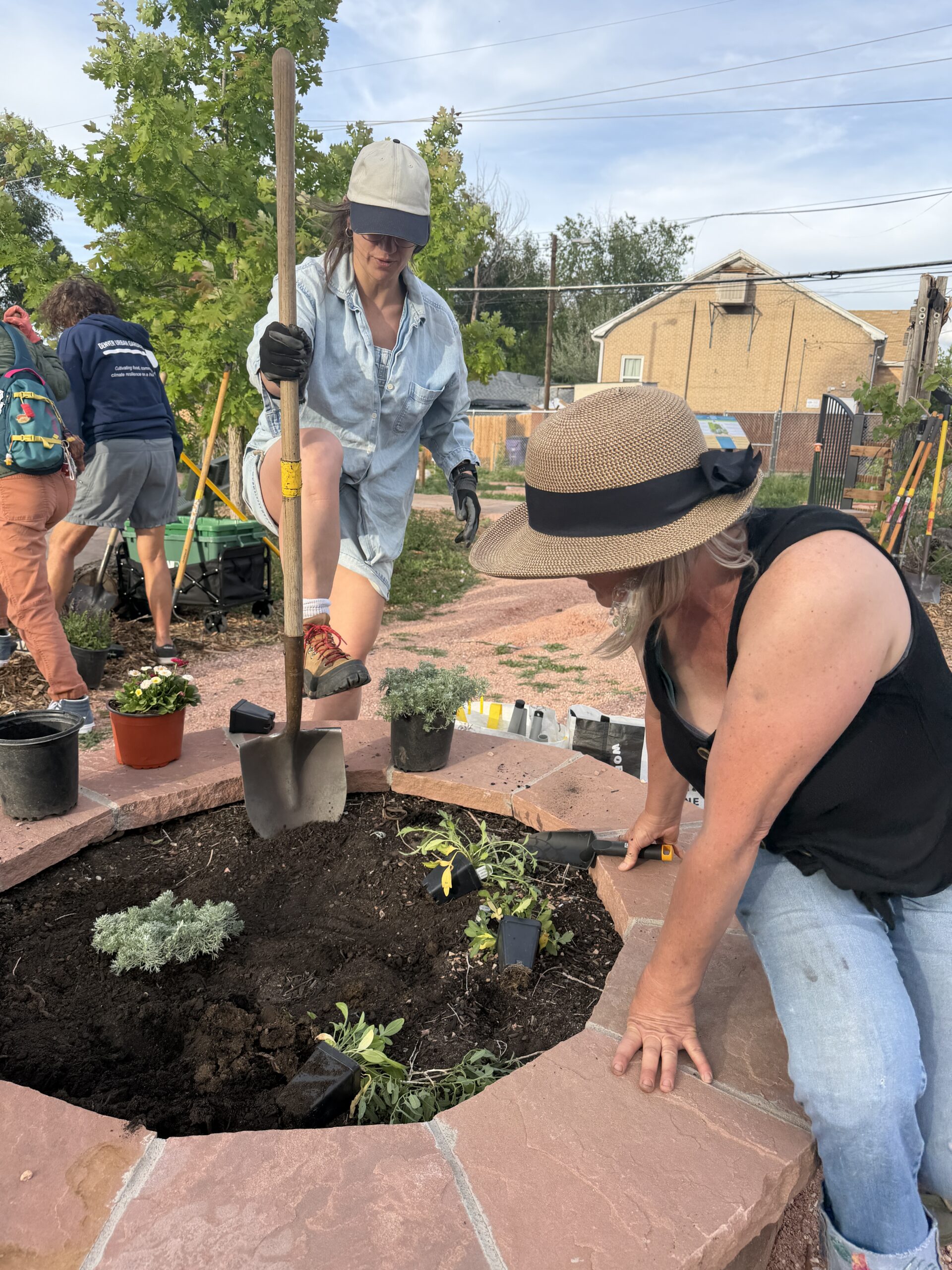
Every July, Disability Pride Month invites us to recognize the history, achievements, and experiences of the disability community. It’s also an opportunity to reflect on how we build communities where everyone can participate, contribute, and thrive.
At DUG, we believe gardens should be places of belonging. Whether someone gardens from a wheelchair, has sensory processing differences, lives with chronic illness, is neurodivergent, or simply experiences the world differently, everyone deserves the opportunity to connect with nature, grow food, and experience the healing power of gardening.
Creating accessible gardens isn’t about checking a box; it’s about designing spaces where more people can cultivate joy, confidence, community, and well-being.
Gardening Benefits Everyone
Research continues to show that spending time in nature supports both physical and mental health. Gardening can reduce stress, encourage movement, improve mood, strengthen social connections, and foster a sense of purpose. But those benefits shouldn’t be limited by physical or cognitive barriers.
That’s why DUG has expanded our work beyond growing food to growing spaces intentionally designed for healing, reflection, and inclusion.
Our Therapeutic Gardens bring together sensory plants, accessible pathways, shaded seating, self-guided activities, and flexible gathering spaces that welcome people of all ages and abilities. Developed alongside schools, community organizations, and wellness partners, these gardens create opportunities for people to experience nature in ways that meet their individual needs.
You can also read:
Accessibility Looks Different for Everyone
An accessible garden isn’t one specific design. It’s a collection of thoughtful choices that allow more people to comfortably participate.
Some accessibility features include:
- Wide, stable pathways for mobility devices
- Raised garden beds that reduce bending and reaching
- Places to sit, rest, and gather
- Shade structures for people sensitive to heat
- Clear signage with multiple languages and visual supports
- Sensory-rich plants that engage smell, touch, sound, and sight
- Flexible gardening tools and workspaces
Many of these features benefit everyone, not just people with disabilities. Parents with strollers, older adults, young children, and first-time gardeners all appreciate gardens that are easier to navigate and more comfortable to enjoy.
Accessibility often makes gardens more welcoming for the entire community.
Sensory Gardens Create Meaningful Connections
For many people, the garden is experienced through much more than what they see.
The fragrance of lavender.
The texture of lamb’s ear.
The sound of grasses moving in the wind.
The taste of fresh herbs.
The colors of blooming flowers.
Sensory gardens encourage visitors to slow down and engage with nature using all five senses. These experiences can support emotional regulation, mindfulness, communication, and curiosity while making gardens enjoyable for people with a wide variety of abilities.
Interested in creating your own sensory space? DUG has several resources to help you get started:
- Sensory Plants for Your Garden
- Grow With Purpose: Designing a Tea Garden
- Grow With Purpose: Designing a Pollinator Garden
Learning From Our Community Partners
One of the greatest lessons we’ve learned is that inclusive gardens are best created alongside the communities they serve.
Through partnerships with organizations like Firefly Autism, the Tennyson Center for Children, Denver Public Schools, and community organizations serving refugee families, DUG has designed therapeutic spaces that reflect each community’s unique goals.
Some gardens focus on emotional regulation and sensory exploration. Others support outdoor classrooms, job skill development, nature play, or restorative gathering spaces.
There is no one-size-fits-all approach, and that’s exactly the point. Listening first allows gardens to become places where people feel seen, supported, and empowered.
Accessibility Is Part of Garden Equity
Building accessible gardens is one piece of DUG’s broader commitment to garden equity.
Across our network, we continue working to reduce barriers by improving ADA accessibility, expanding multilingual resources, creating welcoming infrastructure, supporting community leadership, and ensuring more people can participate in gardening regardless of ability, language, or financial circumstances.
Inclusion isn’t a single project; it’s an ongoing practice.
Keep Growing Together
Disability Pride Month reminds us that diversity makes our communities stronger. Gardens flourish because many different plants grow together, each contributing something unique. Communities work the same way.
As we continue expanding therapeutic gardens, educational programming, and accessible community spaces, we’re committed to ensuring everyone has the opportunity to experience the connection, nourishment, and belonging that gardens provide.
Whether you’re designing a new community garden, tending a backyard bed, or simply planting a container on your porch, consider one question:
Who else could enjoy this space if I made it just a little more welcoming?
Small changes can open the garden gate for someone new, and that benefits us all.
