
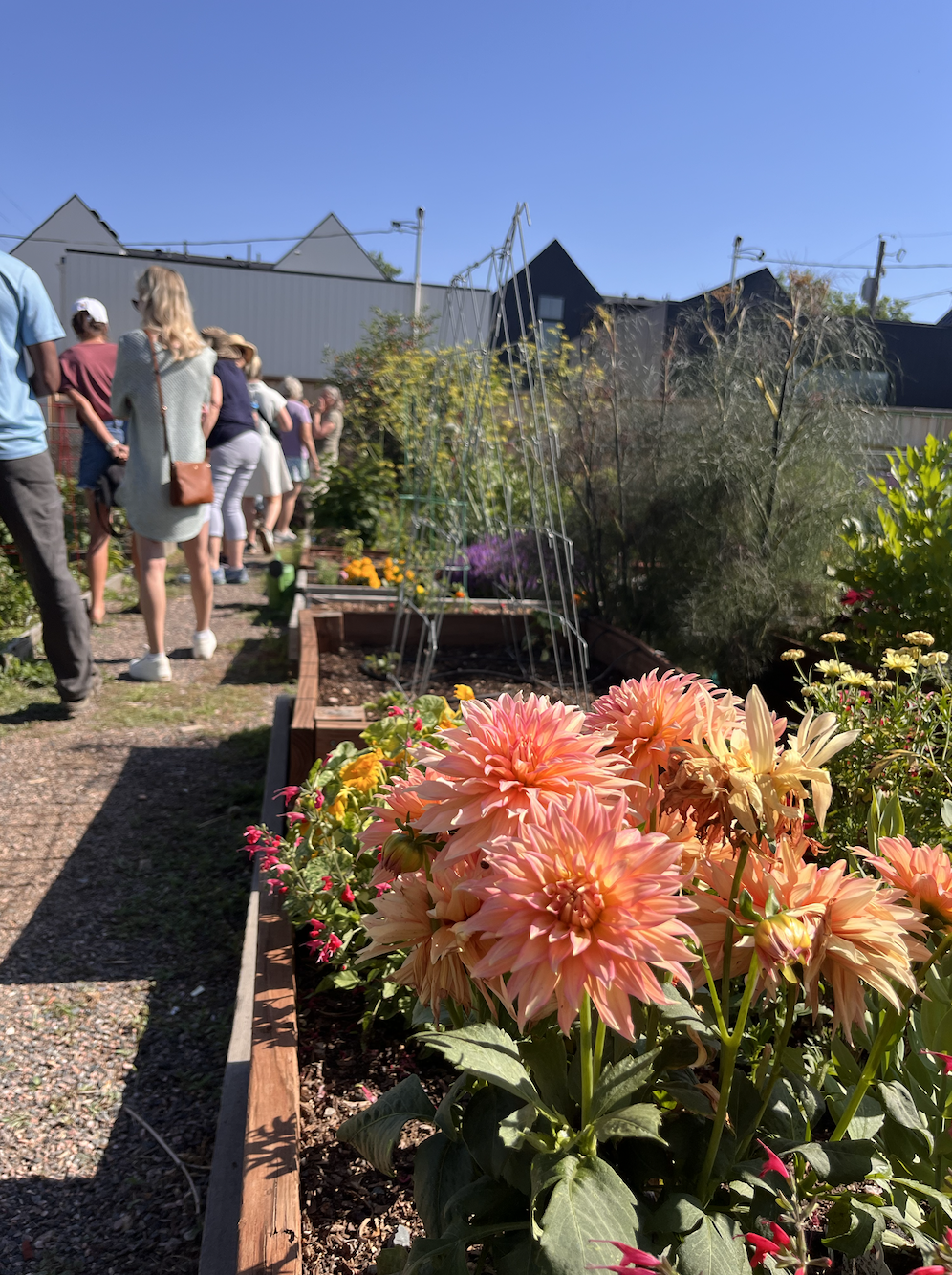
If you’re searching for ways to bring nature-based healing, therapeutic gardening, and outdoor wellness practices into your work or community, the Therapeutic Gardens Training Program from Denver Urban Gardens (DUG) is one of the most comprehensive programs available. This nine-month, evidence-based training equips educators, wellness practitioners, and community leaders to create healing garden spaces that support mental health, emotional resilience, and social connection.
Whether you’re interested in healing gardens, therapeutic horticulture, or trauma-informed outdoor education, this guide breaks down everything you need to know about the program — including who it’s for, what you’ll learn, and how to apply.
Who Should Join the Therapeutic Gardens Training Program?
This training is ideal for anyone invested in wellness, education, youth development, or community engagement, especially if you want to integrate nature-based practices into your work.
Best-fit participants include:
-
Educators & School Staff
Perfect for teachers, counselors, SEL coordinators, and administrators looking to incorporate outdoor learning and social-emotional programming into classrooms or school gardens. -
Mental Health & Wellness Professionals
Therapists, counselors, social workers, and youth service providers can learn how to use garden-based activities as tools for emotional regulation, trauma-informed healing, and sensory support. -
Community Organizations & Leaders
Nonprofits, community advocates, and urban gardeners can develop the skills needed to build accessible, inclusive, and healing outdoor spaces for neighborhoods and community groups.
If your work involves well-being, education, youth empowerment, or community health, this program can dramatically expand your impact.
What You Will Learn: Key Skills & Therapeutic Gardening Techniques
DUG’s Therapeutic Gardens Training Program blends evidence-based theory, hands-on gardening practice, and trauma-informed facilitation skills. By the end, participants gain the ability to design and lead healing garden programs.
Core learning outcomes include:
-
Understanding the science behind nature-based wellness and its impact on emotional and physical health
-
Designing safe, inclusive, sensory-rich garden environments
-
Facilitating mindfulness, movement, sensory exploration, and grounding practices outdoors
-
Adapting garden experiences for diverse ages, abilities, and needs
-
Integrating therapeutic gardening into schools, after-school programs, therapy sessions, or community health initiatives
-
Collecting stories, observations, and data to demonstrate program impact
-
Building community around healing garden spaces
These skills make graduates uniquely equipped to lead therapeutic horticulture programs, SEL garden activities, outdoor mindfulness sessions, and more.
Why the Therapeutic Gardens Training Program Stands Out
This program is unique because it integrates:
-
Evidence-based nature care practices
-
Hands-on therapeutic horticulture training
-
Trauma-informed educational strategies
-
Community-centered program design
-
SEL-focused outdoor learning techniques
Participants leave with the confidence to design and lead garden spaces that nourish mental health, emotional resilience, community connection, and overall well-being.
How to Apply for the Next Cohort
Applications for the 2026 cohort open December 1, 2025 and close January 9, 2026. Because spaces are limited and demand is high, early application is recommended.
If you’re ready to grow your skills in therapeutic gardening, nature-based wellness, outdoor education, and healing community spaces, this program is a powerful next step.
Final Thoughts
As interest in nature-based healing continues to grow, programs like DUG’s Therapeutic Gardens Training are becoming essential tools for schools, mental health providers, and community organizations.
If you want to bring the benefits of healing gardens, therapeutic horticulture, and nature-connected wellness practices into your work, this program offers everything you need to get started — and to create lasting, meaningful change in your community.
