
Every spring, gardeners across Denver plant with hope, and sometimes, Colorado’s unpredictable weather has other plans. A late frost wipes out a row of tomato seedlings. A hailstorm flattens newly transplanted herbs. For beginner gardeners in particular, these losses can be discouraging enough to give up entirely.
That’s exactly where Denver Urban Gardens (DUG) steps in.
What Is the Second Chances Program?
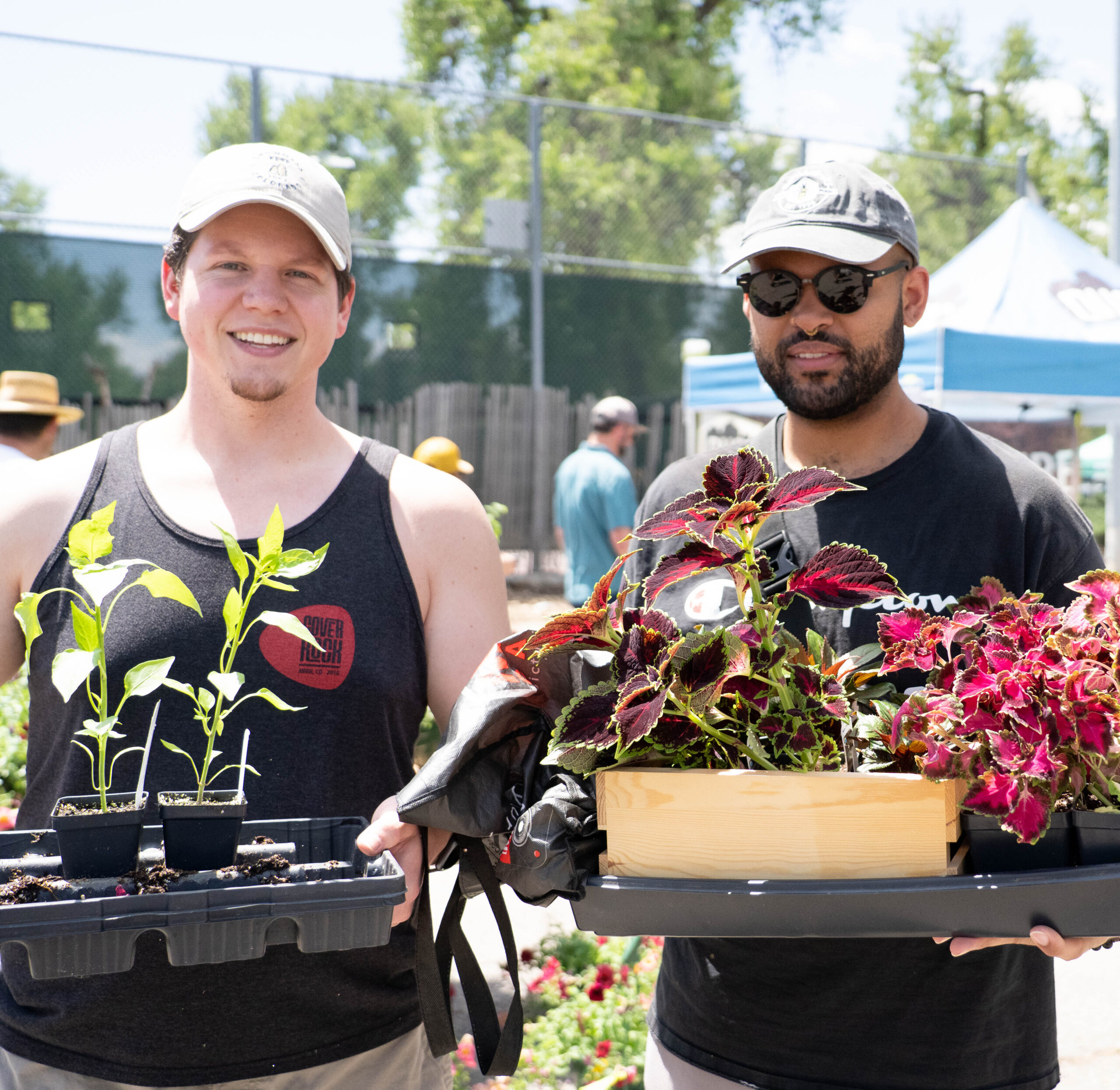
DUG’s Second Chances program is a resource recovery initiative designed to do two things at once: rescue surplus food-producing plants that would otherwise end up in Denver’s landfill, and get those plants into the hands of community members who need them most, at no cost.
The program runs each mid-to-late summer and is organized intentionally as a follow-up to DUG’s Grow a Garden and Garden Equity programs. Its priorities are clear: growers who lost plants to weather events or hard frosts come first, followed by beginner gardeners who are still finding their footing. Qualifying community gardens and food forests are contacted directly to participate.
The motto says it all: Turning Surplus into Sustainability.
The Numbers Speak for Themselves
The 2026 program delivered results that are hard to ignore:
5,824 plants were rescued and redistributed to growers across the city. 83 gardens and food forests were supported across Denver. 160 hours volunteered by DUG staff and community members. And perhaps most striking — 116,480 lbs of potential waste diverted from Denver’s landfills.
That’s not just food growing in garden beds. That’s a meaningful dent in urban waste, a meaningful boost to food access, and a meaningful vote of confidence for gardeners who needed a fresh start.
More Than Plants
In 2026, the Second Chances team didn’t just show up; they showed up better. Distribution logistics were streamlined, volunteer support was expanded, signage and crowd flow were improved, and the collaboration between growers, DUG staff, and community partners was deepened. The result was a smoother, more equitable experience for everyone involved.
That kind of continuous improvement reflects something core to DUG’s mission: community gardening isn’t a transaction, it’s a relationship. And Second Chances is one of the most tangible expressions of that.
Why It Matters
Denver faces real food access challenges, and community gardens are among the most grassroots and effective tools for addressing them. But a garden plot doesn’t do much good if the plants in it don’t survive, or if they never get planted at all because a grower couldn’t afford to replace what the weather took.
Second Chances closes that gap. It turns what would have been landfill waste into living, growing food. It removes the financial barrier to getting back in the garden after a setback. And it sends a message to every beginner gardener who’s ever felt defeated by Colorado’s capricious climate: you get another shot.
Special Thanks
The Second Chances program wouldn’t be possible without the support of key partners, including Denver Parks and Recreation’s Horticulture division. Their collaboration helps DUG stretch every rescued seedling as far as it can go.
Get Involved
Want to support the work? DUG accepts donations year-round to fund programs like Second Chances. You can also volunteer, join a community garden, or simply spread the word to a gardener in your life who could use a second chance of their own.
Learn more at dug.org/food-access-programs/second-chances.
