

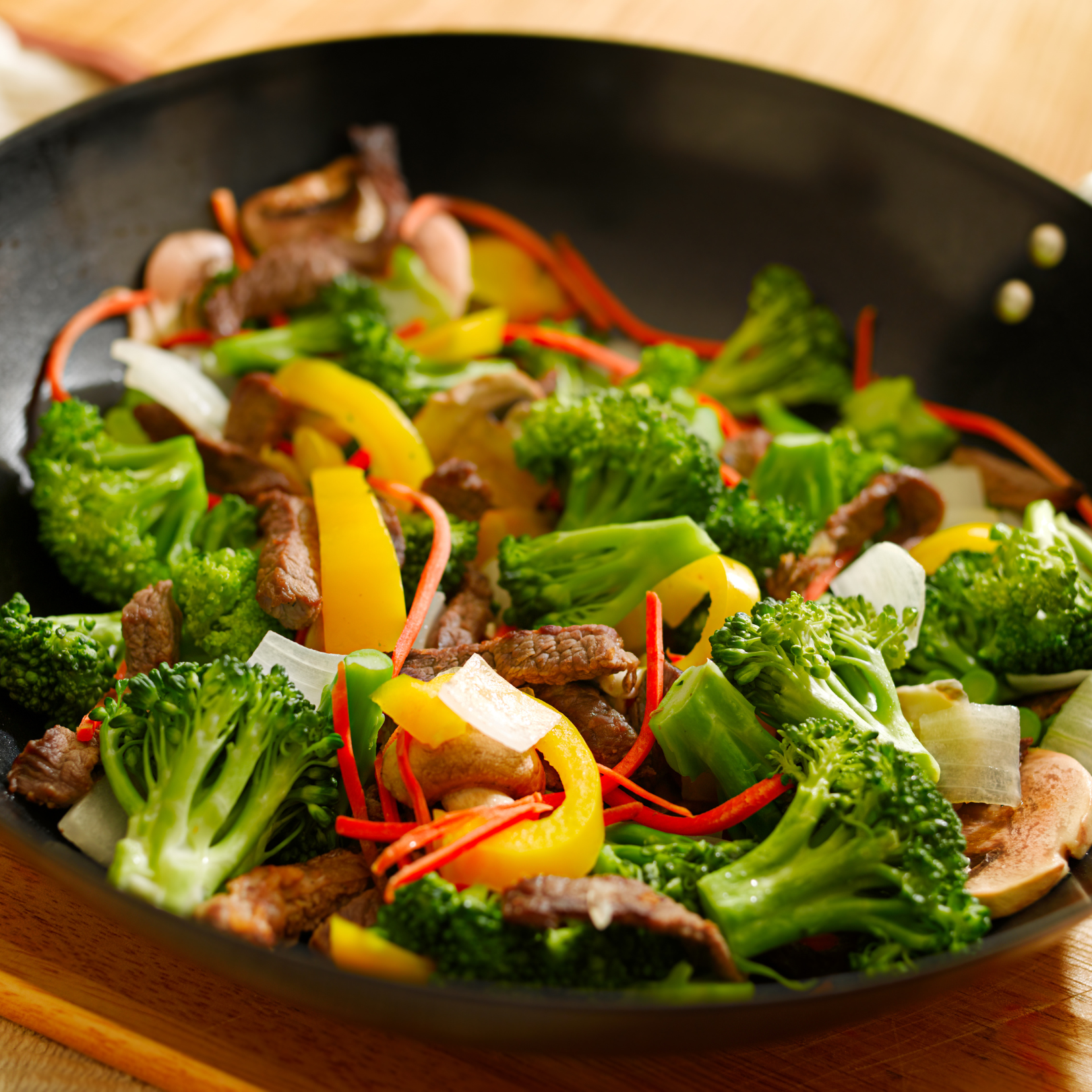
What are Culinary Gardens
A culinary garden is planned around what you actually cook.
Instead of growing vegetables simply because they are popular or productive, culinary gardens begin with flavor, tradition, and daily life. Either way, the connection between what you grow and what ends up on your table becomes direct, tangible, and deeply satisfying.
At DUG, we’ve been promoting culinary gardens for years through our Grow a Garden kits. Each kit is thoughtfully curated with vegetables, herbs, flowers, and companion plants that grow well together while supporting pollinators, biodiversity, and seasonal cooking.
And in Colorado’s semi-arid climate, growing with intention matters.
When gardeners grow foods they genuinely use, gardens become:
- More productive
- Less wasteful
- Easier to maintain
- More culturally meaningful
- More financially supportive for households
- More connected to seasonal eating
Whether you’re growing on a balcony, in a community garden plot, or in raised beds at home, culinary gardening helps transform gardening from a hobby into part of everyday life.
Missed out this year? Mark your calendar for February 1, 2027, when next season launches!
Why Culinary Gardens Work in Colorado
Colorado gardeners face unique conditions:
- Intense sun
- Dry air
- Large temperature swings
- Clay-heavy soils
- Sudden hailstorms
- Shorter growing seasons compared to many parts of the country
But culinary gardens actually thrive under many of these conditions because:
- Herbs love Colorado sun
- Peppers and tomatoes appreciate heat
- Raised beds warm quickly
- Water-wise gardening can still produce high yields
- Companion planting improves resilience
The key is planting intentionally and choosing crops that support one another. DUG’s Grow a Garden kits are designed specifically with these realities in mind.
Culinary Gardens to Grow
Salsa Garden Kit
Heat, sweetness, and freshness in one growing space. The Salsa Garden Kit is built for summer gatherings, backyard dinners, taco nights, grain bowls, sauces, and preserving late-season abundance. It’s one of the most community-centered garden styles because so many of its ingredients are meant to be shared.
What to grow:
- Tomatoes: Plant inside cages to support foliage and improve airflow, helping prevent rot, disease, and insect damage.
- Habanero Peppers: Extremely productive in Colorado heat. These may benefit from small support cages as fruit develops.
- Jalapeño Peppers: Reliable producers that thrive in warm summer conditions.
- Cilantro: Wait until fall to plant cilantro for best results, as Colorado summer heat can cause it to bolt quickly.
- Onions: Excellent companions for peppers and tomatoes while maximizing garden space.
- Summer Squash: Plant two seeds, then thin to the strongest seedling. Succession sowing through mid-June extends harvests.
- Marigolds: Beautiful pollinator plants that may help deter pests while brightening garden edges.

Recipe: Fresh Garden Salsa
A rich, long-keeping salsa made from the peak of your summer harvest. This recipe has been adjusted for Colorado’s altitude, up to 6,000 ft.
Makes approximately 7–8 pint jars.
Ingredients:
- 3 quarts tomatoes, skinned, cored, and chopped
- 2 quarts chili peppers (jalapeño, habanero, or a mix), chopped
- 2½ cups onions, chopped
- 1 cup (5%) white vinegar
- 3 tsp salt
- ½ tsp black pepper
- Fresh cilantro to taste (add after cooking)
Directions:
- Once the ingredients are prepped, simply mix them together and stir until well-coated. Serve fresh!
Recipe: Sopa de Fideo
A comforting, pantry-friendly noodle soup made with toasted noodles, blended tomatoes, garlic, and broth. Warm, simple, and deeply satisfying, this classic dish is perfect for using fresh garden tomatoes and enjoying on cooler evenings.
Makes approximately 4 bowls.
Ingredients:
- 2 tomatoes, seeded
- ¼ onion
- 1 garlic clove
- 8 cups broth, any works
- 8oz noodles, like vermicelli or angel hair
- 3 tbsp vegetable oil
- Oregano, cumin, and salt to taste
Directions:
- Make a puree with the tomatoes, onion, and garlic. Set aside.
- Preheat the vegetable oil on medium heat and coat the noodles, cooking until just starting to brown.
- Stir in the puree and add the broth.
- Bring to a boil, and simmer for 10 minutes.
- Remove from heat, add spices, and allow to cool before enjoying!
Pizza Garden Kit
This Mediterranean-inspired kit includes herbs and vegetables ideal for roasting, grilling, and sharing. The Pizza Garden Kit shines in late summer when tomatoes and basil peak together. It’s one of the easiest ways to experience the flavor difference between store-bought produce and freshly harvested ingredients.
What to grow:
- Tomatoes: Plant in sturdy cages to improve airflow and support heavy fruit production.
- Basil: One of the best tomato companion plants and a pollinator favorite once flowering begins.
- Bell Peppers: Sweet peppers thrive in Colorado’s sunny growing conditions.
- Eggplant: Loves heat and benefits from consistent watering during fruit production.
- Arugula: Plant in late summer for cooler-weather harvests and less bitterness.
- Summer Squash: Can also pair beautifully with Three Sisters-inspired (i.e., corn and beans) plantings.

Recipe: Basil Pesto Pasta
This garden-fresh pesto pasta celebrates the flavors of late summer with fragrant basil, juicy tomatoes, and roasted vegetables straight from the garden. Inspired by Mediterranean cooking, this flexible recipe is perfect for showcasing the difference fresh-picked ingredients make.
Makes approximately 4-6 servings.
Ingredients:
For the pesto
- 2 packed cups fresh Basil
- 1 handful Arugula (optional for a peppery kick)
- 2 garlic cloves
- ⅓ cup nuts or seeds (pine nuts, walnuts, sunflower seeds, or pumpkin seeds)
- ½ cup olive oil
- ½ cup parmesan or nutritional yeast
- Juice of ½ lemon
- Salt + black pepper to taste
For the pasta
- 1 lb pasta (fusilli, penne, or spaghetti work well)
- 1–2 cups cherry or chopped Tomato
- 1 medium Summer Squash, sliced
- 1 Bell Pepper, chopped
- 1 small Eggplant, cubed
- Olive oil
- Salt, pepper, chili flakes
- Optional garnish: extra basil, arugula, parmesan, toasted corn, or cooked beans
Directions:
- Toss chopped eggplant, summer squash, bell pepper, and tomatoes with olive oil, salt, and pepper. Roast at 425°F for 25–30 minutes until tender.
- Blend basil, arugula, garlic, nuts or seeds, parmesan, lemon juice, and olive oil until smooth.
- Boil pasta until al dente. Reserve a little pasta water before draining.
- Toss pasta with pesto and a splash of pasta water. Fold in roasted vegetables and top with extra basil, parmesan, or toasted corn and beans if desired.
Recipe: Garden Black Bean & Corn Salad
This colorful summer salad highlights the fresh flavors of the garden with sweet tomatoes, basil, peppers, and seasonal vegetables tossed with black beans and corn. Inspired by late-summer harvests and Three Sisters-style pairings, it’s a bright, protein-packed dish perfect for potlucks, grilling nights, or easy lunches.
Makes approximately 4-6 servings.
Ingredients:
- 1 can black beans, rinsed and drained
- 1½ cups corn (fresh, grilled, or frozen)
- 1–2 tomatoes, chopped
- 1 bell pepper, diced
- 1 small summer squash, diced or shaved thin
- Handful of basil, chopped
- Handful of arugula (optional)
- ¼ red onion, diced
- Olive oil
- Juice of 1 lime
- Salt, pepper, chili flakes
Directions:
- Chop tomatoes, peppers, squash, basil, and onion.
- Mix black beans, corn, and vegetables in a large bowl.
- Toss with olive oil, lime juice, salt, pepper, and chili flakes.
- Enjoy chilled or at room temperature. Top with extra basil or grilled vegetables if desired
Epic Salad Garden Kit
Designed for early and continuous harvesting, the Epic Salad Garden Kit creates a garden that keeps producing week after week. Instead of one large harvest, this kit encourages “cut-and-come-again” growing, where leafy greens, herbs, roots, and fruiting crops can be harvested gradually throughout the season.
Because many salad crops mature quickly, this kit also helps new gardeners build confidence fast.
What to grow:
- Buttercrunch Lettuce: Tender, sweet lettuce perfect for repeated harvesting. Heat-sensitive during peak summer, so partial afternoon shade can help extend production.
- Violas: Edible flowers that brighten salads, desserts, drinks, and garnish plates while supporting pollinators.
- Vates Kale: One of the hardiest greens for Colorado gardens. Sweetens after cooler weather and can often survive light frosts.
- Slice More Cucumbers: High-yield cucumbers ideal for fresh eating, quick pickles, and summer salads.
- Sweet 100 Tomatoes: Exceptionally productive cherry tomatoes that thrive in Colorado sun.
- Bunching Onions: Easy to harvest continuously throughout the season.
- Spinach: Best planted in cooler temperatures for spring and fall harvests.
- Beets: Both roots and greens are edible, making them one of the most versatile garden crops.
- Carrots: Grow especially sweet in cooler fall conditions.

Recipe: Garden Harvest Salad
This vibrant garden salad celebrates continuous harvest gardening with crisp lettuce, sweet tomatoes, cucumbers, kale, roots, and edible flowers. Designed for mixing and matching what’s ready in the garden, it’s a fresh way to enjoy the flavor and beauty of homegrown produce all season long.
Makes approximately 4-6 servings.
Ingredients:
- 1 head Buttercrunch Lettuce, chopped
- 1 cup Vates Kale, chopped
- 1 cup Sweet 100 Tomatoes
- 1 Slice More Cucumbers, sliced
- 2–3 Carrot, shredded
- 1 small roasted or shredded Beet
- 2 Bunching Onion stalks, sliced
- Handful of Viola flowers
- Olive oil + lemon juice or favorite vinaigrette
- Salt + pepper
Directions:
- Wash and prep all vegetables.
- Toss greens, tomatoes, cucumber, carrots, beets, and onions in a large bowl.
- Drizzle with dressing and season to taste.
- Top with violas before serving.
Recipe: Green Goddess Smoothie
This refreshing green smoothie is an easy way to use continuous garden harvests like spinach, kale, cucumber, and herbs. Light, creamy, and packed with nutrients, it’s perfect for warm summer mornings or post-garden snacks.
Makes approximately 2 servings.
Ingredients:
- 1 cup Spinach
- 1 cup Vates Kale
- ½ Slice More Cucumbers
- 1 frozen banana
- 1 cup pineapple or mango
- Juice of ½ lemon or lime
- 1 cup water, coconut water, or milk of choice
- Ice as desired
Directions:
- Add all ingredients to a blender.
- Blend until smooth and creamy.
- Serve immediately.
Fry & Ferment Garden Kit
The Fry & Ferment Garden Kit is built around preservation, comfort cooking, and seasonal abundance. It focuses on crops that store well, pickle beautifully, and support meals long after the growing season ends.
This kit is especially valuable in Colorado because many of these crops thrive during the cooler shoulder seasons and can help extend food access into fall and winter.
What to grow:
- Dahlias: While not edible, dahlias support pollinators and bring vibrant color into productive garden spaces.
- Collard Greens: Extremely hardy greens that tolerate both heat and cool weather while producing continuously.
- Walla Walla Onions: Known for their sweetness and versatility in roasting, sautéing, and fermenting.
- Golden Acre Cabbage: A compact cabbage ideal for sauerkraut, slaws, stir fries, and soups.
- Brandywine Tomato: A beloved heirloom tomato with rich flavor perfect for roasting and sauces.
- Dill: Essential for pickling and beneficial for pollinator activity.
- Delicata Squash: A winter squash with edible skin and excellent storage qualities.
- Beans: Fast-growing and highly productive throughout summer.
- Carrots: Excellent for roasting, soups, and fermentation.
- Beets: Roots store beautifully while greens provide additional harvests.

Recipe: Small-Batch Garden Sauerkraut
A simple, beginner-friendly fermentation recipe that transforms fresh garden cabbage into tangy, probiotic-rich sauerkraut. Great for sandwiches, grain bowls, roasted vegetables, and hearty fall meals.
Makes approximately 1 quart, or 4 cups.
Ingredients:
- Cabbage (of any kind)
- About 2 tsp of salt per pound of shredded cabbage
- Spices about 1 tsp per pound
- Glass jars – preferably wide-mouth
- Time and patience!
Directions:
- Wash the cabbage and peel off the outer leaves.
- Save one leaf to use as a topper.
- Shred the cabbage.
- Toss the salt with the cabbage and let it stand for 10 minutes.
- Massage the cabbage crushing it with your fingers to release liquid.
- Pack the soft cabbage into the jar and make sure to cover it with the liquid.
- Leave to ferment at room temperature for 5-7 days (depending on temperature, fermentation happens quicker with the summer heat).
- Release the gasses a few times a day by gently unscrewing the lid.
- Refrigerate once the kraut is sour enough to your taste.
Recipe: Vinegar Pickled Beets
Bright, tangy, and lightly sweet, these quick-pickled beets are an easy way to preserve your harvest while adding bold flavor to salads, grain bowls, sandwiches, and charcuterie boards.
Makes approximately 2 pint jars, or 4 cups.
Ingredients:
- 6 medium beets (about 2lbs) cooked, peeled and sliced
- 1 small red onion, sliced
- 1 cup white wine vinegar + 1 cup water
- ½ cup sugar
- 1 ½ tsp salt + any spices you’d like (ex. black peppercorns, fennel seeds, etc)
Directions:
- Place the cooked beet slices and onions in a pint jar.
- Bring the other ingredients to a quick boil in a non-aluminum pot and pour them into the jar.
- Close the lid and allow it to cool at room temperature.
- Refrigerate for up to three months.
Stir Fry Garden Kit
Fast-growing, high-yield vegetables for weeknight sautés, noodle dishes, and quick snacks. This garden is ideal for gardeners who cook frequently and want versatile ingredients that can move quickly from garden to stovetop.
What to grow:
- Broccoli: Benefits from cooler shoulder seasons and consistent moisture.
- Peppers: Space peppers and eggplants about 18 inches apart for airflow and productivity.
- Tatsoi: A fast-growing Asian green that thrives in cooler late-summer and fall temperatures.
- Snow Peas: Plant with trellising support and pair with tatsoi for shared shading benefits.
- Carrots: Late July sowing creates sweet fall harvests.
- Basil: Adds freshness and aromatic depth to stir-fries and noodle dishes.

Recipe: Fresh Spring Rolls
Light, crunchy, and packed with fresh vegetables, these customizable spring rolls are a refreshing way to use up summer garden harvests. Paired with a creamy peanut dipping sauce, they make an easy lunch, appetizer, or warm-weather dinner.
Makes approximately 10 rolls.
Ingredients:
- ¼ cup hoisin sauce
- 3 tablespoons peanut butter
- 1 tablespoon soy sauce
- 1 teaspoon rice vinegar
- ½ teaspoon toasted sesame oil
- ¼ teaspoon red pepper flakes, Thai hot or shishito
- 2 to 3 tablespoons of warm water
- 10 rice paper spring roll wrappers
- 5 large lettuce leaves, torn in half
- 2 ounces cooked thin bean threads
- 2 medium carrots, peeled and cut into 2-inch thin matchsticks
- ½ eggplant, peeled and cut into 2-inch thin matchsticks
- 1 broccoli, cut into 2-inch thin matchsticks
- 1 14-ounce can of bean sprouts, drained
- Basil leaves
Directions:
- To make the peanut butter dipping sauce, mix the sauces, peanut butter, rice vinegar, red pepper flakes, and water. Set aside.
- Soak the wrappers in warm water to make them pliable, about 10 seconds.
- Remove wrappers from water and fill with the desired mix of prepared vegetables.
- Fold to close, then set aside.
Recipe: Sopa de Fideo
A comforting, pantry-friendly noodle soup made with toasted noodles, blended tomatoes, garlic, and broth. Warm, simple, and deeply satisfying, this classic dish is perfect for using fresh garden tomatoes and enjoying on cooler evenings.
Makes approximately 4 bowls.
Ingredients:
- 2 tomatoes, seeded
- ¼ onion
- 1 garlic clove
- 8 cups broth, any works
- 8oz noodles, like vermicelli or angel hair
- 3 tbsp vegetable oil
- Oregano, cumin, and salt to taste
Directions:
- Make a puree with the tomatoes, onion, and garlic. Set aside.
- Preheat the vegetable oil on medium heat and coat the noodles, cooking until just starting to brown.
- Stir in the puree and add the broth.
- Bring to a boil, and simmer for 10 minutes.
- Remove from heat, add spices, and allow to cool before enjoying!
Join DUG’s Upcoming Workshop
Interested in incorporating your garden ingredients into tasty meals? Join DUG’s in-person and interactive workshop, Garden Goodness: Cooking with Garden Ingredients, on July 25, 2026. Registration is required!
📆 Saturday, July 25, 2026
🕠 10am-12pm
📍Posner Center for International Development

